



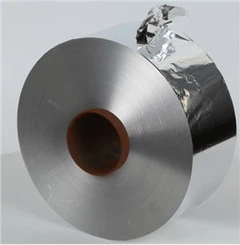


When it comes to the world of aluminum products, the 3003 aluminum strip is a popular choice for a wide range of applications. As a supplier of 3003 aluminum strip, I often get asked about its tensile strength. In this blog post, I'll delve into what tensile strength is, the tensile strength of 3003 aluminum strip, and why it matters in various industries.
Understanding Tensile Strength
Tensile strength is a fundamental mechanical property of materials, including metals like aluminum. It refers to the maximum amount of tensile (pulling) stress that a material can withstand before it breaks or fails. In simpler terms, it's a measure of how much pulling force a material can handle without tearing apart. Tensile strength is typically expressed in units of force per unit area, such as pounds per square inch (psi) or megapascals (MPa).


Tensile Strength of 3003 Aluminum Strip
The 3003 aluminum alloy is a non - heat - treatable alloy that contains manganese as the primary alloying element. This alloy is known for its good formability, corrosion resistance, and moderate strength. The tensile strength of 3003 aluminum strip can vary depending on several factors, including the temper of the material.
- O Temper (Annealed): In the O temper, which is the fully annealed state, 3003 aluminum strip has a relatively low tensile strength. The typical tensile strength for 3003 - O aluminum strip ranges from about 100 - 140 MPa (14,500 - 20,300 psi). This temper is characterized by high ductility, which means the material can be easily formed into various shapes without cracking. It is often used in applications where extensive forming operations are required, such as in the manufacturing of beverage cans or decorative items.
- H12, H14, H16, H18 Tempers: These are strain - hardened tempers. As the number after the H increases, the degree of cold work (strain hardening) also increases, resulting in higher tensile strength. For example, 3003 - H14 aluminum strip typically has a tensile strength in the range of 180 - 220 MPa (26,100 - 31,900 psi). The H18 temper, which represents the highest degree of cold work in this series, can have a tensile strength of around 240 - 260 MPa (34,800 - 37,700 psi). These tempers are used in applications where higher strength is required, such as in the construction of automotive parts or structural components.
Importance of Tensile Strength in Different Applications
The tensile strength of 3003 aluminum strip plays a crucial role in determining its suitability for various applications. Here are some examples:
- Automotive Industry: In the automotive sector, 3003 aluminum strip is used in the manufacturing of car license plates. The strip needs to have sufficient tensile strength to withstand the rigors of daily use, including exposure to various weather conditions and potential impacts. Aluminum Strip for Cars Licence Plates with appropriate tensile strength ensures that the license plates remain intact and legible over time.
- Packaging Industry: For packaging applications, such as the production of food and beverage containers, the 3003 - O temper aluminum strip is commonly used. Its relatively low tensile strength combined with high ductility allows for easy forming into cans and other packaging shapes. The ability to withstand the internal pressure of the contents without rupturing is also related to the tensile strength of the material.
- Construction Industry: In construction, 3003 aluminum strip can be used for various purposes, such as trim work or as a component in roofing systems. Higher - strength tempers like H14 or H18 are preferred in these applications to ensure that the strip can support its own weight and any external loads without deforming or breaking.
Factors Affecting Tensile Strength
Apart from the temper, several other factors can affect the tensile strength of 3003 aluminum strip:
- Alloy Composition: While 3003 is a well - defined alloy, small variations in the composition of manganese and other trace elements can have an impact on the tensile strength. Even a slight deviation from the standard composition can lead to differences in the mechanical properties of the material.
- Manufacturing Process: The way the aluminum strip is manufactured, including the rolling process and any subsequent heat treatments, can influence its tensile strength. For example, improper rolling can result in non - uniform grain structure, which may reduce the overall strength of the strip.
- Thickness: Generally, thicker 3003 aluminum strips tend to have higher tensile strength compared to thinner ones. This is because thicker strips have more material to resist the applied tensile forces.
Quality Control and Testing
As a supplier of 3003 aluminum strip, ensuring the quality and consistency of the tensile strength is of utmost importance. We conduct regular quality control tests to verify that the strip meets the required specifications. These tests typically involve using a tensile testing machine, which applies a gradually increasing pulling force to a sample of the aluminum strip until it breaks. The machine records the maximum force applied and calculates the tensile strength based on the cross - sectional area of the sample.
Choosing the Right 3003 Aluminum Strip
When selecting 3003 aluminum strip for a specific application, it's essential to consider the required tensile strength. If you need a strip for a highly formable application, an O temper may be the best choice. On the other hand, if you require a stronger material for structural or load - bearing applications, a strain - hardened temper like H14 or H18 would be more suitable. We offer a wide range of 3003 aluminum strip products, including 1 Inch Aluminum Strip, to meet the diverse needs of our customers.
Conclusion
The tensile strength of 3003 aluminum strip is a critical property that determines its performance in various applications. Whether you're in the automotive, packaging, or construction industry, understanding the tensile strength of the material is essential for making informed decisions. As a reliable supplier of 3003 aluminum strip, we are committed to providing high - quality products with consistent tensile strength. If you have any questions about our 3003 aluminum strip products or need assistance in choosing the right material for your application, please don't hesitate to contact us for a procurement discussion.
References
- Aluminum Association. Aluminum Standards and Data.
- ASM Handbook, Volume 2: Properties and Selection: Nonferrous Alloys and Special - Purpose Materials.