



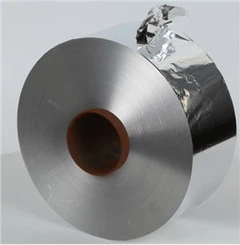


Hey there, fellow metal enthusiasts! As a supplier of Aluminum Plain Coils, I've seen firsthand the challenges and rewards of working with this versatile material. Today, I'm going to share some tips on how to weld aluminum plain coils effectively. Whether you're a seasoned pro or just starting out, these insights will help you achieve top-notch results.
Understanding Aluminum Plain Coils
Before we dive into the welding process, let's take a quick look at what aluminum plain coils are. These coils are made from high-quality aluminum and come in various thicknesses and widths. They're commonly used in a wide range of applications, from construction and automotive to aerospace and electronics.
One of the great things about aluminum plain coils is their lightweight yet durable nature. They offer excellent corrosion resistance, making them ideal for outdoor use. Plus, they're easy to work with and can be shaped and formed to suit your specific needs.
Preparing for Welding
Proper preparation is key to successful aluminum welding. Here are some steps you should take before you start welding:
Clean the Coils
Aluminum has a thin oxide layer on its surface, which can interfere with the welding process. To remove this layer, you'll need to clean the coils thoroughly. You can use a wire brush or a chemical cleaner specifically designed for aluminum. Make sure to clean both the surface of the coils and the area around the weld joint.
Choose the Right Welding Method
There are several welding methods available for aluminum, including TIG (Tungsten Inert Gas) welding, MIG (Metal Inert Gas) welding, and stick welding. Each method has its own advantages and disadvantages, so it's important to choose the one that's best suited for your project.
TIG welding is often considered the best method for welding aluminum because it provides precise control and produces high-quality welds. MIG welding is faster and easier to learn, but it may not be as precise as TIG welding. Stick welding is less commonly used for aluminum, but it can be a good option for thicker materials.
Select the Right Filler Metal
The filler metal you choose will depend on the type of aluminum you're welding and the welding method you're using. For most aluminum welding applications, a filler metal with a similar composition to the base metal is recommended. You can consult with a welding supplier or refer to the manufacturer's specifications to determine the best filler metal for your project.
Set Up Your Welding Equipment
Make sure your welding equipment is properly set up and calibrated before you start welding. This includes adjusting the welding current, voltage, and wire feed speed. You'll also need to select the appropriate shielding gas, which is typically argon or a mixture of argon and helium.
Welding Aluminum Plain Coils
Once you've prepared your coils and equipment, it's time to start welding. Here are some tips to help you achieve a successful weld:
Use the Right Technique
When welding aluminum, it's important to use the right technique to ensure a strong and durable weld. For TIG welding, use a steady hand and a consistent travel speed. Keep the arc length short and maintain a consistent distance between the tungsten electrode and the workpiece. For MIG welding, use a push technique and keep the wire feed speed consistent.
Control the Heat
Aluminum has a high thermal conductivity, which means it can dissipate heat quickly. This can make it difficult to maintain a consistent temperature during the welding process. To control the heat, you can use a heat sink or a cooling block. You can also adjust the welding current and voltage to ensure that the weld is not too hot or too cold.
Avoid Contamination
Contamination can cause defects in the weld, such as porosity or cracking. To avoid contamination, make sure the welding area is clean and free of dirt, oil, and other contaminants. You can also use a shielding gas to protect the weld from the atmosphere.
Practice and Experiment
Welding aluminum takes practice and patience. Don't be afraid to experiment with different techniques and settings to find what works best for you. You can also practice on scrap pieces of aluminum before you start working on your actual project.
Post-Weld Treatment
After you've completed the weld, it's important to perform some post-weld treatment to ensure the integrity of the weld. Here are some steps you can take:
Clean the Weld
Use a wire brush or a chemical cleaner to remove any slag or debris from the weld. This will help to prevent corrosion and improve the appearance of the weld.
Inspect the Weld
Inspect the weld for any defects, such as cracks, porosity, or incomplete fusion. If you find any defects, you may need to re-weld the area or take other corrective measures.
Heat Treat the Weld
Depending on the application, you may need to heat treat the weld to improve its strength and durability. This can involve annealing, quenching, or tempering the weld.


Conclusion
Welding aluminum plain coils can be a challenging but rewarding process. By following these tips and techniques, you can achieve high-quality welds that are strong, durable, and aesthetically pleasing. Remember to always wear the appropriate safety gear and follow the manufacturer's instructions when using welding equipment.
If you're interested in purchasing Aluminum Plain Coils or have any questions about welding, please feel free to contact us. We'd be happy to help you find the right products and solutions for your needs.
References
- "Aluminum Welding Handbook" by The American Welding Society
- "Welding Aluminum: A Practical Guide" by James F. Lincoln Arc Welding Foundation
- "Aluminum Alloys: Structure and Properties" by John E. Hatch
And if you're looking for specific products, check out our Mill Finish Aluminum Coil Ceiling Panel, 1100 Aluminum Coil, and Coated Aluminum Coil for Aluminium Composite Panel. These products are great options for a variety of applications and are sure to meet your needs. So don't hesitate to reach out and start your next project with confidence!