



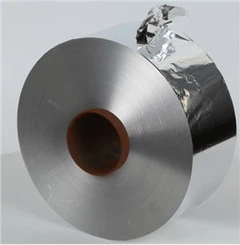


Hey there! As a supplier of 6063 Aluminum Profile, I've seen firsthand how important it is to know how to weld this stuff properly. 6063 aluminum profile is super popular in a bunch of industries, from construction to automotive. It's got great corrosion resistance, is easy to work with, and has a nice finish. But welding it? Well, that's a bit of a tricky business. So, let's dive into the nitty - gritty of how to weld 6063 aluminum profile.
Understanding 6063 Aluminum Profile
First off, let's talk about what makes 6063 aluminum profile special. This alloy is mainly made up of aluminum, with small amounts of magnesium and silicon. These elements give it its strength and formability. It's often used for window frames, door frames, and other architectural applications because it can be extruded into all sorts of shapes easily.
But when you're looking to weld it, you need to understand its properties. 6063 aluminum has a relatively low melting point, which means it can warp or distort if you're not careful. Also, it forms a tough oxide layer on the surface when exposed to air, which can mess up the welding process.
Pre - Welding Preparation
Cleaning
Cleaning is crucial. That oxide layer I mentioned? You've got to get rid of it. Use a stainless - steel wire brush to scrub the areas you're going to weld. Make sure you're using a brush that's only for aluminum, because using one that's been used on other metals can contaminate the aluminum. After brushing, wipe the area with a clean, lint - free cloth soaked in a suitable solvent like acetone. This will remove any grease, oil, or other contaminants.
Fit - Up
Proper fit - up is key. You want the pieces of 6063 aluminum profile to fit together as snugly as possible. Any gaps can lead to weak welds or porosity. Use clamps to hold the pieces in place, and make sure they're aligned correctly. If you're welding a complex shape, you might want to use a jig to keep everything in position.
Selecting the Right Filler Metal
Choosing the right filler metal is super important. For 6063 aluminum, a 4043 or 5356 filler metal usually works well. The 4043 filler has a lower melting point and is more fluid, which can be great for welding thin sections. The 5356 filler has higher strength and is better for applications where the weld needs to withstand more stress.
Welding Processes
Gas Tungsten Arc Welding (GTAW)
GTAW, also known as TIG (Tungsten Inert Gas) welding, is a popular choice for welding 6063 aluminum profile. It gives you a lot of control over the welding process, which is great for getting high - quality welds.
Here's how it works: You've got a non - consumable tungsten electrode that creates an arc between it and the aluminum. The arc melts the base metal and the filler metal (if you're using it). You also use an inert gas, usually argon, to protect the weld from oxidation.


When using GTAW to weld 6063 aluminum, you need to set the right parameters. The amperage depends on the thickness of the aluminum. For thin sections, you can use lower amperage, while thicker sections need higher amperage. The welding speed also matters. If you go too fast, the weld might not be strong enough, and if you go too slow, you can overheat the aluminum and cause distortion.
Gas Metal Arc Welding (GMAW)
GMAW, or MIG (Metal Inert Gas) welding, is another option. It's faster than GTAW, which can be an advantage if you're doing a lot of welding.
In GMAW, a continuous wire electrode is fed through a welding gun. The arc is formed between the wire and the aluminum, melting both the wire and the base metal. Like GTAW, you use an inert gas, usually a mix of argon and carbon dioxide, to protect the weld.
However, GMAW can be a bit more challenging to use on 6063 aluminum because it can be harder to control the heat input. You need to be careful not to overheat the aluminum, which can lead to problems like porosity and cracking.
Post - Welding Treatment
Cleaning the Weld
After you've finished welding, you need to clean the weld. Use a wire brush to remove any slag or spatter. Then, wipe the area with a clean cloth and a suitable solvent. This will not only make the weld look better but also help prevent corrosion.
Heat Treatment
Depending on the application, you might need to heat - treat the welded 6063 aluminum profile. Heat treatment can improve the strength and hardness of the weld. There are different types of heat treatment, like annealing and aging. Annealing involves heating the aluminum to a specific temperature and then cooling it slowly, which can relieve stress in the weld. Aging involves heating the aluminum to a lower temperature for a longer period, which can increase its strength.
Troubleshooting Common Welding Problems
Porosity
Porosity is a common problem when welding 6063 aluminum. It looks like small holes in the weld. This can be caused by a few things, like improper gas shielding, dirty base metal, or incorrect welding parameters. To fix it, make sure you're using the right gas flow rate, clean the base metal thoroughly, and adjust the welding parameters if necessary.
Cracking
Cracking can occur in the weld or in the heat - affected zone. This can be due to high stress in the weld, improper filler metal selection, or rapid cooling. To prevent cracking, use the right filler metal, control the heat input, and allow the weld to cool slowly.
Distortion
Distortion happens when the aluminum warps or bends during welding. This is because of the heat input. To minimize distortion, use proper clamping, weld in short sections, and alternate the direction of the weld.
Conclusion
Welding 6063 aluminum profile isn't the easiest thing in the world, but with the right preparation, the right welding process, and a bit of practice, you can get great results. Remember, clean the aluminum properly, choose the right filler metal, and control the heat input. And don't forget about post - welding treatment to ensure the strength and durability of the weld.
If you're in the market for high - quality 6063 aluminum profile, we're here to help. We've got a wide range of profiles to meet your needs. Whether you're working on a small DIY project or a large - scale industrial application, we can provide you with the materials you need. If you're interested in purchasing our 6063 aluminum profile or have any questions about welding it, feel free to contact us to start a procurement discussion.
References
- ASM Handbook, Volume 6: Welding, Brazing, and Soldering
- Aluminum Association Technical Papers on 6xxx Series Alloys