



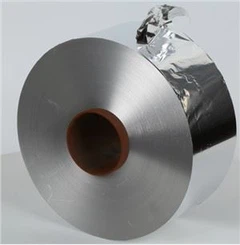


Aluminum Coil
Unlike flat sheets, a coil is a coiled piece of aluminum material. The core is a hollow cylinder on which the coiled material is wound, thereby forming the interior diameter of the coil itself. Depending on the application, coils can be heat treated, non-heat treated, diamond coated or tread, or pre-painted.
Company Profile
Qinghai Shuanglin Jiate Metal Technology Co., Ltd. was established in September 1997, Zhejiang Shuanglin Jiate Metal Technology is professional Chinese aluminum sheet, aluminum strip,aluminum foil,aluminum circle,aluminum plate ,aluminum coil ,aluminum discs and aluminum tube manufacturer .Bearing producing first-class quality aluminium products as our task, having good faith as our belief, offering high efficiency service as our standard, we Jiate Metal will always keep on servicing for worldwide clients.
We have mills as continue cast,hot rolling,cold roJinding Aluminium Industry Group includes aluminium research and development,design,manufacture and export trading, was contributived by Hongkong Jinding International Group. We own one hot rolling production line with width 2500mm, two cold rolling mill with width 1800mm, foil rough rolling mill with width 1650mm, foil finish rolling mill with 1600mm, 8x20T annealed, tension leveled machine, cut machine and clean equipment. Our main products include aluminium sheet,aluminum coil,aluminum strip,aluminium foil and related coating process, aluminium profile for industry, aluminium strip for cable and water pipe, fin stock, decorate foil, aluminium circle for cookware. We have two large-scale rolling mills with width 2500mm and related machines. We adopt international advanced technique produce aluminium products, which can ensure our quality.
Why choose us?
High quality
Our products are manufactured or executed to very high standards, using the finest materials and manufacturing processes.
Long warranty
The long-term warranty is designed to give consumers more confidence that their purchases and services will continue to be valid.
Professional team
Our professional team collaborate and communicate effectively with one another, and are committed to delivering high-quality results. They are capable of handling complex challenges and projects that require their specialized expertise and experience.
Rich experience
Dedicated to strict quality control and attentive customer service, our experienced staff is always available to discuss your requirements and ensure complete customer satisfaction.
-
![1050 Aluminum Coil]() 1050 Aluminum Coil1050 Aluminum Coil is a highly versatile and widely used aluminum alloy product, belonging to the 1000 series. This alloy is characterized by its high purity, excellent processing properties, and...read more
-
![5052 Aluminum Coil]() 5052 Aluminum Coil5052 Aluminum Coil is a widely used aluminum alloy product belonging to the 5000 series. It is primarily an aluminum-magnesium alloy, with magnesium being the main alloying element, typically...read more
-
![1060 Aluminum Coil]() 1060 Aluminum CoilThe 1060 aluminum coil is a high-purity, versatile alloy with an aluminum content of over 99.6%, making it one of the purest grades available. Known for its excellent corrosion resistance, high...read more
-
![1100 Aluminum Coil]() 1100 Aluminum Coil1100 Aluminum Coil is a type of aluminum product belonging to the 1000 series, commonly referred to as commercial pure aluminum. This coil is highly valued for its unique properties and...read more
-
![3003 Aluminum Coil]() 3003 Aluminum Coil3003 aluminum coil is the most widely used aluminum alloy. It is composed of aluminum, copper, iron, manganese, silicon and zinc. It is widely used due to its strong corrosion resistance and...read more
-
![6061 Aluminum Coil for Building]()
-
![Anodized Embossed Aluminum Coils]()
-
![Coated Aluminum Coil]() Coated Aluminum CoilCoated Aluminum Coil, also known as Coated Aluminum Sheet in roll form, is a versatile material that has undergone surface treatment to enhance its performance and aesthetics. This material is...read more
-
![Mill Finish Aluminum Coil Ceiling Panel]() Mill Finish Aluminum Coil Ceiling PanelAlloy: 1050 1060 1100 1070 3003 Temper: H14 H24 H16 H26 Oread more
-
![5182 Aluminum Coil]()
-
![Aluminum Plain Coils]() Aluminum Plain CoilsAlloy:1050/1060/1100/1200/3003/3004/3005/3105/5005/5052/5754/5083//6061/8011 Temper:O,H12,H14,H16,H18 H24,H32,H112 mill finishread more
-
![Rectangular Polished Aluminum Plain Coil]() Rectangular Polished Aluminum Plain CoilAlloy: 1050 1060 1100 1070 3003 3105 5052 5754 Temper: H14 H24 O H16 H26 H18read more


Aluminum coil parameters
Aluminum alloy: 1000, 2000, 3000, 4000, 5000, 6000, 7000, 8000 series, etc.
Aluminum status: O - H112, T3 - T8, T351 - T851, etc.
Thickness: 0.3mm-6mm
Width: 900mm - 1600mm
According to alloy type, it can be divided into
1000 series metal pure aluminum coil
2000 series alloy metal aluminum coil
3000 series alloy metal aluminum coil
4000 series alloy metal aluminum coil
5000 series alloy metal aluminum coil
6000 series alloy metal aluminum coil
7000 series alloy metal aluminum coil
8000 series alloy metal aluminum coil
According to the surface treatment method, it can be divided into
Colored aluminum coil
Embossed aluminum coil
Mirror aluminum coil
Anodized aluminum coil
Aluminum coils (aluminum coils) are metal products that are subjected to flying shear after being rolled, cast, and bent in a casting and rolling mill. Aluminum is about one-third as dense as copper or steel and has the advantage of being malleable and malleable, ultimately allowing aluminum to be easily machined and cast into aluminum coils or sheets. Add to this its consistent strength, weight and value, and it’s easy to see why aluminum remains a popular metal used to meet any precise need across a wide range of industries.
Aluminum coil specifications:
Aluminum coil is a rolled product produced in the form of coils of continuous strip having an ID (inner diameter) and an OD (outer diameter). Ordinary alloy coils have a variety of applications, alloys 1050, 1060, 3003, 3105, 3005, 5052, 5754, 5083, 6061, 8011, 8021, etc., with thicknesses from 0.2-100mm and widths from 100-2600mm.
Hot selling aluminum coils:
1050 aluminum coil:
1050 aluminum alloy is a series of products. 1050 aluminum coil has the characteristics of high plasticity, corrosion resistance, good electrical conductivity and thermal conductivity. However, 1050 aluminum coils have lower mechanical strength than more obvious alloy metals. All of these properties make 1050 aluminum coils ideal for chemical and electrolytic brightening, but not for casting. Last but not least, moderate strength and good anodizing quality make our products suitable for a wide range of applications.
1060 aluminum coil:
1060 aluminum plate coil is an industrial aluminum plate with an aluminum content (mass fraction) of 99.60% and does not require heat treatment to strengthen. 1060 aluminum coil has good corrosion resistance, but poor machinability, and its machinability can be improved in harder (cold working) states, such as H16 and H18. Due to its above characteristics, 1060 aluminum coil has a wide range of uses, such as electric power, chemical equipment, railway tank cars, etc.
3003 aluminum coil:
3003 aluminum coil is the most widely used aluminum alloy. It is composed of aluminum, copper, iron, manganese, silicon and zinc. It is widely used due to its strong corrosion resistance and moderate strength. 3003 aluminum coil is 20% stronger than 1100 grade alloy because it is fused with manganese.
3105 aluminum coil:
3105 aluminum coil, containing 98% pure aluminum with a small amount of alloy added for strength. If 0.3% copper is added to 3105 aluminum coil, the conductivity will be 41%. In terms of its composition and processing technology, 3105 aluminum coils are lightweight and have a semi-smooth surface.
5052 aluminum coil:
5052 aluminum coil is an alloy composed of 2.5% magnesium and 0.25% chromium. It is considered to have good workability and weldability. Has moderate static and high fatigue strength. This aluminum is very resistant to corrosion, especially in marine environments.
5754 aluminum coil:
5754 aluminum coil has the lowest alloy content (highest percentage of aluminum), but only in small amounts. As a deformed alloy, it can be formed by rolling, extruding and forging, but cannot be cast. 5754 aluminum has excellent corrosion resistance, especially to seawater and industrially polluted atmospheres.
Aluminum coil application:
Our aluminum coils are available in alloys ranging from 1000 to 8000 series and we stock a full range of aluminum coils to service a wide range of industries including automotive, pharmaceutical, electrical and food service. It is worth noting that choosing the right alloy for aluminum coils depends directly on the specific use case. Before purchasing any aluminum coil, it is crucial to understand the specific strains the material will face during use. Properties to note include:
Tensile strength
Wettability
Weldability
Formability
Corrosion resistance
QINGHAI SHUANGLIN JIATE METAL TECHNOLOGY CO., LTD. As a professional manufacturer and supplier of aluminum coils in China, we also provide slit aluminum coils, anodized aluminum plates, 5-rib aluminum pattern plates, aluminum strips, aluminum plates, diamond-shaped aluminum pattern plates, etc. . Whenever you need any of our products, please feel free to contact us at hzjd02@jdaluminum.com.

Aluminium coil is an incredibly versatile material with various uses in both commercial and industrial settings. It’s lightweight yet strong, making it perfect for trim, fascia, flashing and more applications. The aluminium coil can also create beautiful decorative elements or line ductwork for improved insulation quality.
Aluminium coil is also commonly used in the automotive industry for its corrosion-resistant qualities & ability to withstand heat and extreme weather conditions. Its low cost and flexibility make aluminium coil one of the most popular construction materials on the market today.
Benefits of Aluminum Coil
Lightweight
One huge advantage of using aluminum is that it is lightweight. Compared to brass, copper, steel, and iron, aluminum weights roughly one-third less. Because of this, extrusions are more cost- efficient, easier to handle, and ultimately, more attractive.
Strong
Products made from aluminum coil are also extremely strong. Even though this material is lightweight, it can withstand a lot of force for most applications. Based on the process of extrusion, it is possible to make the strength of aluminum coi concentrated. As an example, the thickness of walls can be adjusted and within the profile design internal reinforcement can be applied. Although aluminum coil works great for multiple products, it is superior for cold weather applications since the colder the temperature the stronger it becomes.
Resilient
Aluminum coil is also a highly resilient material. The unique combination of flexibility and strength allows this material to spring back from impact and flex under heavy loads. This is the primary reason that extruded components from aluminum coil are used in systems for automotive crash management.
Corrosion resistant
Products extruded with aluminum coil are also resistant to corrosion. These products will never rust and because of a naturally occurring oxide file, the surface is protected.
Electrical conductor
When looking at aluminum coil on a pound-for-pound bases, it is 50%/ more conductive than copper. Because of this, making an extrusion is a more affordable option used for electrical connectors.
Types of Aluminum Coil
1000 series aluminum coil
According to the worldwide brand name principle, a product must contain 99.5% or more aluminum to be approved as 1000 series aluminum, which is considered commercially pure aluminum. Despite not being heat-treatable, aluminum from the 1000 series has outstanding workability, excellent corrosion resistance, and high electrical and thermal conductivity. It can be welded, but only with specific precautions. Heating this aluminum does not alter its look. When welding this aluminum, it is significantly more difficult to distinguish between cold and hot material. 1050, 1100, and 1060 series make up most of the products on the market because they are the most pure. Typically, 1050, 1100 and 1060 aluminum is used to create cookware, curtain wall plates, and decorating elements for buildings.
2000 series aluminum coil
Copper is added to the 2000 series aluminum coil, which then undergoes precipitation hardening to achieve steel-like strengths. The usual copper content of 2000 series aluminum coils ranges from 2% to 10%, with minor additions of other elements. It is extensively used in the aviation sector to make airplanes. This grade is employed here because of its availability and lightness.
3000 series aluminum coil
Manganese is rarely used as a principal alloying element and is only normally added to aluminum in small amounts. However, manganese is the primary alloying element in 3000 series aluminum alloys, and this series of aluminum is often non-heat treatable. As a result, this series of aluminum is more brittle than pure aluminum while being well-formed and resistant to corrosion. These alloys are good for welding and anodizing but cannot be heated. The alloys 3003 and 3004 make up most of the 3000 series aluminum coil. These two aluminums are used due to their strength, exceptional corrosion resistance, outstanding formability, good workability, and good “drawing” properties that make sheet metal forming processes easier. They have a wide range of applications. Beverage cans, chemical apparatus, hardware, storage containers, and lamp bases are some of the applications of 3003 and 3004 grades.
4000 series aluminum coil
The alloys of the 4000 series aluminum coil have fairly-high silicon concentrations and are not frequently utilized for extrusion. Instead, they are used for sheets, forgings, welding, and brazing. Aluminum's melting temperature is lowered, and its flexibility is raised by the addition of silicon. Due to these qualities, it is the ideal alloy for die casting.
5000 series aluminum coil
The distinguishing features of 5000 series aluminum coil are its smooth surface and exceptional deep-drawability. This alloy series is a popular option for various applications because it is significantly harder than other aluminum sheets. It is the perfect material for heat sinks and equipment casings due to its strength and fluidity. Furthermore, its excellent corrosion resistance is ideal for mobile homes, residential wall panels, and other applications. Aluminum magnesium alloys include 5052, 5005, and 5A05. These alloys are low in density and have strong tensile strength. As a result, they are found in many industrial applications and have a wide range of uses.
5754 aluminum coil
Aluminum alloy 5754 principally contains magnesium and chromium. It cannot be created using casting methods; rolling, extrusion, and forging may be used to create it. Aluminum 5754 exhibits excellent corrosion resistance, particularly in the presence of seawater and industrially polluted air. Body panels and interior components for the automotive industry are typical usages. Additionally, it can be applied to flooring, shipbuilding, and food processing applications.
6000 series aluminum coil
6000 series aluminum alloy coil is represented by 6061, which is mostly composed of silicon and magnesium atoms. 6061 aluminum coil is a cold-treated aluminum forging product which is appropriate for applications needing a high oxidation and corrosion resistance level. It possesses great interface properties, facile coating, and good workability, in addition to good serviceability. It can be applied to aircraft joints and low-pressure armaments. It can counteract the negative effects of iron due to its particular content of manganese and chromium. Occasionally, a small amount of copper or zinc is added to boost the alloy's strength without considerably lowering its corrosion resistance. Excellent interface properties, ease of coating, high strength, outstanding serviceability, and strong corrosion resistance are among the general qualities of 6000 aluminum coils.
7000 series aluminum coil
For aeronautical applications, 7000 series aluminum coil is very beneficial. Thanks to its low melting point and great corrosion resistance, it works well with applications requiring these traits. However, there are some significant distinctions between these various aluminum coil types. Al-Zn-Mg-Cu series alloys make up the majority of the 7000 series aluminum alloys.
7075 series aluminum coil
Zinc serves as the main alloying ingredient in the 7075 aluminum alloy. It demonstrates exceptional ductility, high strength, toughness, and good resistance to fatigue in addition to having outstanding mechanical qualities.
8000 series aluminum alloy coil
Another of the many models of aluminum coil is the 8000 series. Mostly lithium and tin make up the mix of alloys in this series of aluminum. Adding other metals can also be added to effectively increase the stiffness of the aluminum coil and improve the metal properties of the 8000 series aluminum coil.
Application of Aluminum Coil


The automotive sector
Aluminum coil is frequently utilized in the automotive sector. For example, aluminum coils are used to create the components used to build cars and trucks. This is because these vehicles need parts that are durable, strong but comparatively light, and resistant to corrosion. After all, these machines will be used frequently, be required to provide both occupant safety and maximum gas mileage, and be required to withstand the various weather conditions one may encounter when driving them. Therefore, engine parts, air conditioners, radiators, wheel hubs, automobile doors, and many more components of most vehicles are made using aluminum coil.
Protective covering for exposed wooden home trim
A trim coil is a thin sheet of aluminum normally coated with polyester and is used to cover exposed wood trim on your home. This trim coil safeguards the underlying wood by preventing heat and moisture from destroying the trim's wood fibers.
Architectural construction and decoration
Aluminum coil will frequently be used for architectural ornamentation due to its resistance to corrosion, strength, and exceptional processing and welding performance. In addition, most construction projects use an aluminum coil to create structures, doors, windows, ceilings, curtain wall profiles, pressure plates, color coating sheets, etc., and surface decoration.
Components for electronic appliances
Although aluminum is not as electrically conductive as some other metals, numerous electronics frequently use aluminum coils. Since aluminum's resistance to corrosion ensures that wires will last a long time in hostile conditions, it is frequently used in wiring. Because of this, items containing electrical components, such as power cables and air conditioners, can endure the elements for a long time. Because of its corrosion resistance, most electronics can expect to have a reasonably long lifespan in general.
Food containers
Aluminum's malleability, resistance to rust, and corrosion make it the material of choice for food cans. Aluminum is malleable, making it possible to produce cans in large quantities with no difficulty. In addition, aluminum can ensure that the food inside can stay fresh for a long time due to its resistance to rust and corrosion. In addition to cans, aluminum coils are used to make other containers like metal bottles, and their lid caps.
Melting and casting
The first step in the production of an aluminum coil is the melting of aluminum ingots in a furnace. The furnace is heated to high temperatures to melt the aluminum, which is then poured into a casting machine. The casting machine produces long, flat strips of aluminum called slabs. The slabs are then passed through a series of rolling mills, where they are reduced in thickness and lengthened in width. The rolling process may be repeated several times until the desired thickness is achieved.
Rolling
The rolling mills used in aluminum coil products are typically cold rolling mills, which means that they operate at room temperature. These mills use a series of rollers to reduce the thickness of the slabs and increase their length. Each successive roller is set at a slightly lower height than the previous one, which causes the slab to be gradually stretched out.
Annealing
Once the rolling process is complete, the aluminum coil is annealed to remove any internal stresses and improve its ductility. The coil is heated to a specific temperature and then cooled slowly. Annealing can be done using different methods, including batch annealing and continuous annealing. Batch annealing involves heating a large number of coils in a batch, while continuous annealing involves heating the coil as it is being produced.
Aluminum coil coatings
After annealing, the aluminum coil is trimmed to the desired size and shape. Any defects or impurities are removed, and the coil may be coated or painted to improve its appearance and protect it from corrosion. There are several types of coatings and paints that can be applied to aluminum coils, including polyester, polyurethane, and fluorocarbon.
Coiling and packaging
Once the finishing process is complete, the aluminum coil is coiled and packaged for shipping to customers. The coiling process involves wrapping the coil around a large spool, which allows it to be transported easily. The packaging process involves protecting the coil from damage during shipping, typically by wrapping it in plastic or paper.
How to Maintain Aluminum Coil
The maintenance requirements for aluminum coils primarily involve regular cleaning and inspection to ensure optimal performance and longevity. It is recommended to clean the coils at least once a year, or more frequently in areas with high pollution or corrosive environments. This can be done by using a mild detergent or coil cleaner and a soft brush or cloth to remove any dirt, dust, or debris that may have accumulated on the surface of the coils. Additionally, it is important to inspect the coils regularly for any signs of damage, corrosion, or leakage. Any bent fins, dents, or corrosion should be addressed promptly to prevent further damage and maintain the efficiency of the coils. If there are any signs of leakage, it is crucial to have a professional technician inspect and repair the coils to avoid any potential refrigerant leaks. Moreover, it is advisable to keep the area around the coils clean and clear of any obstructions that may obstruct airflow, such as leaves, plants, or debris. This will ensure proper airflow and prevent the coils from overworking, which can lead to inefficiency and potential damage. In conclusion, the maintenance requirements for aluminum coils involve regular cleaning, inspection for damage, corrosion, or leakage, and maintaining a clear and clean surrounding area for optimal performance and longevity. Following these maintenance practices will help ensure the efficient functioning of the aluminum coils and extend their lifespan.
Certifications

Our Factory
Our main products include aluminium sheet,aluminum coil,aluminum strip,aluminium foil and related coating process, aluminium profile for industry, aluminium strip for cable and water pipe, fin stock, decorate foil, aluminium circle for cookware. We have two large-scale rolling mills with width 2500mm and related machines. We adopt international advanced technique produce aluminium products, which can ensure our quality.


FAQ
We're well-known as one of the leading aluminum coil manufacturers and suppliers in China. Our factory offers high quality aluminum coil made in China with competitive price. Welcome to contact us for wholesale service.