



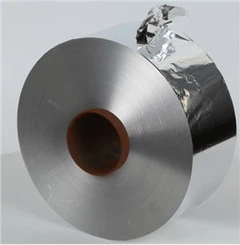


Compatibility issues between pharmaceutical foil and drugs are of utmost importance in the pharmaceutical industry. As a pharmaceutical foil supplier, I have witnessed firsthand the significance of ensuring the right match between the packaging material and the drugs it contains. In this blog, I will delve into the various compatibility issues that can arise and their implications for drug quality and safety.
Chemical Compatibility
One of the primary concerns when it comes to pharmaceutical foil and drugs is chemical compatibility. Different drugs have unique chemical compositions, and these can interact with the materials used in the foil packaging. For example, some drugs may be acidic or alkaline, and if the foil is not resistant to such chemical environments, it can lead to corrosion or degradation of the foil.
Aluminum is a commonly used material for pharmaceutical foils due to its excellent barrier properties and relatively good chemical resistance. However, certain drugs may still react with aluminum under specific conditions. For instance, drugs containing high levels of moisture or certain active ingredients can cause the aluminum to corrode over time. This corrosion can not only compromise the integrity of the foil but also contaminate the drug.
To address these chemical compatibility issues, pharmaceutical foil suppliers often treat the foil with special coatings. These coatings act as a barrier between the drug and the foil, preventing direct contact and reducing the risk of chemical reactions. For example, a lacquer coating can be applied to the aluminum foil to protect it from acidic or alkaline drugs. This helps to maintain the stability and quality of the drug throughout its shelf life.
Physical Compatibility
In addition to chemical compatibility, physical compatibility is also crucial. The physical properties of the pharmaceutical foil, such as its flexibility, strength, and thickness, need to be carefully considered to ensure that it can properly contain and protect the drug.
For instance, if the foil is too thin, it may not provide sufficient protection against external factors such as moisture, oxygen, and light. This can lead to the degradation of the drug and a decrease in its efficacy. On the other hand, if the foil is too thick, it may be difficult to form into the desired shape for packaging, and it can also increase the cost of production.
Another aspect of physical compatibility is the ability of the foil to adhere to the packaging components. In blister packaging, for example, the foil needs to seal tightly to the plastic blister to prevent leakage and contamination. If the adhesion is not strong enough, it can result in the loss of the drug or the entry of microorganisms.
As a pharmaceutical foil supplier, we offer a range of foils with different physical properties to meet the specific requirements of our customers. Our Blister Cover Foil Made Of Aluminium is designed to provide excellent barrier protection and a strong seal, ensuring the integrity of the drug.
Compatibility with Drug Formulations
The compatibility of pharmaceutical foil also depends on the type of drug formulation. Different drug forms, such as tablets, capsules, and liquids, have different characteristics and requirements for packaging.
Tablets and capsules are solid dosage forms that are generally more stable compared to liquid formulations. However, they can still be affected by environmental factors such as moisture and oxygen. Pharmaceutical foils with high barrier properties are often used to protect these solid dosage forms. Our Pill Packing Pharmaceutical Foil is specifically designed for the packaging of tablets and capsules, providing a reliable barrier against moisture and oxygen.
Liquid formulations, on the other hand, are more prone to leakage and evaporation. They also require a packaging material that is resistant to the solvents and additives used in the formulation. Specialized foils with additional layers or coatings may be used to ensure the compatibility of the foil with liquid drugs. Our Pharmaceutical Packing Foil can be customized to meet the specific needs of liquid drug packaging.
Impact on Drug Quality and Safety
The compatibility issues between pharmaceutical foil and drugs can have a significant impact on drug quality and safety. If the foil is not compatible with the drug, it can lead to a variety of problems, including:
- Drug degradation: Chemical reactions between the foil and the drug can cause the drug to degrade, reducing its efficacy and potentially increasing the risk of side effects.
- Contamination: Corrosion or degradation of the foil can release particles or chemicals into the drug, leading to contamination. This can pose a serious health risk to patients.
- Leakage: Poor physical compatibility can result in the leakage of the drug from the packaging, leading to a loss of product and potential environmental hazards.
To ensure the quality and safety of drugs, pharmaceutical companies and regulatory authorities place strict requirements on the compatibility of pharmaceutical foil and drugs. These requirements include testing the foil for chemical and physical compatibility with the drug, as well as ensuring that the packaging meets certain standards for barrier properties and seal integrity.
Importance of Choosing the Right Supplier
Given the critical role that pharmaceutical foil plays in drug packaging, it is essential to choose a reliable supplier. A reputable supplier will have the expertise and resources to provide high-quality foils that are compatible with a wide range of drugs.
At our company, we have a team of experienced professionals who are dedicated to ensuring the compatibility of our pharmaceutical foils with drugs. We use advanced testing methods and quality control measures to ensure that our foils meet the highest standards of quality and safety.
We also offer customized solutions to meet the specific needs of our customers. Whether you need a foil with special coatings or a specific physical property, we can work with you to develop the right solution.
If you are in the pharmaceutical industry and are looking for a reliable pharmaceutical foil supplier, we would be happy to discuss your requirements with you. Contact us today to learn more about our products and services and to start a conversation about how we can meet your packaging needs.


References
- European Pharmacopoeia. (2023). General chapter 3.2.1. Packaging materials for pharmaceutical use.
- United States Pharmacopeia. (2023). General chapter <661.1> Packaging components—Plastics.
- Rowe, R. C., Sheskey, P. J., & Quinn, M. E. (Eds.). (2018). Handbook of pharmaceutical excipients. Pharmaceutical Press.