



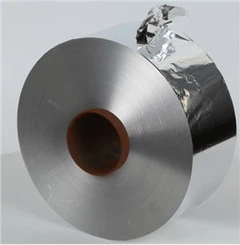


Ductility is a crucial mechanical property that significantly influences the performance and application range of materials. When it comes to aluminum sheet metal, understanding its ductility is essential for various industries, from construction to manufacturing. As a reputable Aluminum Sheet Metal supplier, we are committed to providing high - quality products and in - depth knowledge about the materials we offer.


What is Ductility?
Ductility is the ability of a material to deform plastically under tensile stress without fracturing. In simpler terms, it refers to how much a material can be stretched or drawn into a wire or a thinner sheet before it breaks. This property is measured by the percentage of elongation and reduction of area during a tensile test.
When a material has high ductility, it can be easily formed into different shapes, such as bending, rolling, or stamping, without cracking. This makes it highly suitable for applications where complex shapes are required. In contrast, materials with low ductility are more brittle and tend to fracture when subjected to significant deformation.
Ductility of Aluminum Sheet Metal
Aluminum is well - known for its excellent ductility. The atomic structure of aluminum allows for easy movement of atoms when a force is applied, which is the key to its high ductility. Aluminum sheet metal can be stretched, bent, and shaped into various forms, making it a popular choice in many industries.
The ductility of aluminum sheet metal is influenced by several factors:
- Alloy Composition: Different aluminum alloys have different levels of ductility. For example, the 1000 series of aluminum, which is nearly pure aluminum, has high ductility. The 1070 Aluminum Sheet for Construction is a prime example. It contains at least 99.7% aluminum, and its high purity contributes to its outstanding ductility, making it ideal for applications that require extensive forming.
- Grain Size: The size of the grains in the aluminum sheet metal affects its ductility. Smaller grain sizes generally result in higher ductility. During the manufacturing process, techniques such as heat treatment can be used to control the grain size and improve the ductility of the aluminum sheet.
- Temperature: Temperature has a significant impact on the ductility of aluminum sheet metal. At higher temperatures, the atoms in the aluminum have more energy and can move more freely. This increases the ductility of the material, allowing for easier forming. However, at very high temperatures, the strength of the aluminum may decrease.
Applications of Ductile Aluminum Sheet Metal
The high ductility of aluminum sheet metal makes it suitable for a wide range of applications:
- Construction: In the construction industry, Aluminum Sheet Metal is used for roofing, siding, and decorative elements. Its ductility allows it to be formed into complex shapes to meet the architectural requirements. For example, it can be bent into curves for domes or facades, providing both functionality and aesthetic appeal.
- Automotive: Aluminum sheet metal is increasingly being used in the automotive industry. Its ductility enables the production of body panels with complex shapes, which not only reduces the weight of the vehicle but also improves fuel efficiency. The ability to form the metal into different shapes also allows for better aerodynamics.
- Packaging: Thin Aluminum Sheet is commonly used in the packaging industry. Its ductility allows it to be easily formed into cans, foils, and other packaging materials. The thin sheets can be rolled, folded, and shaped to create various packaging designs.
Testing the Ductility of Aluminum Sheet Metal
To ensure the quality and performance of aluminum sheet metal, it is important to test its ductility. The most common method is the tensile test. In a tensile test, a sample of the aluminum sheet is placed in a testing machine, and a gradually increasing tensile force is applied until the sample breaks. The elongation and reduction of area of the sample are measured during the test.
The results of the tensile test provide valuable information about the ductility of the aluminum sheet metal. A high percentage of elongation and reduction of area indicates high ductility. These test results are crucial for quality control and for determining the suitability of the aluminum sheet for specific applications.
Maintaining Ductility in Aluminum Sheet Metal
As a supplier of Aluminum Sheet Metal, we understand the importance of maintaining the ductility of our products. During storage and transportation, it is important to protect the aluminum sheets from damage. Scratches and dents can reduce the ductility of the metal by creating stress concentration points.
Proper handling is also essential. When forming the aluminum sheets, the correct tools and techniques should be used to avoid over - stressing the material. Heat treatment can be used to improve the ductility of the aluminum sheet, but it should be carried out carefully to avoid negative effects on other properties of the metal.
Conclusion
The ductility of aluminum sheet metal is a key property that makes it a versatile and widely used material in many industries. Its ability to be formed into various shapes without fracturing allows for innovative designs and high - performance applications. As a supplier of Aluminum Sheet Metal, we are dedicated to providing products with excellent ductility and other desirable properties.
If you are interested in purchasing high - quality aluminum sheet metal, we invite you to contact us for further discussions. Our team of experts is ready to assist you in selecting the most suitable aluminum sheet for your specific needs. Whether you are in the construction, automotive, or packaging industry, we can provide you with the right solutions.
References
- Callister, W. D., & Rethwisch, D. G. (2018). Materials Science and Engineering: An Introduction. Wiley.
- ASM Handbook Committee. (2000). ASM Handbook, Volume 2: Properties and Selection: Nonferrous Alloys and Special - Purpose Materials. ASM International.