



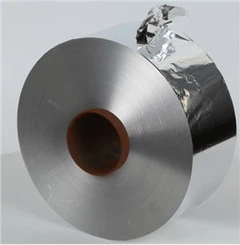


In the dynamic landscape of the cable industry, cable foil plays a pivotal role, often operating behind the scenes yet wielding significant influence over the performance and functionality of cables. As a dedicated cable foil supplier, I have witnessed firsthand the diverse applications and functions of cable foil, and I am excited to share insights into its multifaceted roles.
Electromagnetic Shielding
One of the primary functions of cable foil is electromagnetic shielding. In today's technology - driven world, electronic devices and cables are constantly surrounded by electromagnetic fields. These fields can interfere with the normal operation of cables, leading to signal degradation, data loss, and even equipment malfunctions. Cable foil, especially Cable Shielding Aluminum Foil, acts as a barrier against these electromagnetic interferences (EMI).
Aluminum foil is an excellent conductor of electricity. When wrapped around cables, it forms a conductive layer that redirects electromagnetic waves away from the cable's core. This shielding effect is crucial in applications where signal integrity is of utmost importance, such as in high - speed data transmission cables, telecommunications cables, and medical equipment cables. For example, in a data center, where thousands of cables are bundled together, the use of cable foil helps to prevent cross - talk between cables, ensuring that data is transmitted accurately and efficiently.
Insulation
Another vital function of cable foil is insulation. Insulation And Cable Wrap Aluminum Foil provides a physical and electrical barrier between the cable core and its surroundings. It helps to prevent electrical leakage, which can not only cause power loss but also pose a safety hazard.
The foil's insulating properties are particularly important in high - voltage cables. By reducing the risk of electrical arcing and short - circuits, cable foil enhances the overall safety and reliability of the cable system. Additionally, it can protect the cable from environmental factors such as moisture, dust, and chemicals, which can degrade the cable's performance over time.
Mechanical Protection
Cable foil also offers mechanical protection to cables. During installation and operation, cables are often subjected to various mechanical stresses, such as bending, pulling, and abrasion. The foil acts as a protective layer, reducing the risk of damage to the cable's internal components.
For instance, Aluminum Foil For Cable Wrapping can prevent the cable from being cut or punctured by sharp objects. It also helps to maintain the cable's shape and structure, ensuring that it can withstand the rigors of its environment. In outdoor applications, where cables are exposed to harsh weather conditions and physical impacts, the mechanical protection provided by cable foil is essential for the long - term durability of the cables.
Thermal Management
In some cases, cable foil can contribute to thermal management. Aluminum foil has good thermal conductivity, which means it can help to dissipate heat generated within the cable. This is particularly important in high - power cables, where excessive heat can reduce the cable's performance and lifespan.
By conducting heat away from the cable core, cable foil helps to maintain a stable operating temperature. This not only improves the efficiency of the cable but also reduces the risk of overheating, which can lead to insulation breakdown and other serious problems.
Cost - effectiveness
From a cost - effectiveness perspective, cable foil is an attractive option for cable manufacturers. It is relatively inexpensive compared to other shielding and insulating materials, while still providing high - performance protection. The use of cable foil can help to reduce the overall cost of cable production without sacrificing quality.
Moreover, the ease of installation of cable foil further adds to its cost - effectiveness. It can be easily wrapped around cables during the manufacturing process, reducing labor costs and production time.


Customization and Versatility
As a cable foil supplier, we understand that different applications have different requirements. That's why we offer a wide range of cable foils with various thicknesses, widths, and surface treatments. This allows cable manufacturers to choose the most suitable foil for their specific needs.
Whether it's a thin foil for flexible cables or a thick foil for high - voltage applications, we can provide customized solutions. Our cable foils can also be combined with other materials, such as polymers or adhesives, to enhance their performance and functionality.
Environmental Considerations
In today's environmentally conscious world, the environmental impact of materials is an important consideration. Aluminum foil is a highly recyclable material, which means it can be reused and repurposed, reducing waste and conserving natural resources.
By using cable foil, cable manufacturers can contribute to a more sustainable future. Additionally, the long - term durability of cable foil means that cables need to be replaced less frequently, further reducing the environmental footprint of the cable industry.
Conclusion
In conclusion, cable foil serves a multitude of functions in the cable industry. From electromagnetic shielding and insulation to mechanical protection and thermal management, it plays a crucial role in ensuring the performance, safety, and reliability of cables.
As a leading cable foil supplier, we are committed to providing high - quality cable foils that meet the diverse needs of our customers. Whether you are a cable manufacturer looking for innovative solutions or an end - user in need of reliable cables, we can offer the right cable foil for your application.
If you are interested in learning more about our cable foils or would like to discuss your specific requirements, we encourage you to reach out to us. Our team of experts is ready to assist you in finding the best cable foil solution for your project.
References
- "Electromagnetic Compatibility in Electronic Systems" by Clayton R. Paul
- "Cable Engineering Handbook" by John A. Sabella
- "Aluminum Foil: Properties and Applications" by various industry research reports