



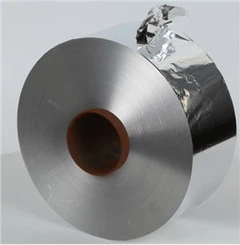


Aluminum coils are a versatile and widely used material in various industries, from construction to automotive manufacturing. As an aluminum coil supplier, I've witnessed firsthand the diverse applications and unique characteristics of different types of aluminum coils. In this blog post, I'll explore the differences between various types of aluminum coils, including their composition, properties, and applications.
Composition and Alloy Types
Aluminum coils are typically made from different aluminum alloys, each with its own unique chemical composition and properties. The most common alloy series used in aluminum coils include the 1xxx, 3xxx, 5xxx, and 6xxx series.
- 1xxx Series: This series consists of commercially pure aluminum, with a minimum aluminum content of 99%. These coils are known for their excellent corrosion resistance, high thermal and electrical conductivity, and good formability. They are commonly used in applications where high purity and corrosion resistance are required, such as food packaging, electrical conductors, and chemical processing equipment.
- 3xxx Series: The 3xxx series alloys, such as 3003 Aluminum Coil, contain manganese as the primary alloying element. These coils offer good formability, moderate strength, and excellent corrosion resistance. They are widely used in applications such as roofing, siding, gutters, and heat exchangers.
- 5xxx Series: Alloys in the 5xxx series, like 5052 Aluminum Coil, contain magnesium as the main alloying element. These coils have high strength, good weldability, and excellent corrosion resistance, especially in marine environments. They are commonly used in applications such as boat building, automotive components, and structural applications.
- 6xxx Series: The 6xxx series alloys contain magnesium and silicon as the primary alloying elements. These coils offer a good combination of strength, formability, and corrosion resistance. They are widely used in applications such as extrusions, automotive parts, and architectural components.
Properties and Performance
The properties of aluminum coils can vary significantly depending on their alloy composition, temper, and processing. Here are some key properties to consider when choosing the right aluminum coil for your application:
- Strength: The strength of an aluminum coil is determined by its alloy composition and temper. Higher-strength alloys, such as those in the 5xxx and 6xxx series, are suitable for applications where structural integrity is critical, such as in automotive and aerospace industries.
- Formability: Aluminum coils with good formability can be easily shaped and bent without cracking or breaking. Alloys in the 1xxx and 3xxx series are known for their excellent formability, making them ideal for applications such as roofing, siding, and packaging.
- Corrosion Resistance: Aluminum is naturally resistant to corrosion due to the formation of a thin oxide layer on its surface. However, the corrosion resistance of aluminum coils can be further enhanced by using specific alloys and surface treatments. Alloys in the 5xxx series, for example, offer excellent corrosion resistance in marine environments, making them suitable for boat building and coastal applications.
- Weldability: The weldability of aluminum coils depends on their alloy composition and the welding process used. Some alloys, such as those in the 5xxx series, are highly weldable and can be easily joined using various welding techniques, including TIG (tungsten inert gas) and MIG (metal inert gas) welding.
- Surface Finish: Aluminum coils can be supplied with different surface finishes, including mill finish, brushed finish, and anodized finish. The surface finish can affect the appearance, corrosion resistance, and durability of the coil. For example, anodized aluminum coils offer enhanced corrosion resistance and a decorative finish, making them suitable for architectural applications.
Applications
The diverse properties of aluminum coils make them suitable for a wide range of applications across various industries. Here are some common applications of different types of aluminum coils:
- Construction: Aluminum coils are widely used in the construction industry for roofing, siding, gutters, and architectural components. The corrosion resistance, formability, and lightweight nature of aluminum make it an ideal material for these applications.
- Automotive: Aluminum coils are used in the automotive industry for body panels, heat exchangers, and structural components. The high strength-to-weight ratio of aluminum helps to reduce the weight of vehicles, improving fuel efficiency and performance.
- Packaging: Aluminum coils are commonly used in the packaging industry for food and beverage cans, foil packaging, and pharmaceutical packaging. The excellent corrosion resistance and barrier properties of aluminum make it an ideal material for protecting products from moisture, oxygen, and light.
- Marine: Aluminum coils are used in the marine industry for boat building, shipbuilding, and offshore structures. The corrosion resistance and high strength of aluminum make it suitable for use in harsh marine environments.
- Electrical: Aluminum coils are used in the electrical industry for electrical conductors, transformers, and capacitors. The high electrical conductivity of aluminum makes it an ideal material for these applications.
Conclusion
In conclusion, the differences between different types of aluminum coils lie in their composition, properties, and applications. As an aluminum coil supplier, I understand the importance of choosing the right aluminum coil for your specific application. Whether you need a high-strength alloy for structural applications or a corrosion-resistant alloy for marine environments, I can provide you with the right aluminum coil to meet your needs.
If you're interested in learning more about our aluminum coil products or have any questions about choosing the right aluminum coil for your application, please don't hesitate to contact me. I'm here to help you find the best solution for your project.


References
- Aluminum Association. (n.d.). Aluminum Alloys and Tempers. Retrieved from [Website URL]
- ASM International. (n.d.). Aluminum and Aluminum Alloys. Retrieved from [Website URL]
- The Aluminum Association. (2021). Aluminum in Construction. Retrieved from [Website URL]