



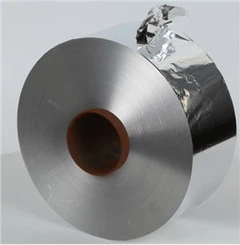


Hey there! As a supplier of 8011 aluminum strip, I often get asked whether 8011 aluminum strip can be welded easily. Well, let's dig into this topic and find out.
First off, let's understand what 8011 aluminum strip is. It's a popular aluminum alloy that's known for its good formability, corrosion resistance, and moderate strength. It's used in a wide range of applications, from packaging to construction. But when it comes to welding, things can get a bit tricky.
The Basics of Welding 8011 Aluminum Strip
Welding 8011 aluminum strip isn't as straightforward as welding some other metals. Aluminum has a high thermal conductivity, which means it dissipates heat quickly. This can make it challenging to maintain a stable welding temperature. Additionally, aluminum forms a tough oxide layer on its surface, which needs to be removed before welding to ensure a good bond.
There are several welding methods that can be used for 8011 aluminum strip, including TIG (Tungsten Inert Gas) welding, MIG (Metal Inert Gas) welding, and resistance welding. Each method has its own advantages and disadvantages, and the choice of method depends on factors such as the thickness of the strip, the joint design, and the desired weld quality.
TIG Welding
TIG welding is a popular choice for welding 8011 aluminum strip because it allows for precise control of the welding process. It uses a non-consumable tungsten electrode to create an arc between the electrode and the workpiece. The arc melts the aluminum, and a filler metal is added to the weld pool to create a strong bond. TIG welding produces high-quality welds with good aesthetics, but it can be time-consuming and requires a skilled operator.


MIG Welding
MIG welding is another common method for welding 8011 aluminum strip. It uses a consumable wire electrode that is fed through a welding gun. The wire is melted by an electric arc, and the molten metal is deposited onto the workpiece to create a weld. MIG welding is faster than TIG welding and can be used for thicker materials, but it may produce more spatter and require more post-weld cleaning.
Resistance Welding
Resistance welding is a process that uses an electric current to heat the workpiece and create a weld. It's commonly used for joining thin sheets of aluminum, such as 8011 aluminum strip. Resistance welding is fast and efficient, but it requires specialized equipment and may not be suitable for all applications.
Factors Affecting Weldability
Several factors can affect the weldability of 8011 aluminum strip. These include:
Alloy Composition
The composition of the 8011 aluminum strip can have a significant impact on its weldability. Some alloying elements, such as magnesium and silicon, can improve the strength and corrosion resistance of the aluminum, but they can also make it more difficult to weld. It's important to choose the right filler metal that is compatible with the alloy composition of the 8011 aluminum strip.
Surface Preparation
Proper surface preparation is crucial for achieving a good weld. The oxide layer on the surface of the aluminum needs to be removed before welding to ensure a strong bond. This can be done by using a wire brush, chemical cleaning, or mechanical abrasion. It's also important to keep the surface clean and free of contaminants during the welding process.
Welding Parameters
The welding parameters, such as the welding current, voltage, and travel speed, need to be carefully adjusted to ensure a good weld. The welding current should be set to the appropriate level to melt the aluminum without overheating it. The voltage should be adjusted to maintain a stable arc, and the travel speed should be consistent to ensure a uniform weld.
Tips for Welding 8011 Aluminum Strip
Here are some tips to help you weld 8011 aluminum strip more easily:
Use the Right Filler Metal
Choose a filler metal that is compatible with the alloy composition of the 8011 aluminum strip. For example, if the 8011 aluminum strip contains magnesium, you may need to use a filler metal that also contains magnesium to ensure a strong bond.
Clean the Surface
Before welding, clean the surface of the 8011 aluminum strip to remove any oxide layer or contaminants. Use a wire brush or chemical cleaner to clean the surface, and make sure it's dry before welding.
Preheat the Workpiece
Preheating the workpiece can help to reduce the thermal stress and improve the weldability of the 8011 aluminum strip. However, be careful not to overheat the workpiece, as this can cause the aluminum to become brittle.
Control the Welding Parameters
Adjust the welding parameters, such as the welding current, voltage, and travel speed, to ensure a good weld. The welding current should be set to the appropriate level to melt the aluminum without overheating it, and the travel speed should be consistent to ensure a uniform weld.
Use Shielding Gas
When welding 8011 aluminum strip, it's important to use a shielding gas to protect the weld from oxidation. Argon is a commonly used shielding gas for aluminum welding, as it provides good protection and helps to produce a clean weld.
Conclusion
So, can 8011 aluminum strip be welded easily? Well, it depends. While welding 8011 aluminum strip can be challenging, it's definitely possible with the right techniques and equipment. By understanding the properties of 8011 aluminum strip, choosing the right welding method, and following the tips mentioned above, you can achieve high-quality welds.
If you're interested in purchasing 8011 aluminum strip, we offer a wide range of products, including Aluminum Strip Thin, Aluminum Strip Roll, and Strip Aluminum Plate. We're here to help you with your aluminum strip needs and provide you with the best products and services. If you have any questions or would like to discuss your requirements, feel free to reach out to us. We're looking forward to working with you!
References
- "Aluminum Welding Handbook" by The Aluminum Association
- "Welding Metallurgy" by John C. Lippold and David L. Kotecki