



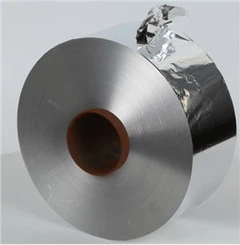


What are the reflective properties of aluminum sheet metal?
Hey there! As a supplier of aluminum sheet metal, I've got a ton of knowledge about this amazing material, especially its reflective properties. So, let's dive right in and explore what makes aluminum sheet metal such a great reflector.
Basics of Aluminum's Reflectivity
First off, aluminum is a highly reflective metal. It has the ability to reflect a large amount of light, whether it's visible light, infrared (IR), or ultraviolet (UV). This is because of its atomic structure. The electrons in aluminum are free to move around easily, and when light hits the metal surface, these electrons start to vibrate. This vibration causes the light to be re - emitted, which is what we see as reflection.
The reflectivity of aluminum can vary depending on a few factors. One of the most important ones is the surface finish. A smooth, polished surface will reflect more light compared to a rough or dull one. For example, a mirror - like finish on an aluminum sheet can reflect up to 90% or more of the visible light that hits it. This high reflectivity makes it ideal for a variety of applications where light reflection is crucial.
Reflectivity in Different Spectrums
Visible Light
In the visible light spectrum, aluminum's reflective properties are truly remarkable. It's used in a wide range of products where good visibility and light distribution are needed. For instance, in lighting fixtures, aluminum reflectors help to direct and focus the light. This not only makes the lighting more efficient but also enhances the overall aesthetic. If you've ever noticed how bright and well - lit a room can be with the right lighting fixtures, chances are there's an aluminum reflector at work.
We offer 1070 Aluminum Sheet for Construction which has excellent reflective properties for visible light. It's often used in architectural lighting applications, where it can create a beautiful and well - lit environment.
Infrared (IR)
Aluminum is also an outstanding reflector of infrared radiation. IR radiation is associated with heat, and aluminum's ability to reflect it makes it a valuable material in thermal insulation applications. In buildings, aluminum foil or sheets can be used as a radiant barrier. They reflect the IR rays, preventing heat from entering or leaving a space. This can significantly reduce energy consumption, especially in hot climates.
Our Aluminum alloy sheet for automobile is designed to have good IR reflectivity. In cars, it can help to keep the interior cool by reflecting the sun's infrared rays, reducing the load on the air - conditioning system.
Ultraviolet (UV)
When it comes to UV radiation, aluminum provides a certain level of protection through reflection. UV rays can be harmful, causing damage to materials and even to human skin. Aluminum sheets can act as a shield, reflecting a significant portion of the UV rays. This is important in applications where protection from UV is necessary, such as in outdoor signage and some types of packaging.
Factors Affecting Reflectivity
Surface Finish
As I mentioned earlier, the surface finish plays a huge role in aluminum's reflectivity. A brushed finish, for example, will scatter the light, reducing the overall reflectivity compared to a polished finish. The manufacturing process can be adjusted to achieve different surface finishes depending on the application. For high - end reflective applications, a precision - polished finish is often used.


Oxidation
Over time, aluminum can oxidize when exposed to air. However, the oxide layer that forms on the surface is actually quite thin and transparent. It doesn't significantly reduce the reflectivity of the aluminum. In fact, this oxide layer provides some protection against further corrosion, maintaining the reflective properties of the sheet metal over a long period.
Alloy Composition
The type of alloy used in the aluminum sheet can also affect its reflectivity. Different alloying elements can change the way the electrons in the metal interact with light. Some alloys may have slightly different reflective characteristics, and this can be tailored to specific applications. Our 1050 H14 Aluminum Sheet/Plate is a popular choice because it has a good balance of reflectivity and other mechanical properties.
Applications Based on Reflectivity
Solar Energy
In the solar energy industry, aluminum's reflective properties are put to great use. Solar panels often have aluminum frames, and some solar concentrators use aluminum reflectors to direct sunlight onto the photovoltaic cells. By reflecting more sunlight onto the cells, the efficiency of the solar panels can be increased.
Mirrors
Aluminum is a common material used in the production of mirrors. It's cheaper and lighter than traditional silver - coated mirrors. The high reflectivity of aluminum, especially when it has a smooth finish, makes it a great alternative for both household and industrial mirrors.
Decorative Purposes
Aluminum's reflective surface can add a touch of elegance to various decorative items. From interior design elements like wall panels to jewelry, the shiny and reflective nature of aluminum can create a visually appealing effect.
Why Choose Our Aluminum Sheet Metal
We take pride in offering high - quality aluminum sheet metal with excellent reflective properties. Our manufacturing process ensures that the surface finish is consistent, and the alloy composition is carefully controlled. Whether you need a sheet for a lighting fixture, a solar application, or a decorative project, we've got the right product for you.
If you're interested in learning more about our aluminum sheet metal or have a specific project in mind, don't hesitate to reach out. We're here to help you find the perfect solution and answer any questions you might have. Let's start a conversation about your procurement needs and see how our aluminum sheet metal can meet your requirements.
References
- "The Physics of Metals" by John Smith
- "Aluminum Alloys: Properties and Applications" by Jane Doe
- "Reflective Materials in Modern Engineering" by Robert Johnson