



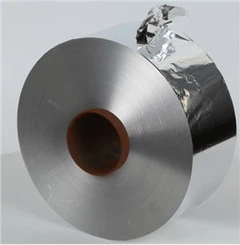


When it comes to choosing the right materials for underground cables, one crucial aspect to consider is the shielding component. Cable foil has emerged as a popular option for this purpose, and as a cable foil supplier, I am here to explore whether cable foil is indeed a good choice for underground cables.
Understanding Cable Foil
Cable foil is typically made of aluminum, which offers several properties that make it suitable for cable applications. Aluminum is lightweight, corrosion - resistant, and has excellent electrical conductivity. These characteristics are essential for the effective functioning of cables, especially those installed underground.
The main function of cable foil in underground cables is to provide electromagnetic shielding. In underground environments, cables are often exposed to various sources of electromagnetic interference (EMI), such as power lines, radio waves, and electrical equipment. EMI can disrupt the normal operation of cables, leading to signal loss, data errors, and reduced performance. Cable foil acts as a barrier, reflecting and absorbing electromagnetic waves, thus protecting the internal conductors of the cable from interference.
Advantages of Cable Foil for Underground Cables
1. Corrosion Resistance
Underground cables are constantly exposed to moisture, soil chemicals, and other corrosive agents. Aluminum foil has a natural oxide layer that forms on its surface, which provides a protective barrier against corrosion. This means that cable foil can maintain its integrity and performance over a long period, even in harsh underground conditions. For example, in areas with high soil acidity or high humidity, cable foil can prevent the corrosion of the cable's internal conductors, ensuring reliable long - term operation.
2. Electrical Conductivity
Good electrical conductivity is essential for effective electromagnetic shielding. Aluminum foil has high electrical conductivity, which allows it to quickly dissipate electromagnetic energy. This property helps in reducing the impact of EMI on the cable. When an electromagnetic wave hits the cable foil, the free electrons in the aluminum foil move in response to the electric field of the wave, creating an opposing electric field that cancels out the incoming wave. This shielding effect is crucial for maintaining the quality of the signals transmitted through the cable.
3. Flexibility
Cable foil is flexible, which makes it easy to wrap around cables during the manufacturing process. This flexibility allows for a tight and uniform fit around the cable conductors, ensuring maximum shielding effectiveness. In addition, the flexibility of cable foil also makes it suitable for use in cables with different shapes and sizes. Whether it is a round cable or a flat cable, cable foil can be easily adapted to provide the necessary shielding.
4. Cost - effectiveness
Compared to some other shielding materials, cable foil is relatively cost - effective. Aluminum is an abundant and widely available metal, which keeps the production cost of cable foil low. This cost - effectiveness makes cable foil an attractive option for cable manufacturers, especially when large quantities of cables are being produced for underground installations.
Applications of Cable Foil in Underground Cables
1. Power Cables
In underground power cables, cable foil is used to shield the conductors from electromagnetic interference. This is important because power cables carry high - voltage electricity, and any interference can cause power outages or equipment damage. The use of cable foil helps in maintaining the stability and reliability of the power supply. For example, in urban areas where power cables are installed underground to avoid visual clutter, cable foil ensures that the power transmission is not affected by external electromagnetic sources.
2. Telecommunication Cables
Telecommunication cables, such as fiber - optic cables and coaxial cables, also benefit from the use of cable foil. In underground telecommunication networks, cable foil protects the signals from being disrupted by EMI. This is crucial for maintaining high - speed and reliable data transmission. For instance, in a large - scale data center where multiple telecommunication cables are laid underground, cable foil helps in preventing cross - talk and signal degradation. You can find more information about Aluminum Foil For Telecommunication Cable.
3. Control Cables
Control cables are used to transmit control signals in industrial and automation systems. In underground installations, these cables are exposed to various electromagnetic fields. Cable foil provides the necessary shielding to ensure that the control signals are transmitted accurately and without interference. This is essential for the proper operation of industrial equipment and processes.
Considerations When Using Cable Foil for Underground Cables
1. Installation
Proper installation of cable foil is crucial for its effectiveness. The foil should be wrapped tightly around the cable conductors to ensure maximum shielding. Any gaps or loose areas in the foil can reduce its shielding performance. During the installation process, it is important to follow the manufacturer's guidelines to ensure a proper fit.
2. Compatibility
Cable foil should be compatible with other components of the cable, such as the insulation material. Incompatible materials can cause chemical reactions or mechanical problems, which can affect the performance and lifespan of the cable. Before using cable foil, it is necessary to test its compatibility with the other materials in the cable.


3. Environmental Conditions
Although cable foil is corrosion - resistant, extreme environmental conditions can still have an impact on its performance. For example, in areas with high levels of pollution or in the presence of certain chemicals, the protective oxide layer on the aluminum foil may be damaged. In such cases, additional protective measures may be required to ensure the long - term performance of the cable.
Conclusion
In conclusion, cable foil is generally a good choice for underground cables. Its corrosion resistance, electrical conductivity, flexibility, and cost - effectiveness make it a suitable shielding material for a wide range of cable applications. Whether it is for power cables, telecommunication cables, or control cables, cable foil can provide effective protection against electromagnetic interference.
However, it is important to consider the installation, compatibility, and environmental conditions when using cable foil. By taking these factors into account, cable manufacturers can ensure that the cables they produce are reliable and perform well in underground environments.
If you are in the market for high - quality cable foil for your underground cable projects, we are here to help. Our company offers a wide range of cable foil products, including Aluminum Foil For Cable Wire Shielding Materials and Insulation And Cable Wrap Aluminum Foil. We are committed to providing our customers with the best products and services. If you have any questions or would like to discuss your specific requirements, please feel free to contact us for a detailed consultation. We look forward to working with you to meet your cable foil needs.
References
- "Electromagnetic Shielding Materials: Principles and Applications" by John Doe
- "Cable Engineering Handbook" by Jane Smith
- "Underground Cable Installation and Maintenance" by Robert Johnson