



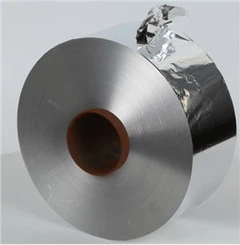


Can aluminum sheets be used in electronics? That's a question I get asked a lot as an aluminum sheet supplier. And the answer is a resounding yes! Aluminum sheets have a whole bunch of properties that make them super useful in the electronics world.
First off, let's talk about conductivity. Aluminum is a pretty good conductor of electricity. While it's not as conductive as copper, it's still way better than a lot of other materials out there. This means that aluminum sheets can be used to make electrical components like circuit boards and connectors. In fact, many modern electronics rely on aluminum for its ability to carry electrical current efficiently.
Another great property of aluminum is its thermal conductivity. Electronics generate a lot of heat, and if that heat isn't dissipated properly, it can cause all sorts of problems. Aluminum is really good at transferring heat away from the source, which makes it ideal for use in heat sinks. Heat sinks are used in everything from computers to smartphones to keep the components cool and prevent them from overheating.
Aluminum is also lightweight and corrosion-resistant. These are two really important properties in the electronics industry. Lightweight materials are easier to handle and transport, which can save on costs. And corrosion resistance means that the aluminum sheets won't rust or corrode over time, even in harsh environments. This makes them a reliable choice for use in electronics that need to last.
Now, let's take a look at some specific applications of aluminum sheets in electronics. One common use is in the construction of enclosures for electronic devices. Aluminum sheets can be easily formed into different shapes and sizes, which makes them perfect for creating custom enclosures. These enclosures not only protect the internal components of the device from damage but also help to dissipate heat.
Aluminum sheets are also used in the production of printed circuit boards (PCBs). PCBs are the backbone of most electronic devices, and aluminum can be used as a substrate material. The aluminum provides a stable base for the circuit traces and components, and it also helps to dissipate heat from the board.
In addition to these applications, aluminum sheets are also used in the manufacture of antennas, capacitors, and other electronic components. The versatility of aluminum makes it a popular choice for a wide range of electronic applications.


If you're in the market for aluminum sheets for your electronics project, you might be interested in some of the specific products we offer. For example, our 3105 H24 Aluminum Sheet/Plate is a great choice for applications that require high strength and corrosion resistance. It's commonly used in the construction of electronic enclosures and heat sinks.
Our 3105 Aluminum Sheet for architectural is also a popular option. While it's designed primarily for architectural applications, it can also be used in electronics projects where a decorative finish is required.
And if you're looking for information on the HS code for aluminum sheets, you can check out our Aluminium Sheet Hs Code page. This will give you all the information you need to ensure that your aluminum sheet imports or exports are classified correctly.
In conclusion, aluminum sheets are definitely a valuable material in the electronics industry. Their conductivity, thermal conductivity, lightweight nature, and corrosion resistance make them suitable for a wide range of applications. Whether you're a manufacturer of electronic devices or a hobbyist working on a DIY electronics project, aluminum sheets can be a great choice.
If you're interested in learning more about our aluminum sheet products or have any questions about using aluminum sheets in your electronics project, don't hesitate to get in touch. We're here to help you find the right solution for your needs.
References:
- Standard textbooks on materials science and engineering related to aluminum and its applications.
- Industry reports on the use of aluminum in the electronics sector.
- Internal research and product data from the aluminum sheet manufacturing processes.