





Hey there! As an aluminum strip supplier, I'm super stoked to chat with you about the heat-resistant properties of aluminum strips. It's a topic that's not only fascinating but also super important for a whole bunch of industries. So, let's dive right in!
First off, let's understand what heat resistance really means. When we talk about a material's heat resistance, we're referring to its ability to withstand high temperatures without losing its structural integrity or physical properties. Aluminum strips are pretty amazing in this regard, and here's why.
Aluminum has a relatively high melting point. Pure aluminum melts at around 660.32°C (1220.58°F). This means that in many applications where moderate to high temperatures are involved, aluminum strips can hold up well. For instance, in the automotive industry, aluminum strips are used in various components like heat exchangers. These parts need to be able to handle the heat generated by the engine, and aluminum's heat-resistant properties make it a perfect choice.
Another great thing about aluminum strips is their thermal conductivity. Aluminum is an excellent conductor of heat. This might seem counterintuitive when we're talking about heat resistance, but it actually works in our favor. The high thermal conductivity allows the heat to be spread evenly across the strip. So, instead of having hot spots that could potentially damage the material, the heat is distributed, reducing the risk of localized melting or deformation.
Let's take a look at some specific applications where the heat-resistant properties of aluminum strips shine. In the construction industry, aluminum strips are used in roofing and cladding. These materials are exposed to the sun's heat all day long, and they need to be able to handle the high temperatures without warping or deteriorating. Aluminum strips are a great option because they can withstand the heat and still maintain their strength and appearance.


In the electronics industry, aluminum strips are used in heat sinks. Heat sinks are designed to dissipate heat from electronic components like CPUs. The heat-resistant properties of aluminum ensure that the heat sink can effectively transfer the heat away from the component, preventing overheating and potential damage.
Now, let's talk about the different types of aluminum strips and how their heat-resistant properties can vary. There are various alloys of aluminum, and each alloy has its own unique set of properties. For example, the 8011 aluminum strip is known for its good formability and corrosion resistance, as well as its decent heat resistance. You can check out more about Strip Aluminum Plate on our website.
The 1000 series aluminum strips, like the Aluminum Strip Nose Bridge, are pure aluminum strips. They have a relatively high heat resistance due to the purity of the aluminum. These strips are often used in applications where high heat is involved, such as in some industrial processes.
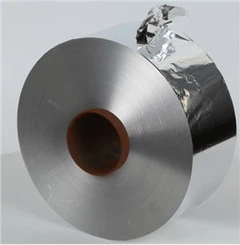
The Aluminum Strip Roll is another popular product. It's convenient for various applications, and its heat-resistant properties make it suitable for use in different environments.
One of the factors that can affect the heat resistance of aluminum strips is the thickness. Thicker strips generally have better heat resistance because they can absorb and distribute more heat. However, the choice of thickness also depends on the specific application. For example, in some cases, a thinner strip might be more suitable if weight is a concern.
Surface treatments can also play a role in enhancing the heat resistance of aluminum strips. For instance, anodizing is a common surface treatment that can improve the strip's resistance to heat and corrosion. Anodizing creates a protective layer on the surface of the aluminum, which helps to prevent oxidation and other forms of damage at high temperatures.
It's important to note that while aluminum strips have good heat-resistant properties, they do have their limits. In extremely high-temperature environments, such as in some industrial furnaces, additional insulation or cooling measures might be required. But for most common applications, aluminum strips are more than capable of handling the heat.
If you're in the market for aluminum strips and are interested in their heat-resistant properties, I'd love to have a chat with you. Whether you're in the automotive, construction, electronics, or any other industry, we can help you find the right aluminum strip for your needs. Our team of experts is here to answer all your questions and provide you with the best solutions.
So, don't hesitate to reach out if you have any inquiries or if you're ready to start a procurement process. We're committed to providing high-quality aluminum strips and excellent customer service.
References:
- "Aluminum Alloys: Properties, Processing, and Applications" by John R. Davis
- "Handbook of Aluminum" by George E. Totten and David S. MacKenzie