



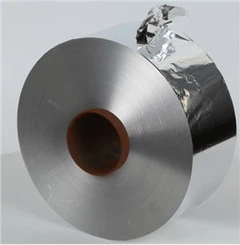


Aluminum checked plates have become a popular choice in various industries due to their unique properties and wide range of applications. One of the questions that often arises is whether these plates have good heat dissipation performance. As a leading supplier of Aluminum Checked Plates, I am here to provide an in - depth analysis of this topic.
Understanding Aluminum's Thermal Properties
Aluminum is well - known for its excellent thermal conductivity. Thermal conductivity is a measure of a material's ability to conduct heat. Aluminum has a relatively high thermal conductivity compared to many other metals. The thermal conductivity of pure aluminum is approximately 237 W/(m·K). This high thermal conductivity means that aluminum can transfer heat quickly from one point to another.
When it comes to aluminum checked plates, the structure of the checkered pattern does not significantly impede the heat transfer process. In fact, the raised patterns on the surface of the aluminum checked plate can increase the surface area. A larger surface area allows for more contact with the surrounding air, which in turn enhances the heat dissipation process through convection.
Heat Dissipation Mechanisms
There are three main heat transfer mechanisms: conduction, convection, and radiation.
Conduction
In the case of aluminum checked plates, conduction is the primary mode of heat transfer within the plate itself. When one part of the plate is heated, the heat is conducted through the aluminum atoms to other parts of the plate. Due to the high thermal conductivity of aluminum, this conduction process is very efficient. For example, in industrial applications where heat needs to be transferred from a heat source to a cooler area, an aluminum checked plate can quickly conduct the heat away from the source.
Convection
Convection plays a crucial role in the heat dissipation of aluminum checked plates. The checkered pattern on the plate's surface increases the surface area exposed to the surrounding air. As the air comes into contact with the heated surface of the plate, it absorbs the heat and rises. This creates a natural convection current, which helps to carry the heat away from the plate. In a well - ventilated environment, this convection process can be quite effective in dissipating heat.
Radiation
Although radiation is a less significant heat transfer mechanism for aluminum checked plates compared to conduction and convection, it still contributes to the overall heat dissipation. Aluminum has a relatively low emissivity, which means it does not radiate heat as effectively as some other materials. However, in high - temperature applications, radiation can still play a role in transferring heat from the plate to the surrounding environment.


Applications and Heat Dissipation
Aluminum checked plates are used in a variety of applications where heat dissipation is important.
Industrial Machinery
In industrial machinery, aluminum checked plates are often used as components in heat exchangers or as protective covers for equipment that generates heat. The high thermal conductivity of aluminum allows the plates to quickly transfer heat away from the machinery, preventing overheating and ensuring the proper functioning of the equipment. For example, in a manufacturing plant, an aluminum checked plate can be used to cover a motor or a generator. The plate will conduct the heat generated by the equipment and dissipate it into the surrounding air through convection.
Transportation
In the transportation industry, aluminum checked plates are used in vehicles such as trucks, buses, and trains. These plates can be used as flooring or as part of the vehicle's structure. In the engine compartment, aluminum checked plates can help to dissipate the heat generated by the engine. The checkered pattern not only provides good traction but also enhances the heat dissipation process.
Building and Construction
In building and construction, aluminum checked plates are used for roofing, siding, and flooring. In hot climates, the heat dissipation properties of these plates can help to keep the interior of the building cool. The plates can absorb the heat from the sun and transfer it to the surrounding air, reducing the heat load on the building's cooling system.
Our Aluminum Checked Plate Products
As a supplier of Aluminum Checked Plates, we offer a wide range of products to meet different customer needs. Our 3 Bar Aluminum Checked Tread Plate Sheet is a popular choice for industrial and transportation applications. It has a unique three - bar pattern that provides excellent traction and also enhances heat dissipation.
Our Aluminium Checker Plate is available in various thicknesses and sizes. It is suitable for a wide range of applications, from building construction to decorative purposes. The checkered pattern on the plate not only adds aesthetic value but also improves heat dissipation.
We also offer 3003 Pattern Aluminium Plate low price. The 3003 aluminum alloy is known for its good corrosion resistance and formability. This plate is a cost - effective option for customers who require a high - quality aluminum checked plate with good heat dissipation performance.
Conclusion
In conclusion, aluminum checked plates have good heat dissipation performance. The high thermal conductivity of aluminum, combined with the increased surface area provided by the checkered pattern, allows for efficient heat transfer through conduction, convection, and radiation. These plates are suitable for a wide range of applications where heat dissipation is important, such as industrial machinery, transportation, and building construction.
If you are interested in our Aluminum Checked Plate products and want to discuss your specific requirements, please feel free to contact us. We are committed to providing high - quality products and excellent customer service.
References
- Incropera, F. P., & DeWitt, D. P. (2002). Fundamentals of Heat and Mass Transfer. John Wiley & Sons.
- Holman, J. P. (2009). Heat Transfer. McGraw - Hill.