



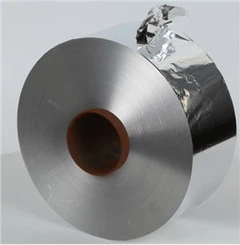


As a leading supplier of cigarette foil, I've witnessed firsthand the diverse range of cigarette foils available in the market. Each type serves a unique purpose, catering to different needs and preferences within the tobacco industry. In this blog, I'll explore the various types of cigarette foil, their characteristics, and applications.
1. Cigarette Inner Packing Aluminum Foil
Cigarette inner packing aluminum foil is a crucial component in cigarette packaging. It plays a vital role in preserving the flavor and freshness of cigarettes. This type of foil is typically made from high - quality aluminum with a thickness ranging from 6 to 9 microns.
The Cigarette Inner Packing Aluminum Foil offers excellent barrier properties against moisture, oxygen, and light. Moisture can cause cigarettes to become damp and lose their flavor, while oxygen can lead to oxidation of the tobacco, resulting in a stale taste. Light exposure can also degrade the quality of the tobacco. The aluminum foil acts as a shield, protecting the cigarettes from these environmental factors.
It is often printed with brand logos, patterns, or other information. The printing not only enhances the visual appeal of the cigarette pack but also helps in brand recognition. Moreover, the foil is flexible and can be easily wrapped around the cigarettes, ensuring a snug fit within the pack.
2. Aluminum Foil For Cigarette Packing
Aluminum Foil For Cigarette Packing is a more general term that encompasses both inner and outer packing foils. Outer packing foils are used to cover the entire cigarette pack, providing an additional layer of protection and enhancing the overall appearance of the product.
These foils can have different surface finishes, such as matte or glossy. A matte finish gives a more sophisticated and understated look, while a glossy finish provides a more eye - catching and vibrant appearance. The choice of finish depends on the brand's marketing strategy and target audience.
In addition to protection and aesthetics, aluminum foil for cigarette packing can also be customized in terms of thickness, color, and print design. Some manufacturers may require a thicker foil for added durability, while others may opt for a specific color to match their brand identity.
3. Cigarette Packing Foil with Special Coatings
Some cigarette foils come with special coatings to enhance their performance. For example, a barrier coating can be applied to improve the foil's resistance to moisture and oxygen. This is particularly important in regions with high humidity or for cigarettes that are stored for long periods.
Another type of coating is a heat - sealable coating. This allows the foil to be easily sealed during the packaging process, ensuring a tight and secure closure. Heat - sealable foils are widely used in high - speed packaging machines, as they can be quickly and efficiently sealed, increasing the production efficiency.
There are also anti - static coatings available. These coatings prevent the build - up of static electricity, which can attract dust and other particles, potentially affecting the quality of the cigarettes.
4. Decorative Cigarette Foil
Decorative cigarette foils are designed to make the cigarette pack stand out on the shelves. They can feature elaborate patterns, embossing, or holographic effects. These foils are often used by premium cigarette brands to create a luxurious and exclusive image.
Embossed foils add a three - dimensional effect to the packaging, making it more tactile and visually appealing. Holographic foils, on the other hand, display a range of colors and patterns that change depending on the viewing angle, creating a captivating visual experience.
5. Recyclable Cigarette Foil
With the increasing focus on environmental sustainability, recyclable cigarette foils have become more popular. These foils are made from materials that can be easily recycled, reducing the environmental impact of cigarette packaging.
Recyclable cigarette foils are typically made from pure aluminum or aluminum alloys that can be melted down and reused. By using recyclable foils, cigarette manufacturers can contribute to a more circular economy and meet the growing consumer demand for eco - friendly products.
Applications and Market Demand
The different types of cigarette foils are used in various applications within the tobacco industry. Inner packing foils are essential for protecting the cigarettes from the moment they are manufactured until they are consumed. Outer packing foils are used to create an attractive and marketable product.


The market demand for cigarette foils is influenced by several factors, including the growth of the tobacco industry, consumer preferences for packaging design, and regulatory requirements. As the tobacco industry continues to evolve, there is a growing demand for high - quality, innovative, and sustainable cigarette foils.
Why Choose Our Cigarette Foil
As a supplier, we offer a wide range of cigarette foils to meet the diverse needs of our customers. Our products are made from high - quality materials and are manufactured using advanced production techniques.
We have a team of experienced professionals who can provide customized solutions based on your specific requirements. Whether you need a specific thickness, print design, or coating, we can work with you to create the perfect cigarette foil for your brand.
Our commitment to quality and customer satisfaction is unwavering. We ensure that all our products meet the highest industry standards and are delivered on time.
If you are interested in our cigarette foils and would like to discuss your procurement needs, we invite you to reach out to us. We are ready to have in - depth discussions with you to understand your requirements and provide you with the best possible solutions.
References
- Industry reports on cigarette packaging materials
- Research papers on the properties and applications of aluminum foils in the tobacco industry
- Marketing materials from cigarette manufacturers regarding their packaging preferences