



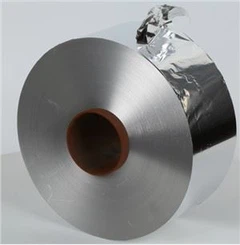


Can aluminum strips be used for roofing? This is a question that many homeowners, contractors, and architects often consider when planning a roofing project. As an aluminum strip supplier, I have had the opportunity to work with various clients in the construction industry, and I am here to share my insights on the viability of using aluminum strips for roofing.
The Advantages of Aluminum Strips for Roofing
Lightweight
One of the most significant advantages of using aluminum strips for roofing is their lightweight nature. Aluminum is much lighter than traditional roofing materials such as steel, concrete, or clay tiles. This makes it easier to handle during installation, reducing labor costs and the need for heavy machinery. Additionally, the reduced weight puts less stress on the building's structure, which can be particularly beneficial for older buildings or those with limited structural capacity.
Corrosion Resistance
Aluminum has a natural oxide layer that provides excellent corrosion resistance. This means that aluminum strips can withstand harsh weather conditions, including rain, snow, and saltwater exposure, without rusting or deteriorating. In coastal areas or regions with high humidity, aluminum roofing can offer long - term durability and require less maintenance compared to other materials.
Energy Efficiency
Aluminum is a good reflector of sunlight. When used as roofing material, it can reflect a significant amount of solar radiation, reducing the amount of heat absorbed into the building. This can lead to lower energy costs for cooling, making it an environmentally friendly and cost - effective option for roofing.


Aesthetic Appeal
Aluminum strips can be manufactured in a variety of colors and finishes, allowing for customization to match the architectural style of the building. Whether you prefer a modern, sleek look or a more traditional appearance, aluminum roofing can be tailored to meet your design requirements.
Types of Aluminum Strips for Roofing
Cold Rolled Aluminum Flat Strip
Cold rolled aluminum flat strips are commonly used in roofing applications. These strips are produced through a cold rolling process, which gives them a smooth surface finish and precise dimensions. Cold rolled aluminum flat strips offer excellent strength and formability, making them suitable for various roofing profiles. To learn more about cold rolled aluminum flat strips, you can visit Cold Rolled Aluminum Flat Strip.
1050 HO Aluminium Circles
1050 HO aluminium circles can also be used in roofing, especially for circular or curved roofing designs. The 1050 aluminum alloy is known for its high purity and good corrosion resistance. These circles can be cut and shaped to fit specific roofing needs. For more information on 1050 HO aluminium circles, check out 1050 HO Aluminium Circles.
Stock Aluminum Strip In China
China is a major producer of high - quality aluminum strips. Stock aluminum strips in China are available in a wide range of thicknesses, widths, and alloys, providing a cost - effective solution for roofing projects. These strips are often sourced from reliable manufacturers and can be easily customized to meet specific project requirements. You can find more details about stock aluminum strips in China at Stock Aluminum Strip In China.
Installation Considerations
Proper Installation Techniques
Proper installation is crucial for the performance and longevity of aluminum strip roofing. It is important to follow the manufacturer's guidelines and use the appropriate fasteners and sealants. The strips should be installed tightly to prevent water infiltration and ensure a secure fit.
Roof Design and Structure
The design and structure of the roof also play a significant role in the success of aluminum strip roofing. The roof should have adequate slope to allow for proper drainage. Additionally, the structure should be able to support the weight of the roofing material, even though aluminum is lightweight.
Maintenance
While aluminum strip roofing requires less maintenance compared to other materials, it is still important to perform regular inspections. Check for any signs of damage, such as dents or scratches, and repair them promptly to prevent further corrosion.
Cost Analysis
Initial Cost
The initial cost of aluminum strip roofing may be higher than some traditional roofing materials. However, when considering the long - term benefits, such as durability, energy efficiency, and low maintenance, the overall cost - effectiveness of aluminum roofing becomes apparent.
Lifespan
Aluminum strip roofing can have a lifespan of 30 - 50 years or more, depending on the quality of the material and the installation. This long lifespan means that you will not have to replace the roof as frequently as you would with other materials, saving you money in the long run.
Conclusion
In conclusion, aluminum strips can be an excellent choice for roofing. Their lightweight, corrosion resistance, energy efficiency, and aesthetic appeal make them a viable option for a wide range of roofing projects. Whether you are building a new home, renovating an existing building, or working on a commercial project, aluminum strip roofing offers many advantages.
If you are interested in using aluminum strips for your roofing project, I encourage you to contact us for more information. Our team of experts can provide you with detailed product specifications, pricing, and installation guidance. We are committed to providing high - quality aluminum strips and excellent customer service to meet your roofing needs.
References
- ASCE. (2019). Minimum Design Loads and Associated Criteria for Buildings and Other Structures.
- ASTM. (2020). Standard Specification for Aluminum - Alloy Sheet and Plate.