



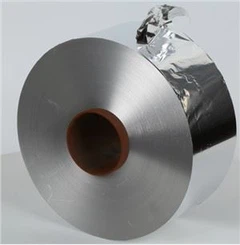


Hey there! As an aluminum sheet supplier, I often get asked about how to accurately measure the thickness of an aluminum sheet. It might seem like a simple task, but there's actually quite a bit to it. In this blog, I'll share some practical methods and tips to help you measure aluminum sheet thickness like a pro.
Why Accurate Thickness Measurement Matters
First off, let's talk about why it's so important to measure the thickness of an aluminum sheet accurately. For us suppliers, it's crucial to ensure that the products we provide meet the required specifications. Whether it's for construction, automotive, or aerospace applications, the right thickness can significantly impact the performance and durability of the final product.
For example, in the aerospace industry, the 2024 Aluminum Sheet/Plate For Aircraft needs to have precise thickness to maintain the structural integrity of the aircraft. Even a small deviation in thickness can lead to serious safety issues.
Tools for Measuring Aluminum Sheet Thickness
There are several tools you can use to measure the thickness of an aluminum sheet. Here are some of the most common ones:
1. Caliper
A caliper is a versatile tool that can measure the thickness of an aluminum sheet with high precision. There are two main types of calipers: digital and vernier. Digital calipers are easier to read and offer more accurate measurements. You simply place the jaws of the caliper on either side of the sheet and read the measurement on the digital display. Vernier calipers, on the other hand, require a bit more skill to use but can also provide accurate results.
2. Micrometer
A micrometer is another precision measuring tool that can be used to measure the thickness of an aluminum sheet. It's more accurate than a caliper and is often used in industries where high precision is required. To use a micrometer, you place the sheet between the anvil and the spindle and turn the thimble until it gently touches the sheet. Then, you read the measurement on the sleeve and thimble.
3. Ultrasonic Thickness Gauge
An ultrasonic thickness gauge is a non-destructive testing tool that uses ultrasonic waves to measure the thickness of an aluminum sheet. It's particularly useful for measuring the thickness of sheets that are difficult to access or have irregular shapes. The gauge sends ultrasonic waves through the sheet, and the time it takes for the waves to bounce back is used to calculate the thickness.


Step-by-Step Guide to Measuring Aluminum Sheet Thickness
Now that you know the tools you can use, let's go through the steps to measure the thickness of an aluminum sheet accurately:
Step 1: Prepare the Sheet
Before you start measuring, make sure the sheet is clean and free of any debris or contaminants. This will ensure accurate measurements.
Step 2: Choose the Right Tool
Depending on the level of precision required and the type of sheet you're measuring, choose the appropriate tool. If you need high precision, a micrometer or an ultrasonic thickness gauge might be the best choice. If you're looking for a quick and easy measurement, a caliper will do the job.
Step 3: Take Multiple Measurements
To ensure accuracy, take multiple measurements at different points on the sheet. This will help you account for any variations in thickness. Make sure to record each measurement.
Step 4: Calculate the Average
Once you've taken all the measurements, calculate the average thickness. This will give you a more accurate representation of the sheet's thickness.
Factors Affecting Thickness Measurement
There are several factors that can affect the accuracy of your thickness measurement. Here are some of the most common ones:
1. Surface Roughness
If the surface of the aluminum sheet is rough, it can affect the accuracy of your measurement. Make sure to smooth the surface before taking measurements.
2. Temperature
Temperature can also affect the thickness of an aluminum sheet. As the temperature changes, the sheet expands or contracts, which can lead to inaccurate measurements. Make sure to measure the sheet at a stable temperature.
3. Measurement Technique
The way you hold the measuring tool can also affect the accuracy of your measurement. Make sure to hold the tool firmly and perpendicular to the sheet.
Tips for Accurate Thickness Measurement
Here are some additional tips to help you measure the thickness of an aluminum sheet accurately:
1. Calibrate Your Tools
Before you start measuring, make sure to calibrate your tools. This will ensure that your measurements are accurate.
2. Use a Reference Standard
If possible, use a reference standard to check the accuracy of your measurements. This will help you identify any errors and make adjustments as needed.
3. Be Patient
Measuring the thickness of an aluminum sheet requires patience and attention to detail. Take your time and make sure to take accurate measurements.
Conclusion
Measuring the thickness of an aluminum sheet accurately is essential for ensuring the quality and performance of the final product. By using the right tools, following the proper measurement techniques, and taking into account the factors that can affect accuracy, you can measure the thickness of an aluminum sheet like a pro.
If you're in the market for high-quality aluminum sheets, we've got you covered. We offer a wide range of aluminum sheets, including the 5050 Aluminum Sheet For Liner Panel and the Aluminum Sheet Metal Gauge. If you have any questions or would like to discuss your specific requirements, feel free to reach out. We're here to help you find the perfect aluminum sheet for your project.
References
- Smith, J. (2020). Aluminum Sheet Manufacturing: A Comprehensive Guide. Publisher Name.
- Johnson, R. (2019). Measuring Techniques for Metal Sheets. Journal of Materials Science, 25(3), 123-135.