



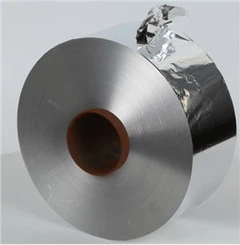


As a supplier of aluminum sheet metal, I often encounter inquiries from customers about the differences between aluminum sheet metal and aluminum plate. This blog post aims to provide a comprehensive understanding of these two forms of aluminum products, exploring their characteristics, applications, and key distinctions.
Definition and Thickness
First and foremost, the primary difference between aluminum sheet metal and aluminum plate lies in their thickness. Generally, aluminum sheet metal is defined as having a thickness ranging from 0.2mm to 6mm. In contrast, aluminum plates are thicker, typically starting from 6mm and going up to several inches depending on the specific requirements. This difference in thickness significantly influences their physical properties and applications.
Physical Properties
Strength and Durability
Aluminum plates, due to their greater thickness, tend to be stronger and more durable than aluminum sheet metal. They can withstand higher levels of stress and pressure, making them suitable for applications where structural integrity is crucial. For example, in the construction of large - scale industrial equipment, bridges, and heavy - duty machinery, aluminum plates are often the preferred choice. On the other hand, aluminum sheet metal, while not as strong as plates, is still relatively lightweight and offers good corrosion resistance, which makes it ideal for applications where weight is a concern.
Formability
Aluminum sheet metal is highly formable. It can be easily bent, rolled, and shaped into various forms without cracking or breaking. This property makes it a popular choice for manufacturing products such as automotive body panels, consumer electronics enclosures, and decorative items. Aluminum plates, however, are less formable due to their thickness. Although they can be machined and fabricated, the process is more complex and requires specialized equipment.
Applications
Aluminum Sheet Metal Applications
- Automotive Industry: Aluminum sheet metal is widely used in the automotive industry for manufacturing car bodies, hoods, and fenders. Its lightweight nature helps to improve fuel efficiency, while its corrosion resistance ensures a longer lifespan for the vehicle.
- Electronics: In the electronics industry, aluminum sheet metal is used to make enclosures for laptops, smartphones, and other electronic devices. It provides protection for the internal components and can be easily customized with different finishes.
- Construction: Aluminum sheet metal is also used in construction for roofing, siding, and gutters. Its corrosion resistance and aesthetic appeal make it a popular choice for both residential and commercial buildings.
Aluminum Plate Applications
- Marine Industry: Aluminum plates are commonly used in the marine industry for building ship hulls, decks, and other structural components. Their strength and corrosion resistance are essential for withstanding the harsh marine environment.
- Aerospace Industry: In the aerospace industry, aluminum plates are used to manufacture aircraft wings, fuselages, and other critical components. The high strength - to - weight ratio of aluminum plates is crucial for ensuring the safety and performance of aircraft.
- Industrial Equipment: Aluminum plates are used in the manufacturing of industrial equipment such as pressure vessels, storage tanks, and heat exchangers. Their ability to withstand high pressures and temperatures makes them suitable for these applications.
Our Product Offerings
As a supplier of aluminum sheet metal, we offer a wide range of products to meet the diverse needs of our customers. Our product portfolio includes 1050 H14 Aluminum Sheet/Plate and 1100 H14 Aluminum Sheet/Plate. These products are available in various sizes, and you can find more information about Aluminum Sheet Sizes on our website.
Quality and Customization
We are committed to providing high - quality aluminum sheet metal products. Our products are manufactured using advanced production processes and strict quality control measures to ensure they meet international standards. In addition, we offer customization services to meet the specific requirements of our customers. Whether you need a specific size, shape, or finish, our team of experts can work with you to develop the perfect solution.


Conclusion
In conclusion, the main difference between aluminum sheet metal and aluminum plate is their thickness, which in turn affects their physical properties and applications. Aluminum sheet metal is thinner, more formable, and suitable for a wide range of applications where weight and flexibility are important. Aluminum plates, on the other hand, are thicker, stronger, and more suitable for applications that require high strength and durability.
If you are interested in our aluminum sheet metal products or have any questions about the differences between aluminum sheet metal and aluminum plate, please feel free to contact us for a detailed discussion. We look forward to working with you to meet your aluminum product needs.
References
- Aluminum Association. (2023). Aluminum Properties and Applications.
- ASM International. (2023). Metals Handbook: Properties and Selection: Nonferrous Alloys and Pure Metals.