



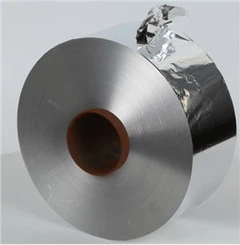


The difference between aluminum foil and tin foil
First of all, tin is the fourth precious metal behind platinum, gold and silver. Pure tin is luster, non-toxic, not easy to oxidize and discolor, and has good sterilization, purification and freshness preservation effects. The chemical properties of tin are very stable, and it is not easily oxidized by oxygen at room temperature, so it often maintains a shiny silver luster. Note: Pure tin is non-toxic, and people often plate it on the inner wall of the copper pot to prevent the copper warm water from generating toxic patina. Toothpaste shells are also commonly made of tin (the toothpaste shell is made of two layers of tin with a layer of lead in the center. In recent years, my country has gradually replaced tin with aluminum to make toothpaste shells).
Secondly, tin foil is a unique handicraft product in Shaoxing in the early years. In ancient times, its main purpose was to make money to worship ghosts and gods. There are many other uses, such as sealing. In ancient times, the shape of tin foil paper was rectangular or square, and thin paper was foldable and deformable. The tin foil paper is silver-white in color, and the ash is golden after burning. Its main components are tin and aluminum, which are alloys of tin and aluminum. Not suitable for food packaging!
Aluminum foil is produced by rolling aluminum metal. The thickness range applied to food packaging is 0.006-0.3mm. For example, disposable lunch boxes used on airplanes are made of aluminum foil and can be placed in a microwave or oven to heat meals. Usually the tin foil packaging is also aluminum foil.
Aluminum foil has too many advantages in the application of food packaging. People who eat melon can read our other articles to share.
I hope you will call it aluminum foil or aluminum foil packaging in the future!