



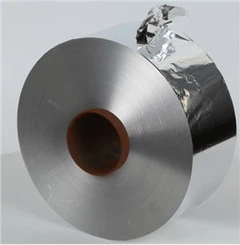


As a supplier of 8011 aluminum strip, I am often asked about the surface finish of this popular material. In this blog post, I will delve into the details of the surface finish of 8011 aluminum strip, exploring its characteristics, types, and applications.


Understanding 8011 Aluminum Strip
8011 aluminum strip is a widely used alloy known for its excellent formability, corrosion resistance, and moderate strength. It belongs to the 8000 series of aluminum alloys, which are typically used for applications that require good workability and corrosion resistance. The main alloying elements in 8011 aluminum are silicon and iron, which contribute to its unique properties.
Surface Finish: An Overview
The surface finish of an aluminum strip plays a crucial role in its appearance, functionality, and performance. It refers to the texture, smoothness, and appearance of the strip's surface. A good surface finish not only enhances the aesthetic appeal of the product but also improves its resistance to corrosion, wear, and other environmental factors.
Types of Surface Finishes for 8011 Aluminum Strip
There are several types of surface finishes available for 8011 aluminum strip, each with its own unique characteristics and applications. Here are some of the most common surface finishes:
Mill Finish
The mill finish is the most basic and common surface finish for 8011 aluminum strip. It is the natural finish that results from the rolling process. Mill finish aluminum has a dull, matte appearance and may have some minor surface imperfections, such as rolling lines or scratches. This finish is suitable for applications where appearance is not a critical factor, such as in industrial or structural applications.
Bright Finish
A bright finish is achieved by polishing the aluminum strip to a high shine. This finish gives the strip a smooth, reflective surface that is visually appealing. Bright finish aluminum is often used in applications where appearance is important, such as in decorative or architectural applications.
Anodized Finish
Anodizing is an electrochemical process that creates a protective oxide layer on the surface of the aluminum strip. This oxide layer not only enhances the corrosion resistance of the strip but also provides a durable and attractive finish. Anodized finishes can be produced in a variety of colors, allowing for greater design flexibility. Anodized 8011 aluminum strip is commonly used in applications where both corrosion resistance and aesthetics are important, such as in automotive, aerospace, and consumer electronics.
Coated Finish
Coating is another way to improve the surface finish of 8011 aluminum strip. Coatings can provide additional protection against corrosion, wear, and UV radiation. There are different types of coatings available, including paint, powder coating, and laminate. Coated finishes can be customized to meet specific requirements, such as color, texture, and durability. Coated 8011 aluminum strip is often used in applications where a high level of protection and aesthetics are required, such as in building facades, signage, and furniture.
Factors Affecting Surface Finish
Several factors can affect the surface finish of 8011 aluminum strip. These include:
Rolling Process
The rolling process used to produce the aluminum strip can have a significant impact on its surface finish. Factors such as the roll surface roughness, rolling speed, and lubrication can all affect the smoothness and appearance of the strip.
Alloy Composition
The alloy composition of the 8011 aluminum strip can also influence its surface finish. Different alloying elements can affect the hardness, ductility, and corrosion resistance of the strip, which in turn can affect its surface finish.
Post-Treatment
Post-treatment processes, such as annealing, pickling, and brushing, can also be used to improve the surface finish of the aluminum strip. These processes can remove surface imperfections, improve the smoothness of the surface, and enhance the appearance of the strip.
Applications of 8011 Aluminum Strip with Different Surface Finishes
The choice of surface finish for 8011 aluminum strip depends on the specific application requirements. Here are some common applications for 8011 aluminum strip with different surface finishes:
Mill Finish
Mill finish 8011 aluminum strip is commonly used in industrial applications, such as in the manufacturing of automotive parts, electrical enclosures, and construction materials. Its dull, matte appearance makes it suitable for applications where appearance is not a critical factor.
Bright Finish
Bright finish 8011 aluminum strip is often used in decorative applications, such as in the manufacturing of jewelry, consumer electronics, and architectural elements. Its smooth, reflective surface gives it a high-end appearance that is visually appealing.
Anodized Finish
Anodized 8011 aluminum strip is widely used in applications where corrosion resistance and aesthetics are important, such as in the automotive, aerospace, and consumer electronics industries. The anodized finish provides a durable and attractive surface that can withstand harsh environmental conditions.
Coated Finish
Coated 8011 aluminum strip is commonly used in applications where a high level of protection and aesthetics are required, such as in building facades, signage, and furniture. The coating can provide additional protection against corrosion, wear, and UV radiation, while also enhancing the appearance of the strip.
Conclusion
In conclusion, the surface finish of 8011 aluminum strip is an important factor that can affect its appearance, functionality, and performance. There are several types of surface finishes available, each with its own unique characteristics and applications. By understanding the different surface finishes and their properties, you can choose the right finish for your specific application.
If you are interested in purchasing 8011 aluminum strip, I encourage you to [contact us] to discuss your requirements. Our team of experts can provide you with detailed information about our products and help you select the right surface finish for your application.
References
- Aluminum Association. (n.d.). Aluminum Alloy Designations and Chemical Compositions. Retrieved from https://www.aluminum.org/standards/aluminum-alloy-designations-and-chemical-compositions
- ASM International. (n.d.). Aluminum and Aluminum Alloys. Retrieved from https://asm.matweb.com/search/SpecificMaterial.asp?bassnum=MA8011
- NIST. (n.d.). Handbook 50 - Aluminum Standards and Data. Retrieved from https://www.nist.gov/publications/handbook-50-aluminum-standards-and-data