



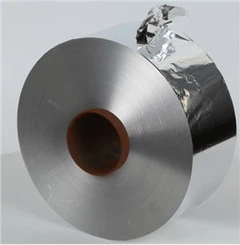


Hey there! As a supplier of 3003 aluminum strip, I often get asked about the shear strength of this material. So, I thought I'd take a moment to break it down for you and explain what it means, why it matters, and how it can impact your projects.
First off, let's talk about what shear strength actually is. Shear strength is the ability of a material to resist forces that cause one part of the material to slide past another. In simpler terms, it's how well the material can hold up when it's being cut or sheared. For 3003 aluminum strip, shear strength is an important property because it determines how well the strip can withstand cutting, stamping, and other manufacturing processes.
The shear strength of 3003 aluminum strip can vary depending on a few factors, including the temper of the material, the thickness of the strip, and the specific alloy composition. Generally speaking, 3003 aluminum strip has a shear strength of around 17,000 to 21,000 pounds per square inch (psi). However, this can vary depending on the specific conditions and requirements of your project.
So, why does shear strength matter? Well, if you're using 3003 aluminum strip in a manufacturing process that involves cutting or shearing, you need to make sure that the material can withstand the forces involved without breaking or deforming. If the shear strength is too low, the strip may tear or crack during the cutting process, which can lead to wasted material and increased costs. On the other hand, if the shear strength is too high, the strip may be difficult to cut or shape, which can also cause problems.
Another important factor to consider is the application of the 3003 aluminum strip. Different applications may require different levels of shear strength. For example, if you're using the strip for a structural application, you may need a higher shear strength to ensure that the material can withstand the forces involved. On the other hand, if you're using the strip for a decorative application, you may not need as high of a shear strength.


Now, let's talk about some of the factors that can affect the shear strength of 3003 aluminum strip. One of the most important factors is the temper of the material. The temper refers to the degree of hardness and strength of the aluminum. There are several different tempers available for 3003 aluminum strip, including H12, H14, H16, and H18. Each temper has a different level of hardness and strength, which can affect the shear strength of the material.
Another factor that can affect the shear strength of 3003 aluminum strip is the thickness of the strip. Generally speaking, thicker strips will have a higher shear strength than thinner strips. This is because the thicker the strip, the more material there is to resist the forces involved in cutting or shearing.
Finally, the specific alloy composition of the 3003 aluminum strip can also affect its shear strength. 3003 aluminum is an alloy that contains manganese and other elements, which can affect the strength and hardness of the material. Different alloy compositions may have different levels of shear strength, so it's important to choose the right alloy for your specific application.
So, now that you know a little bit about the shear strength of 3003 aluminum strip, you may be wondering how to choose the right material for your project. Here are a few tips to help you make the right decision:
- Consider the application: As I mentioned earlier, different applications may require different levels of shear strength. Make sure you understand the specific requirements of your project and choose a material that can meet those requirements.
- Check the temper: The temper of the material can have a big impact on its shear strength. Make sure you choose the right temper for your specific application.
- Consider the thickness: Thicker strips generally have a higher shear strength than thinner strips. Make sure you choose the right thickness for your project.
- Look at the alloy composition: Different alloy compositions may have different levels of shear strength. Make sure you choose the right alloy for your specific application.
If you're still not sure which 3003 aluminum strip is right for your project, don't hesitate to contact me. I'm happy to help you choose the right material and answer any questions you may have.
In addition to shear strength, 3003 aluminum strip has many other properties that make it a popular choice for a wide range of applications. It's lightweight, corrosion-resistant, and easy to work with, which makes it ideal for use in industries such as automotive, construction, and aerospace.
For example, if you're looking for an 1 Inch Aluminum Strip, 3003 aluminum strip is a great option. It's strong enough to withstand the forces involved in cutting and shaping, while still being lightweight and easy to work with.
Another popular application for 3003 aluminum strip is in the production of Aluminum Strip for Cars Licence Plates. The strip's corrosion-resistant properties make it ideal for use in outdoor environments, while its strength and durability ensure that the license plates will last for years.
In conclusion, the shear strength of 3003 aluminum strip is an important property that can have a big impact on the performance of your projects. By understanding the factors that affect shear strength and choosing the right material for your specific application, you can ensure that your projects are successful and cost-effective.
If you're interested in learning more about 3003 aluminum strip or have any questions about our products, please don't hesitate to contact me. I'm here to help you find the right material for your project and answer any questions you may have.
References:
- Aluminum Association. (n.d.). Aluminum Alloy 3003. Retrieved from [Aluminum Association website]
- ASM International. (n.d.). Aluminum and Aluminum Alloys. Retrieved from [ASM International website]