



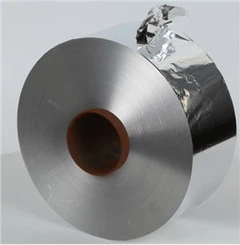


As a supplier of 6-foot aluminum sheets, I often get asked about the heat resistance of these products. Aluminum is a widely used metal in various industries due to its many desirable properties, including its relatively good heat resistance. In this blog post, I'll delve into the heat resistance of 6-foot aluminum sheets, exploring what factors influence it and how it performs in different scenarios.
Understanding Aluminum's Heat Resistance
Aluminum has a melting point of approximately 660.32°C (1220.58°F). However, its heat resistance is not solely determined by its melting point. Before reaching the melting point, aluminum can undergo significant changes in its mechanical properties as the temperature rises.
One of the key factors affecting the heat resistance of aluminum is its alloy composition. Different aluminum alloys have different levels of heat resistance. For example, the 3000 series aluminum alloys, which are commonly used in many applications, including our 6-foot aluminum sheets, offer a good balance of strength, formability, and heat resistance.
The 3105 Aluminum Sheet For Roof is a great example of an aluminum alloy with decent heat resistance. It can withstand relatively high temperatures without losing its structural integrity completely. This makes it suitable for applications where heat exposure is a concern, such as roofing.
How Heat Affects Aluminum Sheets
When an aluminum sheet is exposed to heat, several things can happen. At lower temperatures, the aluminum may expand. This thermal expansion is a normal physical property of most materials. The amount of expansion depends on the temperature increase and the coefficient of thermal expansion of the aluminum alloy.
As the temperature continues to rise, the strength of the aluminum sheet starts to decrease. The higher the temperature, the more significant the reduction in strength. This is an important consideration in applications where the aluminum sheet needs to maintain its structural integrity under heat.
For instance, in industrial settings where aluminum sheets are used in machinery or equipment that is exposed to high temperatures, engineers need to carefully consider the heat resistance of the aluminum alloy. They may need to choose an alloy with higher heat resistance or design the structure in a way that can accommodate the changes in the aluminum's properties due to heat.
Factors Influencing Heat Resistance
- Alloy Composition: As mentioned earlier, different aluminum alloys have different heat resistance capabilities. The addition of other elements to aluminum can enhance its heat resistance. For example, alloys with magnesium and manganese can offer better heat resistance compared to pure aluminum.
- Thickness of the Sheet: Thicker aluminum sheets generally have better heat resistance than thinner ones. This is because a thicker sheet has more mass, which can absorb and dissipate heat more effectively.
- Surface Treatment: Surface treatments such as anodizing can improve the heat resistance of aluminum sheets. Anodizing creates a protective layer on the surface of the aluminum, which can help reduce heat transfer and protect the underlying metal from oxidation at high temperatures.
Heat Resistance in Different Applications
- Roofing: In roofing applications, aluminum sheets need to withstand the heat from the sun. The 3105 Aluminum Sheet For Roof is a popular choice because it can handle the daily temperature fluctuations and long-term exposure to sunlight without significant damage.
- Automotive Industry: Aluminum sheets are used in the automotive industry for various components, including engine parts and body panels. These parts are exposed to high temperatures during operation. The heat resistance of the aluminum alloy used is crucial to ensure the performance and durability of the vehicle.
- Industrial Equipment: In industrial settings, aluminum sheets are used in equipment such as heat exchangers and furnaces. The heat resistance of the aluminum is essential to ensure the proper functioning of these devices.
Comparing Aluminum with Other Metals
When compared to other metals, aluminum has a relatively good heat resistance. For example, compared to steel, aluminum has a lower melting point, but it also has a lower density. This means that aluminum can dissipate heat more quickly than steel in some cases.
However, in extremely high-temperature applications, other metals such as stainless steel or titanium may be more suitable. These metals have higher melting points and better heat resistance at very high temperatures. But for many common applications, aluminum offers a good balance of heat resistance, cost, and other properties.
The Importance of Choosing the Right Aluminum Sheet
As a supplier of 6-foot aluminum sheets, I understand the importance of choosing the right product for your specific needs. If you are in an application where heat resistance is a critical factor, it's essential to select an aluminum alloy with the appropriate heat resistance capabilities.
Our aluminum plate metal is carefully selected to offer a good combination of heat resistance, strength, and corrosion resistance. We also provide detailed information about the properties of our aluminum sheets, including their heat resistance, to help you make an informed decision.
Conclusion
The heat resistance of a 6-foot aluminum sheet is influenced by several factors, including alloy composition, thickness, and surface treatment. Different aluminum alloys offer different levels of heat resistance, and it's important to choose the right alloy for your specific application.


If you are looking for high-quality 6-foot aluminum sheets with good heat resistance, we are here to help. Our team of experts can provide you with detailed information and guidance on choosing the right product for your needs. We invite you to contact us to discuss your requirements and start a procurement negotiation.
References
- ASM Handbook, Volume 2: Properties and Selection: Nonferrous Alloys and Special-Purpose Materials
- Aluminum Association Technical Papers on Aluminum Properties
- Engineering Materials Science textbooks for information on thermal properties of metals