






1. Material Composition and Classification
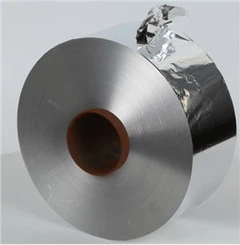
Aluminum plate metal refers to aluminum alloys in the form of flat sheets or plates. Depending on the content of alloy elements, aluminum plates can be classified into different series, each with distinct properties and uses. Common series include 1000 (pure aluminum), 3000 (aluminum-manganese), 5000 (aluminum-magnesium), and 6000 (aluminum-silicon-magnesium). The 5052 aluminum plate, for example, belongs to the 5000 series and is known for its good corrosion resistance, weldability, and medium strength.
2. Key Properties
Lightweight: Aluminum has a low density, making aluminum plates a lightweight material that can reduce overall structural weight, leading to energy savings and cost reduction.
Corrosion Resistance: Aluminum plates are naturally resistant to corrosion, especially when alloyed with elements like magnesium, manganese, or silicon. This property makes them suitable for outdoor applications and environments with high humidity or exposure to corrosive chemicals.
Formability: Aluminum plates can be easily bent, punched, and shaped into various forms, making them ideal for complex designs and applications.
Thermal and Electrical Conductivity: Aluminum has high thermal and electrical conductivity, making it suitable for heat exchangers, radiators, and electrical components.
3. Manufacturing Processes
Aluminum plates are produced through various manufacturing processes, including casting, rolling, and extrusion. The thickness of aluminum plates can range from thin foils to thick plates, depending on the specific application requirements. The manufacturing process and alloy composition significantly impact the mechanical properties and surface finish of the aluminum plates.
4. Applications
Aluminum plate metal finds numerous applications across various industries, including but not limited to:
Construction: Aluminum plates are used in architectural elements, roofing, cladding, and other exterior applications due to their durability, lightweight, and corrosion resistance.
Transportation: In the automotive, aerospace, and marine industries, aluminum plates are used to reduce vehicle weight, improve fuel efficiency, and enhance structural integrity.
Packaging: Aluminum plates are used to manufacture cans, bottles, and other containers due to their recyclability, corrosion resistance, and barrier properties.
Electronics: Aluminum plates are used in heat sinks, circuit boards, and other electronic components due to their high thermal conductivity and electrical insulation properties.
Industrial Equipment: Aluminum plates are used in the manufacture of tanks, pressure vessels, and other industrial equipment that requires high corrosion resistance and durability.





Q: What is the minimum order quantity?
A: 5 tons.
Q: What is delivery time?
A: 30 days after deposit. Except for public holidays.
Q: How can you guarantee the quality?
A: We have rigorous quality test system, from raw materials to finished products, the materials must be checked and signed by QC people.
Q: How long can I get a quote?
A: The quotation can be provided not longer than 24 hours on condition that we know all detailed requirements.
Q: Can I get a sample?
A: Yes we offer free samples. Delivery cost is to be paid by clients.
Q: Why can I trust you and place order with you?
A: From 1997 to 2020 our company is with 22 years experience in this industry, we have served clients from more than 100 countries, our company is well-known for its quality and our team win clients' trust by honesty and down to earth business style.
Hot Tags: aluminum plate metal, China, manufacturers, suppliers, factory, customized, wholesale, quotation, for sale, Brushed Aluminum Sheet, 3000 Aluminum Sheet for pressure vessels, Aluminium Properties, Aluminium Sheet Hs Code, aluminum plate metal, 3103 H24 Aluminum Sheet Plate