



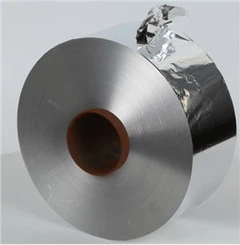


Hey there! I'm a supplier of cable foil, and I've seen a lot in the industry. Cable foil is super important in various cable applications, but it's not all smooth sailing. There are some potential problems that we need to talk about.
1. Oxidation and Corrosion
One of the most common issues with cable foil is oxidation and corrosion. Aluminum, which is a popular material for cable foil, can react with oxygen in the air. Over time, this reaction forms aluminum oxide on the surface of the foil. The oxide layer might seem harmless at first, but it can cause problems.
For instance, it can increase the electrical resistance of the cable. When the resistance goes up, more energy is lost as heat during the transmission of electricity. This not only reduces the efficiency of the cable but can also lead to overheating, which is a major safety hazard.
To make matters worse, if the cable is exposed to a humid or corrosive environment, the oxidation process can speed up significantly. Moisture can act as a catalyst, accelerating the formation of the oxide layer. Even small amounts of chemicals in the air, like sulfur dioxide or nitrogen oxides, can react with the aluminum foil and cause corrosion. This can weaken the foil and eventually lead to breaks in the cable, disrupting the electrical connection.
2. Mechanical Damage
Cable foil is often quite thin, and it can be easily damaged during the manufacturing, installation, or operation of the cable. During the manufacturing process, if the foil is not handled carefully, it can get scratched or torn. These small damages might not seem like a big deal at first, but they can have a significant impact on the performance of the cable.
For example, a scratch on the foil can expose the underlying layers of the cable to the environment, increasing the risk of oxidation and corrosion. In addition, mechanical damage can also affect the electrical shielding properties of the cable foil. The foil is designed to protect the cable from electromagnetic interference (EMI). If it's damaged, it might not be able to block the EMI effectively, leading to signal interference and poor performance of the cable.
During installation, the cable might be bent, twisted, or pulled. If the foil is not flexible enough or if it's not properly supported, it can crack or break. Even after installation, the cable might be subjected to vibrations or mechanical stress, which can also cause damage to the foil.
3. Compatibility Issues
Cable foil needs to be compatible with other materials in the cable. For example, it needs to be compatible with the insulation material. If the foil and the insulation material are not compatible, they might react with each other. This can lead to a breakdown of the insulation or the foil, reducing the performance and lifespan of the cable.
In some cases, the adhesive used to attach the foil to the cable might not be compatible with the foil material. This can cause the foil to peel off, which can expose the cable to environmental factors and reduce its shielding effectiveness.
Another compatibility issue is related to the electrical properties of the foil and other components in the cable. If the electrical conductivity of the foil is not well-matched with the other parts of the cable, it can cause problems in the electrical performance of the cable. For example, it might lead to uneven current distribution or voltage drops.


4. Thickness Variation
The thickness of cable foil is crucial for its performance. If the thickness varies too much, it can affect the electrical and mechanical properties of the cable. For example, if the foil is too thin in some areas, it might not provide adequate shielding against EMI. On the other hand, if it's too thick in some areas, it can increase the weight and cost of the cable.
Thickness variation can occur during the manufacturing process. Factors like the quality of the raw materials, the manufacturing equipment, and the production process can all affect the thickness of the foil. In addition, improper handling and storage of the foil can also cause thickness variation. For example, if the foil is stored under uneven pressure, it can lead to local changes in thickness.
5. Adhesion Problems
The adhesion between the cable foil and the cable is very important. If the foil doesn't adhere well to the cable, it can peel off easily. This can expose the cable to environmental factors and reduce its shielding effectiveness.
There are several reasons why adhesion problems might occur. One reason is the surface condition of the foil and the cable. If the surfaces are not clean or if they have contaminants on them, the adhesive might not bond properly. Another reason is the type of adhesive used. If the adhesive is not suitable for the materials of the foil and the cable, it might not provide strong adhesion.
In addition, environmental factors can also affect the adhesion. For example, high temperatures or humidity can weaken the adhesive bond. If the cable is exposed to extreme temperatures during operation, the adhesive might lose its effectiveness, causing the foil to peel off.
Solutions and Our Products
At our company, we're aware of these potential problems, and we've taken steps to address them. We use high-quality raw materials to ensure the durability and performance of our cable foil. Our Roll Material For Making Aluminum Cable Foil is made from premium aluminum, which has excellent resistance to oxidation and corrosion. We also use advanced manufacturing processes to control the thickness of the foil and ensure its uniformity.
Our Cable Wrapped Aluminum Foil is designed to provide strong adhesion to the cable. We use a special adhesive that is compatible with the foil and the cable materials, ensuring a long-lasting bond. In addition, our Insulation And Cable Wrap Aluminum Foil is carefully engineered to provide excellent electrical insulation and shielding properties.
If you're in the market for cable foil, we'd love to talk to you. We can provide you with high-quality products that meet your specific needs. Whether you're dealing with a small project or a large-scale installation, we've got you covered. Contact us to discuss your requirements and let's find the best cable foil solution for you.
References
- Smith, J. (2020). "The Impact of Oxidation on Cable Foil Performance." Journal of Electrical Engineering.
- Johnson, M. (2019). "Mechanical Damage in Cable Foil: Causes and Solutions." International Journal of Cable Technology.
- Brown, R. (2021). "Compatibility Issues in Cable Foil Applications." Proceedings of the Cable Industry Conference.