



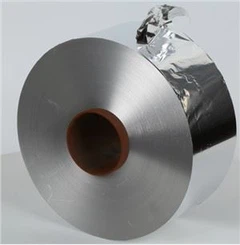


As a 3003 aluminum strip supplier, ensuring the quality of our products is of utmost importance. The 3003 aluminum strip is widely used in various industries, such as automotive, construction, and electronics, due to its excellent corrosion resistance, good formability, and moderate strength. In this blog, I will share some effective methods to test the quality of 3003 aluminum strip.
Visual Inspection
The first step in testing the quality of 3003 aluminum strip is a visual inspection. This is a simple yet crucial process that can reveal many potential issues. When conducting a visual inspection, look for the following:


- Surface Defects: Check for scratches, dents, pits, and cracks on the surface of the aluminum strip. These defects can affect the appearance and performance of the strip. For example, scratches can reduce the corrosion resistance of the aluminum, while cracks can lead to structural failure.
- Color and Finish: The color of the 3003 aluminum strip should be uniform, and the finish should be smooth. Any discoloration or uneven finish may indicate a problem with the manufacturing process or the quality of the raw materials.
- Edge Quality: Examine the edges of the aluminum strip. They should be straight and free from burrs. Jagged or rough edges can cause problems during processing and installation.
Dimensional Measurement
Accurate dimensional measurement is essential to ensure that the 3003 aluminum strip meets the required specifications. The following dimensions are typically measured:
- Thickness: Use a micrometer or a thickness gauge to measure the thickness of the aluminum strip. The thickness should be within the specified tolerance range. Deviations from the standard thickness can affect the strength and performance of the strip.
- Width: Measure the width of the strip using a ruler or a caliper. The width should also be within the specified tolerance. A non - standard width can cause fitting problems in applications.
- Length: For longer strips, measure the length to ensure it meets the required length. This is particularly important in applications where precise lengths are needed.
Chemical Composition Analysis
The chemical composition of the 3003 aluminum strip plays a significant role in its properties. A proper chemical composition analysis can confirm whether the strip is made of the correct alloy. There are several methods to analyze the chemical composition:
- Spectroscopic Analysis: This method uses a spectrometer to determine the elemental composition of the aluminum strip. It can accurately measure the percentage of various elements, such as aluminum, manganese, and other trace elements. By comparing the results with the standard composition of 3003 aluminum, we can ensure the quality of the strip.
- Chemical Testing: Chemical testing involves using specific reagents to react with the aluminum strip and analyze the resulting products. This method can also provide information about the chemical composition of the strip.
Mechanical Property Testing
The mechanical properties of the 3003 aluminum strip, such as tensile strength, yield strength, and elongation, are crucial for its performance in different applications. Here are some common mechanical property tests:
- Tensile Test: In a tensile test, a sample of the aluminum strip is pulled until it breaks. The test measures the maximum force the strip can withstand (tensile strength) and the amount of deformation it can undergo before breaking (elongation). The results of the tensile test can indicate the strength and ductility of the aluminum strip.
- Hardness Test: A hardness test measures the resistance of the aluminum strip to indentation. There are different types of hardness tests, such as the Brinell hardness test, Rockwell hardness test, and Vickers hardness test. The hardness of the strip can affect its wear resistance and machinability.
Corrosion Resistance Testing
Since the 3003 aluminum strip is often used in environments where corrosion is a concern, testing its corrosion resistance is vital. There are several methods to test corrosion resistance:
- Salt Spray Test: In a salt spray test, the aluminum strip is exposed to a salt - water mist for a certain period. After the test, the strip is examined for signs of corrosion, such as rust or pitting. The longer the strip can resist corrosion in the salt spray test, the better its corrosion resistance.
- Immersion Test: The immersion test involves immersing the aluminum strip in a corrosive solution for a specified time. Similar to the salt spray test, the strip is then inspected for corrosion damage.
Electrical Conductivity Testing
In some applications, such as electronics, the electrical conductivity of the 3003 aluminum strip is an important property. Electrical conductivity testing can be done using a conductivity meter. The electrical conductivity of the aluminum strip should be within the expected range for 3003 aluminum.
Impact Resistance Testing
Impact resistance testing is used to evaluate the ability of the 3003 aluminum strip to withstand sudden impacts. A common method is the Charpy impact test, where a notched sample of the aluminum strip is struck by a pendulum. The energy absorbed by the sample during the impact is measured, which can indicate the impact resistance of the strip.
Quality Control in the Supply Chain
As a 3003 aluminum strip supplier, we implement strict quality control measures throughout the supply chain. From the selection of raw materials to the final product inspection, every step is carefully monitored. We work closely with our raw material suppliers to ensure the quality of the aluminum ingots. During the manufacturing process, we use advanced production equipment and follow strict manufacturing processes to produce high - quality aluminum strips.
Applications of 3003 Aluminum Strip
The 3003 aluminum strip has a wide range of applications. For example, it is used in the automotive industry for Aluminum Strip for Cars Licence Plates due to its corrosion resistance and good formability. In the construction industry, it can be used for roofing, gutters, and siding. In the electronics industry, it is used for heat sinks and electrical components. Additionally, 1 Inch Aluminum Strip is a popular size for many applications.
Conclusion
Testing the quality of 3003 aluminum strip is a comprehensive process that involves multiple aspects, including visual inspection, dimensional measurement, chemical composition analysis, mechanical property testing, corrosion resistance testing, electrical conductivity testing, and impact resistance testing. By implementing these tests, we can ensure that our 3003 aluminum strips meet the highest quality standards.
If you are interested in purchasing high - quality 3003 aluminum strips, please feel free to contact us for further discussions. We are committed to providing you with the best products and services.
References
- ASM Handbook Committee. ASM Handbook, Volume 2: Properties and Selection: Nonferrous Alloys and Special - Purpose Materials. ASM International, 1990.
- Aluminum Association. Aluminum Standards and Data. Aluminum Association, 2023.
- ASTM International. ASTM Standards Related to Aluminum Alloys. ASTM International, 2023.