



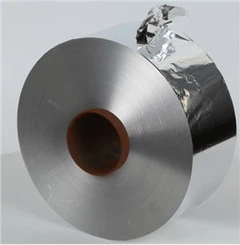


Hey there! I'm a supplier of 6-foot aluminum sheets, and I know how important it is to store these sheets properly to avoid warping. Warped aluminum sheets can be a real pain, not just for you but for your customers too. So, let's dive into some practical tips on how to store your 6-foot aluminum sheets and keep them in top-notch condition.


Understanding the Causes of Warping
Before we get into the storage methods, it's crucial to understand what causes aluminum sheets to warp. Aluminum is a relatively soft metal, and it can be affected by various factors such as temperature changes, humidity, and improper handling.
Temperature fluctuations can cause the aluminum to expand and contract. If the sheet is not stored in a stable environment, these changes can lead to warping. High humidity can also be a problem as it can cause corrosion and weaken the structure of the aluminum, making it more prone to warping.
Ideal Storage Conditions
The first step in preventing warping is to create the right storage environment. Here are some key points to keep in mind:
Temperature Control
Maintain a consistent temperature in the storage area. Aim for a temperature range between 60°F to 80°F (15°C to 27°C). Avoid storing the sheets in areas that are exposed to direct sunlight or near heating or cooling sources. Sudden temperature changes can stress the aluminum and cause it to warp.
Humidity Management
Keep the humidity level in check. A relative humidity of around 40% to 60% is ideal for storing aluminum sheets. You can use dehumidifiers or humidifiers to regulate the humidity, depending on the climate in your area. High humidity can lead to corrosion, which weakens the aluminum and makes it more likely to warp.
Ventilation
Proper ventilation is essential to prevent the buildup of moisture and fumes. Make sure the storage area has good air circulation. This can help to keep the temperature and humidity levels stable and reduce the risk of corrosion.
Storage Methods
Now that we've covered the ideal storage conditions, let's look at some effective storage methods:
Flat Storage
Storing the aluminum sheets flat is one of the best ways to prevent warping. Place the sheets on a flat, level surface, such as a pallet or a storage rack. Make sure the surface is clean and free of any debris or sharp objects that could damage the sheets.
If you're stacking multiple sheets, place a piece of cardboard or a soft material between each sheet to prevent scratching and to distribute the weight evenly. This will help to keep the sheets flat and prevent them from warping.
Vertical Storage
In some cases, vertical storage may be more practical, especially if you have limited space. However, it's important to ensure that the sheets are properly supported. Use a vertical storage rack with adjustable arms or brackets to hold the sheets in place.
Make sure the rack is sturdy and can support the weight of the sheets. The sheets should be held at a slight angle to allow any moisture to drain off. This will help to prevent corrosion and warping.
Wrapping and Covering
To protect the aluminum sheets from dust, moisture, and damage, it's a good idea to wrap them in a protective material. You can use plastic wrap, bubble wrap, or a specialized aluminum sheet cover.
When wrapping the sheets, make sure to cover all sides and edges. This will help to prevent scratches and corrosion. You can also use a moisture barrier to further protect the sheets from humidity.
Handling and Transportation
Proper handling and transportation are also important to prevent warping. Here are some tips:
Lifting and Moving
When lifting the aluminum sheets, use proper lifting equipment, such as a forklift or a hoist. Make sure the equipment is in good working condition and that the operator is trained to use it safely.
Avoid dragging the sheets across the floor or other surfaces, as this can cause scratches and damage. Instead, use a pallet or a cart to move the sheets.
Transportation
If you need to transport the aluminum sheets, make sure they are properly secured in the vehicle. Use straps or ropes to hold the sheets in place and prevent them from shifting during transit.
Avoid overloading the vehicle, as this can cause the sheets to bend or warp. Make sure the vehicle is equipped with a flatbed or a trailer that can support the weight of the sheets.
Choosing the Right Aluminum Sheet
Not all aluminum sheets are created equal. When choosing an aluminum sheet for storage, consider the following factors:
Alloy
Different aluminum alloys have different properties. Some alloys are more resistant to warping than others. For example, the 3000 series aluminum alloys, such as Aluminum Plate, are known for their good corrosion resistance and formability. The 3003 Aluminum Plate for storage tanks is a popular choice for storage applications, while the 3105 Aluminum Sheet for architectural is often used in architectural projects.
Thickness
Thicker aluminum sheets are generally more resistant to warping than thinner sheets. However, thicker sheets may also be heavier and more difficult to handle. Consider the specific requirements of your project when choosing the thickness of the aluminum sheet.
Conclusion
Storing 6-foot aluminum sheets properly is essential to avoid warping and to ensure that the sheets remain in good condition. By creating the right storage environment, using the appropriate storage methods, and handling the sheets carefully, you can minimize the risk of warping and ensure that your customers receive high-quality aluminum sheets.
If you're in the market for 6-foot aluminum sheets, or if you have any questions about storage or handling, feel free to reach out. We're here to help you find the best solutions for your needs. Let's start a conversation and see how we can work together to meet your aluminum sheet requirements.
References
- Aluminum Association. (n.d.). Aluminum Properties and Characteristics. Retrieved from [Aluminum Association Website]
- Manufacturer's guidelines for aluminum sheet storage and handling.