



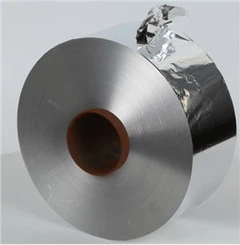


Hey there! I'm a supplier of painted aluminum sheets, and I've seen my fair share of these shiny products. Today, I want to share with you how to inspect painted aluminum sheets for defects. It's super important, whether you're a contractor, a DIY enthusiast, or just someone looking to buy these sheets for a project.
Why Inspect Painted Aluminum Sheets?
Painted aluminum sheets are used in a ton of applications, from building facades to interior decorations. Defects in these sheets can lead to all sorts of problems, like reduced durability, a bad appearance, and even safety issues. So, a proper inspection before you use or buy them is a must.
Visual Inspection
The first step in inspecting painted aluminum sheets is a good old - fashioned visual check. Here's what you need to look out for:


Surface Imperfections
- Scratches: These are probably the most common defect. Scratches can expose the underlying aluminum, which might lead to corrosion over time. Look closely at the surface under good lighting. If you see any visible scratches, note their size and location. Small scratches might be okay for some applications, but large ones can be a deal - breaker.
- Dents: Dents can occur during transportation or handling. They not only affect the appearance but can also weaken the sheet. Check the entire surface for any depressions. If the dent is deep, it might cause stress points in the sheet, which could lead to cracking later on.
- Bubbles: Bubbles in the paint can be a sign of improper painting or moisture getting trapped under the paint. They look like small bumps on the surface. If you find bubbles, it's a red flag as they can burst and leave the aluminum exposed.
Color Consistency
- The color of the painted aluminum sheet should be consistent across the entire surface. Any color variations can be a sign of poor painting quality. Compare different areas of the sheet, and if you notice significant differences in color, it might be a defective sheet.
Adhesion Testing
Another crucial aspect of inspecting painted aluminum sheets is to test the adhesion of the paint. A paint that doesn't adhere well will start to peel off, which is a major problem.
Tape Test
- You can use a simple tape test to check the adhesion. Cut a piece of high - quality adhesive tape and press it firmly onto the painted surface. Then, quickly pull the tape off at a 90 - degree angle. If a large amount of paint comes off with the tape, it means the adhesion is poor.
Cross - Hatch Test
- For a more detailed adhesion test, you can perform a cross - hatch test. Use a sharp blade to make a series of parallel cuts about 1mm apart on the painted surface, and then make another set of cuts perpendicular to the first ones, creating a grid pattern. Apply tape over the grid and pull it off as in the tape test. If more than a few small pieces of paint come off, the adhesion is suspect.
Thickness Measurement
The thickness of the painted layer is also an important factor. A proper thickness ensures good protection and durability.
Using a Coating Thickness Gauge
- You can use a coating thickness gauge to measure the thickness of the paint. Make sure to take multiple measurements at different points on the sheet. If the thickness varies significantly, it could indicate an uneven application of the paint.
Chemical Resistance
Painted aluminum sheets might be exposed to various chemicals in different environments. So, it's important to check their chemical resistance.
Spot Testing
- You can do a simple spot test by applying a small amount of a common chemical (like a mild detergent or a cleaning solution) on a small, inconspicuous area of the sheet. Wait for a few minutes and then wipe it off. Check if there are any changes in the paint, such as discoloration or softening.
Microscopic Inspection
For a more in - depth inspection, you can use a microscope. This can help you detect very small defects that are not visible to the naked eye.
Checking for Pigment Dispersion
- Under the microscope, you can check if the pigments in the paint are evenly dispersed. Uneven pigment dispersion can lead to color variations and reduced durability.
Special Considerations for Different Applications
Depending on the application of the painted aluminum sheets, there might be some additional inspection points.
Exterior Applications
- For exterior applications, the sheets need to be more resistant to weather conditions. Check for UV resistance, as prolonged exposure to sunlight can cause the paint to fade. Also, look for signs of corrosion protection, as the sheets will be exposed to rain, humidity, and other elements.
Interior Applications
- In interior applications, the appearance is often more important. Make sure there are no visible defects that would affect the aesthetic appeal. Also, check for any odors from the paint, as some low - quality paints can emit unpleasant smells.
Resources for Quality Painted Aluminum Sheets
If you're in the market for painted aluminum sheets, I'd like to share some great options. You can check out our Alloy 3000 series Painted Aluminum Coil. It's a high - quality product with excellent durability. We also have Color Coated Pre Painted Aluminum Coil Price For Sale, which offers a great range of colors at a competitive price. And if you're looking for something sturdier, our Solid Aluminum Alloy Plate is a great choice.
Conclusion
Inspecting painted aluminum sheets for defects is a crucial step to ensure you get a high - quality product. By following these steps, you can avoid using defective sheets and save yourself from potential problems down the road. If you have any questions or are interested in purchasing our painted aluminum sheets, feel free to reach out. We're here to help you make the best choice for your project.
References
- "Aluminum Surface Treatment and Finishing" - A comprehensive guide on aluminum finishing processes.
- "Painted Metal Coatings: Properties and Applications" - A technical resource on the properties and uses of painted metal coatings.