



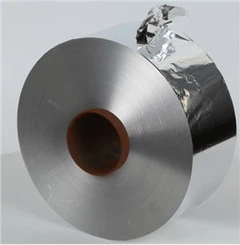


Forming aluminum sheet metal into complex shapes is a fascinating and challenging process that combines art and science. As a leading supplier of aluminum sheet metal, we have witnessed firsthand the incredible versatility and potential of this material. In this blog post, we will explore the various techniques and considerations involved in shaping aluminum sheet metal into complex geometries.
Understanding Aluminum Sheet Metal
Before delving into the forming process, it's essential to understand the properties of aluminum sheet metal. Aluminum is a lightweight, corrosion-resistant metal with excellent malleability and ductility. These characteristics make it an ideal choice for a wide range of applications, from automotive parts to aerospace components.
We offer a diverse selection of aluminum sheet metal products, including 1070 H14 Aluminum Sheet/Plate, 1100 Aluminum Sheet for Heat insulators, and High Strength Thin Aluminum Plate. Each product has unique properties that make it suitable for specific applications and forming processes.
Techniques for Forming Aluminum Sheet Metal
Bending
Bending is one of the most common methods for forming aluminum sheet metal. It involves using a press brake or other bending tools to create a specific angle or curve in the sheet. The process requires careful consideration of the material's thickness, grain direction, and bend radius to ensure a successful outcome.
When bending aluminum sheet metal, it's important to use the appropriate tooling and techniques to prevent cracking or deformation. For example, using a lower bending force and a larger bend radius can help reduce stress on the material and minimize the risk of damage.
Drawing
Drawing is a process used to create deep, three-dimensional shapes from aluminum sheet metal. It involves stretching the material over a die using a punch to form the desired shape. Drawing requires a high level of precision and control to ensure the material flows evenly and does not tear or wrinkle.
To achieve successful drawing results, it's crucial to select the right lubricant to reduce friction between the material and the die. Additionally, the die design must be carefully engineered to accommodate the material's flow characteristics and prevent excessive thinning or stretching.
Stamping
Stamping is a high-volume manufacturing process that uses a stamping press and a set of dies to cut, shape, and form aluminum sheet metal. It is commonly used for producing parts with complex geometries and precise dimensions, such as automotive body panels and electronic enclosures.
During the stamping process, the aluminum sheet metal is placed between the die and the punch, and a large force is applied to create the desired shape. The dies are typically made from hardened steel and are designed to withstand the high pressures involved in the stamping process.
Hydroforming
Hydroforming is a specialized forming technique that uses high-pressure fluid to shape aluminum sheet metal into complex geometries. It offers several advantages over traditional forming methods, including the ability to create parts with fewer seams, reduced tooling costs, and improved surface finish.
In hydroforming, the aluminum sheet metal is placed in a die cavity, and a high-pressure fluid is introduced to force the material against the die walls. The fluid pressure can be precisely controlled to achieve the desired shape and thickness distribution. Hydroforming is particularly well-suited for producing parts with intricate curves and contours.
Considerations for Forming Aluminum Sheet Metal
Material Selection
The choice of aluminum alloy and temper can have a significant impact on the forming process and the final product's properties. Different alloys have varying levels of strength, ductility, and formability, so it's important to select the right material for the specific application and forming method.
For example, 1000-series aluminum alloys are known for their excellent formability and corrosion resistance, making them a popular choice for applications that require extensive shaping. On the other hand, 6000-series alloys offer higher strength and are often used in structural applications where greater durability is required.
Tooling Design
The design of the forming tools, such as dies and punches, is critical to the success of the forming process. The tools must be carefully engineered to accommodate the material's properties and the desired shape, while also ensuring efficient production and minimal wear and tear.
Factors to consider when designing tooling for aluminum sheet metal forming include the material's thickness, grain direction, and stretchability. Additionally, the tooling must be made from high-quality materials and be properly heat-treated to withstand the high pressures and forces involved in the forming process.
Lubrication
Lubrication plays a crucial role in aluminum sheet metal forming by reducing friction between the material and the forming tools. This helps prevent scratching, galling, and other surface defects, while also improving the material's flow characteristics and reducing the risk of cracking.
There are several types of lubricants available for aluminum sheet metal forming, including oil-based, water-based, and dry film lubricants. The choice of lubricant depends on the specific forming method, the material being formed, and the desired surface finish.
Heat Treatment
Heat treatment can be used to enhance the formability and mechanical properties of aluminum sheet metal. Annealing, for example, is a heat treatment process that involves heating the material to a specific temperature and then slowly cooling it to relieve internal stresses and improve ductility.
In some cases, heat treatment may be performed before, during, or after the forming process to achieve the desired properties. However, it's important to carefully control the heat treatment parameters to avoid overheating or over-annealing the material, which can lead to reduced strength and other undesirable effects.
Quality Control in Aluminum Sheet Metal Forming
Ensuring the quality of the formed aluminum sheet metal products is essential to meet the requirements of customers and industries. Quality control measures should be implemented at every stage of the forming process, from material selection to final inspection.
Incoming Material Inspection
Before starting the forming process, it's important to inspect the incoming aluminum sheet metal for any defects or inconsistencies. This includes checking the material's thickness, surface finish, and chemical composition to ensure it meets the specified requirements.
Process Monitoring
During the forming process, it's essential to monitor key parameters such as temperature, pressure, and force to ensure they are within the acceptable range. This helps prevent defects and ensure consistent product quality.


Final Inspection
After the forming process is complete, the final products should be thoroughly inspected for dimensional accuracy, surface finish, and any signs of defects. This may involve using various inspection techniques, such as visual inspection, measuring tools, and non-destructive testing methods.
Conclusion
Forming aluminum sheet metal into complex shapes is a challenging but rewarding process that requires a combination of technical expertise, advanced equipment, and careful attention to detail. As a leading supplier of aluminum sheet metal, we are committed to providing our customers with high-quality products and comprehensive support to help them achieve their forming goals.
If you are interested in learning more about our aluminum sheet metal products or have specific forming requirements, we encourage you to contact us to discuss your needs. Our team of experts is ready to provide you with personalized solutions and guidance to help you succeed in your projects.
References
- ASM Handbook, Volume 14A: Metalworking: Bulk Forming. ASM International, 2013.
- Aluminum Association. Aluminum Design Manual. Aluminum Association, 2015.
- Dieter, G. E. Mechanical Metallurgy. McGraw-Hill Education, 2004.