



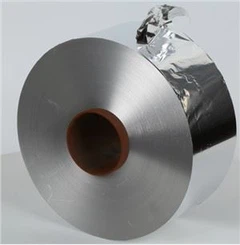


Hey there! As a supplier of Aluminum Plain Coils, I've seen firsthand how important it is to have strong and durable coils for various applications. In this blog post, I'm going to share some tips on how to increase the strength of aluminum plain coils.
Understanding the Basics of Aluminum Plain Coils
Before we dive into the ways to boost the strength of aluminum plain coils, let's quickly go over what they are. Aluminum plain coils are flat, rolled sheets of aluminum that are used in a wide range of industries, from construction to automotive. They're known for their lightweight, corrosion resistance, and malleability.
Alloy Selection
One of the first steps in increasing the strength of aluminum plain coils is choosing the right alloy. Different aluminum alloys have different properties, and some are stronger than others. For example, the 3003 Aluminum Coil is a popular choice because it has good strength, formability, and corrosion resistance. It contains manganese, which helps to improve its strength and workability.
Heat Treatment
Heat treatment is another effective way to increase the strength of aluminum plain coils. By heating the coils to a specific temperature and then cooling them at a controlled rate, you can change the structure of the aluminum, making it stronger. There are several types of heat treatment processes, such as annealing, quenching, and tempering. Each process has its own benefits and is used depending on the specific requirements of the coil.
Cold Working
Cold working involves deforming the aluminum plain coils at room temperature. This process can increase the strength of the coils by creating dislocations in the aluminum's crystal structure. Dislocations make it more difficult for the atoms to move, which results in a stronger material. Cold working can be done through processes like rolling, drawing, and extrusion.
Surface Treatment
Surface treatment can also play a role in increasing the strength of aluminum plain coils. Applying a protective coating to the surface of the coils can help to prevent corrosion and improve their durability. For example, the Coated Aluminum Coil for Aluminium Composite Panel has a special coating that provides additional protection against the elements.


Quality Control
Ensuring high-quality production is crucial for increasing the strength of aluminum plain coils. This includes using high-quality raw materials, following strict manufacturing processes, and conducting thorough quality checks. By maintaining high standards, you can produce coils that are strong and reliable.
Design Considerations
When using aluminum plain coils in a specific application, it's important to consider the design. The shape, thickness, and dimensions of the coil can all affect its strength. For example, if you're using the coil in a structural application, you may need to choose a thicker coil or design it in a way that distributes the load evenly.
Testing and Evaluation
Regular testing and evaluation are essential for ensuring the strength of aluminum plain coils. This can include mechanical testing, such as tensile testing and hardness testing, to measure the coil's strength and other properties. By conducting these tests, you can identify any issues early on and make adjustments to improve the strength of the coils.
Conclusion
Increasing the strength of aluminum plain coils is a multi-faceted process that involves alloy selection, heat treatment, cold working, surface treatment, quality control, design considerations, and testing. By following these tips, you can produce high-strength aluminum plain coils that meet the needs of your customers.
If you're in the market for high-quality aluminum plain coils, I'd love to talk to you. We have a wide range of products to choose from, and our team of experts can help you find the right solution for your specific needs. Don't hesitate to reach out and start a conversation about your procurement requirements.
References
- ASM Handbook, Volume 2: Properties and Selection: Nonferrous Alloys and Special-Purpose Materials
- Aluminum Association Technical Papers
- Journal of Materials Science and Technology