


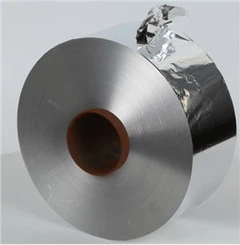


Welding an aluminum colored coil is a skill that requires knowledge, precision, and the right equipment. As a supplier of high - quality Aluminum Colored Coils, I understand the importance of providing comprehensive information on how to weld these coils effectively. In this blog, I'll guide you through the process step by step.
Understanding Aluminum Colored Coils
Before delving into the welding process, it's crucial to understand the nature of aluminum colored coils. These coils are made from aluminum, which is known for its lightweight, corrosion - resistant, and high - strength properties. The colored coating on the coils not only enhances their aesthetic appeal but also provides an additional layer of protection.
There are different types of aluminum alloys used in colored coils, such as 6061 and 3003. The 6061 Aluminum Coil for Building is a popular choice for construction projects due to its excellent strength - to - weight ratio and good formability. The Aluminium Coil for Acp is often used in aluminum composite panels, offering a smooth and durable finish. And the Hot Rolling Aluminum Coil 3003 is well - known for its good corrosion resistance and workability.
Pre - Welding Preparations
- Material Selection
- Choose the appropriate aluminum colored coil based on your project requirements. Consider factors such as the thickness of the coil, the alloy type, and the color finish. Make sure the coil is free from any surface contaminants like dirt, grease, or oxide layers.
- Safety Precautions
- Welding aluminum can be dangerous. Wear appropriate safety gear, including welding gloves, a welding helmet with a proper shade lens, flame - resistant clothing, and safety shoes. Ensure that the welding area is well - ventilated to prevent the inhalation of harmful fumes.
- Cleaning the Coil
- Use a stainless - steel wire brush to clean the surface of the aluminum colored coil. This will remove any oxide layer that may have formed on the surface. Oxide layers can prevent proper welding and lead to weak joints. After brushing, wipe the surface with a clean, dry cloth.
- Fixturing
- Secure the aluminum colored coil in place using clamps or fixtures. This will prevent the coil from moving during the welding process, ensuring a more precise and consistent weld.
Welding Methods for Aluminum Colored Coils
- Tungsten Inert Gas (TIG) Welding
- TIG welding is a popular method for welding aluminum colored coils. It offers precise control over the welding process, resulting in high - quality welds.
- Equipment Setup
- Use a TIG welding machine with a high - frequency start. Set the appropriate amperage based on the thickness of the aluminum coil. For thinner coils, lower amperages are required, while thicker coils need higher amperages.
- Select a pure tungsten electrode for aluminum welding. The electrode should be ground to a point for better arc stability.
- Use an inert gas, typically argon, to shield the weld area from atmospheric contamination.
- Welding Process
- Start the arc by activating the high - frequency start function. Hold the tungsten electrode at a 15 - 20 - degree angle to the workpiece.
- Feed the filler rod into the weld pool at a steady rate. The filler rod should be of the same alloy as the aluminum coil to ensure a strong bond.
- Move the torch in a slow, steady motion along the joint. Keep the arc length consistent to maintain a stable weld.
- Metal Inert Gas (MIG) Welding
- MIG welding is another option for welding aluminum colored coils. It is faster than TIG welding and is suitable for larger projects.
- Equipment Setup
- Use a MIG welding machine with a spool gun. The spool gun helps to feed the aluminum wire smoothly, as aluminum wire is more flexible and prone to tangling.
- Set the appropriate wire feed speed and voltage based on the thickness of the coil.
- Use an argon - based shielding gas, such as 100% argon or a mixture of argon and helium.
- Welding Process
- Position the spool gun at a 10 - 15 - degree angle to the workpiece.
- Start the welding process by pulling the trigger on the spool gun. The wire will be fed into the weld pool automatically.
- Move the spool gun in a straight line along the joint, maintaining a consistent travel speed.
Post - Welding Considerations
- Cooling
- Allow the welded joint to cool naturally. Do not quench the weld with water, as this can cause cracking and reduce the strength of the weld.
- Inspection
- Inspect the weld for any defects, such as cracks, porosity, or incomplete fusion. If any defects are found, they should be repaired immediately.
- Finishing
- After the weld has cooled and been inspected, you can finish the welded area. This may involve grinding the weld to make it smooth or applying a protective coating to match the color of the coil.
Troubleshooting Common Welding Problems
- Porosity
- Porosity in the weld can be caused by improper shielding gas flow, dirty filler rod, or a contaminated workpiece. To fix this, check the gas flow rate, clean the filler rod, and ensure the workpiece is clean.
- Cracking
- Cracking can occur due to excessive heat input, rapid cooling, or improper filler metal selection. Adjust the welding parameters, such as amperage and travel speed, and choose the appropriate filler metal.
- Incomplete Fusion
- Incomplete fusion happens when the weld does not fully penetrate the joint. This can be caused by insufficient heat or improper torch angle. Increase the amperage or adjust the torch angle to ensure proper fusion.
Conclusion
Welding an aluminum colored coil requires careful preparation, the right welding method, and attention to detail. By following the steps outlined in this blog, you can achieve high - quality welds that meet your project requirements.
As a supplier of Aluminum Colored Coils, we are committed to providing you with the best products and technical support. If you are interested in purchasing our aluminum colored coils or have any questions about the welding process, please feel free to contact us for further discussion. We look forward to serving you and helping you with your projects.


References
- AWS Welding Handbook, Volume 2: Welding Processes. American Welding Society.
- Aluminum Association. Aluminum Design Manual.