



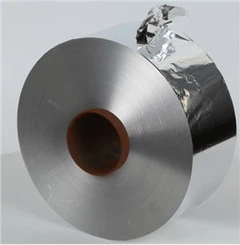


Aluminum checked plates are a versatile and widely used material in various industries, thanks to their durability, corrosion resistance, and distinctive appearance. As a supplier of Aluminum Checked Plates, I often get asked about the recyclability of these products. In this blog post, I'll explore the recyclability of aluminum checked plates, the recycling process, and the benefits of recycling.
Can Aluminum Checked Plates Be Recycled?
The short answer is yes, aluminum checked plates can be recycled. Aluminum is one of the most recyclable materials on the planet. It can be recycled indefinitely without losing its inherent properties. This makes aluminum a sustainable choice for a wide range of applications, including checked plates used in construction, transportation, and industrial settings.
The recyclability of aluminum checked plates is due to the unique properties of aluminum itself. Aluminum has a relatively low melting point compared to other metals, which means it can be easily melted down and reused. Additionally, the recycling process for aluminum requires significantly less energy compared to producing new aluminum from bauxite ore. In fact, recycling aluminum uses only about 5% of the energy needed to produce new aluminum, making it an environmentally friendly option.
The Recycling Process for Aluminum Checked Plates
The recycling process for aluminum checked plates typically involves the following steps:


- Collection: The first step in the recycling process is to collect the aluminum checked plates. This can be done through various channels, such as scrap metal yards, recycling centers, or directly from businesses and industries that use aluminum checked plates.
- Sorting: Once the aluminum checked plates are collected, they are sorted based on their alloy type and purity. Different aluminum alloys have different properties and uses, so it's important to separate them during the sorting process.
- Shredding: After sorting, the aluminum checked plates are shredded into small pieces. This increases the surface area of the aluminum, making it easier to melt down.
- Melting: The shredded aluminum pieces are then melted in a furnace at high temperatures. During the melting process, impurities are removed from the aluminum, resulting in a pure aluminum ingot.
- Casting: The molten aluminum is then cast into new shapes, such as sheets, bars, or ingots. These new aluminum products can be used to manufacture a variety of items, including new aluminum checked plates.
Benefits of Recycling Aluminum Checked Plates
Recycling aluminum checked plates offers several benefits, both for the environment and the economy. Here are some of the key benefits:
- Environmental Benefits: Recycling aluminum reduces the demand for new aluminum production, which in turn reduces the environmental impact associated with mining and refining bauxite ore. Mining bauxite ore can cause deforestation, soil erosion, and water pollution. By recycling aluminum, we can conserve natural resources and reduce our carbon footprint.
- Energy Savings: As mentioned earlier, recycling aluminum requires significantly less energy compared to producing new aluminum from bauxite ore. This energy savings translates into reduced greenhouse gas emissions and a more sustainable energy future.
- Economic Benefits: Recycling aluminum creates jobs in the recycling and manufacturing industries. Additionally, the recycled aluminum can be sold at a lower cost compared to new aluminum, making it an attractive option for businesses and consumers.
- Resource Conservation: Aluminum is a finite resource, and recycling helps to conserve this valuable material. By recycling aluminum checked plates, we can ensure that this resource is used efficiently and sustainably.
Applications of Recycled Aluminum Checked Plates
Recycled aluminum checked plates can be used in a variety of applications, just like new aluminum checked plates. Some common applications include:
- Construction: Aluminum checked plates are commonly used in construction for flooring, stair treads, ramps, and other applications where slip resistance is important.
- Transportation: Aluminum checked plates are used in the transportation industry for truck beds, trailers, and other applications where durability and corrosion resistance are required.
- Industrial: Aluminum checked plates are used in industrial settings for platforms, walkways, and other applications where safety and durability are important.
Where to Find Aluminum Checked Plates
If you're in the market for aluminum checked plates, you can find a wide range of products on our website. We offer a variety of Aluminium Checker Plate options, including Aluminum Diamond Checked Plate For Roof and 5052 Aluminum Checker Plate for floor. Our aluminum checked plates are made from high-quality recycled aluminum, ensuring both sustainability and performance.
Contact Us for Purchasing
If you're interested in purchasing aluminum checked plates, we'd love to hear from you. Our team of experts can help you choose the right product for your needs and provide you with a competitive quote. Whether you're a contractor, a manufacturer, or a DIY enthusiast, we have the aluminum checked plates you need.
Conclusion
In conclusion, aluminum checked plates can be recycled, and recycling offers numerous benefits for the environment and the economy. By choosing recycled aluminum checked plates, you can contribute to a more sustainable future while still enjoying the durability and performance of this versatile material. If you have any questions or would like to learn more about our aluminum checked plates, please don't hesitate to contact us. We look forward to working with you.
References
- Aluminum Association. (n.d.). Aluminum Recycling. Retrieved from [Aluminum Association Website]
- Earth911. (n.d.). Aluminum Recycling: How It Works and Why It Matters. Retrieved from [Earth911 Website]
- Recycling Today. (n.d.). Aluminum Recycling: A Success Story. Retrieved from [Recycling Today Website]