



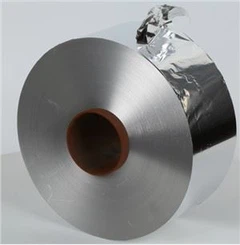


Are there any special storage requirements for aluminum strips?
As a supplier of aluminum strips, I often get asked about the proper storage conditions for these products. Aluminum strips are widely used in various industries due to their excellent properties such as high corrosion resistance, good electrical conductivity, and lightweight. However, to maintain their quality and performance, it is crucial to store them correctly.
1. Temperature and Humidity
Temperature and humidity are two of the most important factors to consider when storing aluminum strips. Aluminum is a metal that can be affected by environmental conditions. High humidity can lead to the formation of oxidation on the surface of the aluminum strips, which not only affects the appearance but also may reduce the performance of the strips.
Ideally, the storage temperature should be between 10°C and 30°C. This temperature range helps to prevent the aluminum from expanding or contracting too much, which could potentially cause warping or other physical damage. In terms of humidity, it is recommended to keep the relative humidity below 60%. If the humidity is too high, it is advisable to use dehumidifiers in the storage area to control the moisture level.
2. Protection from Physical Damage
Aluminum strips are relatively soft compared to some other metals, so they are prone to scratches, dents, and other forms of physical damage. When storing aluminum strips, it is important to ensure that they are not stacked too tightly or placed in a way that they can be easily knocked or bumped.
One effective way to protect the aluminum strips is to use protective packaging. For example, we can wrap the strips with plastic film or place them in cardboard boxes. This not only protects the strips from physical damage but also helps to prevent dust and other contaminants from adhering to the surface.
3. Avoidance of Chemical Exposure
Aluminum can react with certain chemicals, which can cause corrosion or other forms of damage. Therefore, it is essential to store aluminum strips away from chemicals such as acids, alkalis, and salts.
In the storage area, it is important to keep the aluminum strips separate from other materials that may release harmful chemicals. For example, if there are any chemical storage areas nearby, the aluminum strips should be stored in a different part of the warehouse to avoid any potential chemical reactions.
4. Stacking and Support
Proper stacking and support are also important for the storage of aluminum strips. When stacking the strips, it is important to ensure that the stacks are stable and do not exceed the recommended height. If the stacks are too high, there is a risk of the strips toppling over, which can cause damage.
In addition, it is recommended to use appropriate support structures such as pallets or racks. These support structures help to distribute the weight evenly and prevent the strips from bending or warping.
5. Storage in a Clean Environment
A clean storage environment is essential for maintaining the quality of aluminum strips. Dust, dirt, and other contaminants can adhere to the surface of the strips, which can affect their appearance and performance.
Regular cleaning of the storage area is necessary to remove any dust or debris. In addition, it is important to ensure that the storage area is well-ventilated to prevent the accumulation of fumes or other harmful substances.

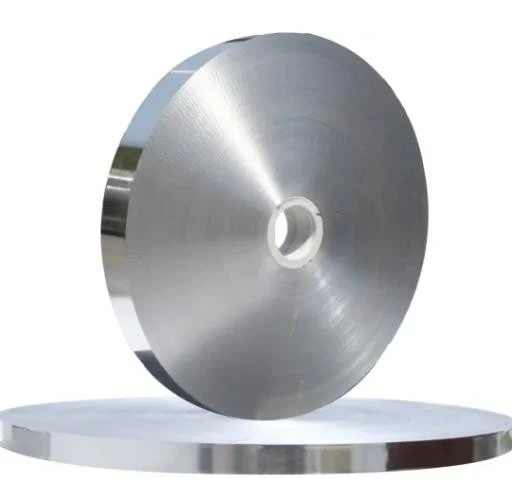
Our Aluminum Strip Products
As a supplier, we offer a wide range of aluminum strips, including 1060 Aluminum Strip Coil. This type of aluminum strip is made from high-quality 1060 aluminum alloy, which has excellent corrosion resistance and high ductility. It is widely used in various industries such as electronics, packaging, and construction.
We also provide Pure Aluminum Strip. Pure aluminum strips are known for their high purity and good electrical conductivity. They are often used in applications where high electrical performance is required, such as in electrical wiring and circuit boards.
Another popular product is Aluminum Strip for Cars Licence Plates. This type of aluminum strip is specifically designed for use in car license plates. It has good strength and durability, and can withstand the harsh environmental conditions.
Conclusion
In conclusion, there are several special storage requirements for aluminum strips. By paying attention to temperature, humidity, physical damage, chemical exposure, stacking, and the cleanliness of the storage environment, we can ensure that the aluminum strips maintain their quality and performance.
If you are interested in our aluminum strip products or have any questions about storage or other aspects, please feel free to contact us for further discussion and potential procurement. We are committed to providing high-quality products and excellent service to our customers.
References
- ASM Handbook, Volume 2: Properties and Selection: Nonferrous Alloys and Special-Purpose Materials.
- Aluminum Association Technical Publications.
- ASTM Standards related to aluminum materials.