



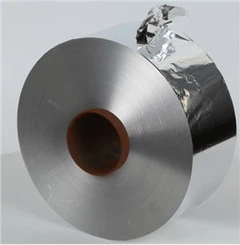


1.Material: Aluminum alloy 6063, 6061.
2.Temper: T5, T6.
3.Quality standard: DIN; AAMA; AS/NZS; CHINAGB.
4.Surface treatment: Mill finish, anodized, powder coated, wood grain,...
Aluminum Tube
Company Profile
Qinghai Shuanglin Jiate Metal Technology Co., Ltd. was established in September 1997, Zhejiang Shuanglin Jiate Metal Technology is professional Chinese aluminum sheet, aluminum strip,aluminum foil,aluminum circle,aluminum plate ,aluminum coil ,aluminum discs and aluminum tube manufacturer .Bearing producing first-class quality aluminium products as our task, having good faith as our belief, offering high efficiency service as our standard, we Jiate Metal will always keep on servicing for worldwide clients.
We have mills as continue cast,hot rolling,cold roJinding Aluminium Industry Group includes aluminium research and development,design,manufacture and export trading, was contributived by Hongkong Jinding International Group. We own one hot rolling production line with width 2500mm, two cold rolling mill with width 1800mm, foil rough rolling mill with width 1650mm, foil finish rolling mill with 1600mm, 8x20T annealed, tension leveled machine, cut machine and clean equipment. Our main products include aluminium sheet,aluminum coil,aluminum strip,aluminium foil and related coating process, aluminium profile for industry, aluminium strip for cable and water pipe, fin stock, decorate foil, aluminium circle for cookware. We have two large-scale rolling mills with width 2500mm and related machines. We adopt international advanced technique produce aluminium products, which can ensure our quality.
Why choose us?
High quality
Our products are manufactured or executed to very high standards, using the finest materials and manufacturing processes.
Long warranty
The long-term warranty is designed to give consumers more confidence that their purchases and services will continue to be valid.
Professional team
Our professional team collaborate and communicate effectively with one another, and are committed to delivering high-quality results. They are capable of handling complex challenges and projects that require their specialized expertise and experience.
Rich experience
Dedicated to strict quality control and attentive customer service, our experienced staff is always available to discuss your requirements and ensure complete customer satisfaction.
-
![Aluminum Round Tube For Couplers]()
-
![6063 Aluminum Tube For Railings]() 6063 Aluminum Tube For Railings1.Material: Aluminum alloy 6063, 6061.read more
6063 Aluminum Tube For Railings1.Material: Aluminum alloy 6063, 6061.read more
2.Temper: T5, T6.
3.Quality standard: DIN; AAMA; AS/NZS; CHINAGB.
4.Surface treatment: Mill finish, anodized, powder coated, wood grain,... -
![6063 Aluminum Rectangular Rod Tube]() 6063 Aluminum Rectangular Rod Tube· Support columnsread more
6063 Aluminum Rectangular Rod Tube· Support columnsread more
· Framework
· Fencing
· Truck beds
· Aircraft construction and components
· Marine fittings
· Automotive components like... -
![6061 And 6063 Aluminum Square Tube]() 6061 And 6063 Aluminum Square TubeModel NO.read more
6061 And 6063 Aluminum Square TubeModel NO.read more
Aluminum Tube
Alloying Ingredient
6063
Product Name
Anodized Aluminum Tube/Aluminum Round Tube/Aluminum
Material -
![6063 Aluminum Tube]() 6063 Aluminum TubeAluminum Tuberead more
6063 Aluminum TubeAluminum Tuberead moreAlloying Ingredient
6063
Product Name
Anodized Aluminum Tube/Aluminum Round Tube/Aluminum
...
-
![Thin Wall Aluminum TubeThin Wall Aluminum Tube]() Thin Wall Aluminum TubeThin Wall Aluminum TubeAluminum tubes may be cylindrical or square in shape, and they vary in terms of outside diameter (OD), inside diameter (ID) and alloy type. Aluminum tubing can be formed by a number of processes,...read more
Thin Wall Aluminum TubeThin Wall Aluminum TubeAluminum tubes may be cylindrical or square in shape, and they vary in terms of outside diameter (OD), inside diameter (ID) and alloy type. Aluminum tubing can be formed by a number of processes,...read more -
![Anodized Aluminum Round Tube]() Anodized Aluminum Round TubeFAQ: Q: What is the minimum order quantity? A: 5 tons. Q: What is delivery time? A: 30 days after deposit. Except for public holidays. Q: How can you guarantee the quality? A: We have rigorous...read more
Anodized Aluminum Round TubeFAQ: Q: What is the minimum order quantity? A: 5 tons. Q: What is delivery time? A: 30 days after deposit. Except for public holidays. Q: How can you guarantee the quality? A: We have rigorous...read more -
![Aluminum Round Tube]() Aluminum Round TubeFeatures of Aluminum Tubes and Pipes Aluminum grade: 1 Series: 1050, 1060, 1070, And 1100 Aluminum alloy: 2014(A), 2024(A), 3003, 3004, 3105, 5052, 5083, 6005, 6061, 6063, 6082, 7005, 7075 etc....read more
Aluminum Round TubeFeatures of Aluminum Tubes and Pipes Aluminum grade: 1 Series: 1050, 1060, 1070, And 1100 Aluminum alloy: 2014(A), 2024(A), 3003, 3004, 3105, 5052, 5083, 6005, 6061, 6063, 6082, 7005, 7075 etc....read more -
![Aluminum Round Extrusion Tube]() Aluminum Round Extrusion TubeAluminum Round Extrusion Tube FAQ: Q: What is the minimum order quantity? A: 5 tons. Q: What is delivery time? A: 30 days after deposit. Except for public holidays. Q: How can you guarantee the...read more
Aluminum Round Extrusion TubeAluminum Round Extrusion Tube FAQ: Q: What is the minimum order quantity? A: 5 tons. Q: What is delivery time? A: 30 days after deposit. Except for public holidays. Q: How can you guarantee the...read more -
![Aluminum Tube Stock]() Aluminum Tube StockAluminum Tube Stock FAQ: Q: What is the minimum order quantity? A: 5 tons. Q: What is delivery time? A: 30 days after deposit. Except for public holidays. Q: How can you guarantee the quality? A:...read more
Aluminum Tube StockAluminum Tube Stock FAQ: Q: What is the minimum order quantity? A: 5 tons. Q: What is delivery time? A: 30 days after deposit. Except for public holidays. Q: How can you guarantee the quality? A:...read more -
![Aluminum Anodizing Extruded Tube]() Aluminum Anodizing Extruded TubeAluminum Anodizing Extruded Tube Application: For printer, copier machine, Auto parts Dimension: Customized dimension, OEM & ODM Color: Black, natural, or Customized Surface treatment:...read more
Aluminum Anodizing Extruded TubeAluminum Anodizing Extruded Tube Application: For printer, copier machine, Auto parts Dimension: Customized dimension, OEM & ODM Color: Black, natural, or Customized Surface treatment:...read more -
![Aluminum Alloy Extrusion Tube]() Aluminum Alloy Extrusion TubeAluminum Alloy Extrusion Tube 1, Specification: Various size as customer's requirements 2, Material: A6063, A6061, A3003 and other series alu alloy 3, Surface treatment: Anodizing, polishing,...read more
Aluminum Alloy Extrusion TubeAluminum Alloy Extrusion Tube 1, Specification: Various size as customer's requirements 2, Material: A6063, A6061, A3003 and other series alu alloy 3, Surface treatment: Anodizing, polishing,...read more


Aluminum tubes may be cylindrical or square in shape, and they vary in terms of outside diameter (OD), inside diameter (ID) and alloy type. Aluminum tubing can be formed by a number of processes, including roll-forming, extrusion and CNC-machining.
What is Aluminum Tube
An aluminium tube is usually a hollow pipe made of pure aluminium or aluminium alloy. It can be circular, rectangular, square or elliptical and is available in different diameter sizes and wall thicknesses.
Benefits of Aluminum Tube
Corrosion resistant
Of all the advantages brought by aluminum, none are more important than corrosion resistance. This metal can fight rust far better than most of the popular metals, which is why it’s often selected for a variety of outdoor and aquatic applications.
Lightweight
While other metals may be stronger, aluminum has a clear advantage in overall weight. Steel, for example, weighs much more than aluminum. Iron is also much heavier; aluminum is roughly a third of the weight compared to iron.
Sound insulating
Sound control can be important for a variety of reasons, and while aluminum tubing may not be considered a sound-control material (like sound-insulating drywall, for example), it does have the ability to reduce sounds from one area to another.
Heat and flame resistant
Aluminum tubes also have heat-insulation properties and can be used when even temperatures are required for an industrial or mechanical structure.
Long-term durability
Aluminum is specifically manufactured to resist corrosion, which not only keeps it strong but also ensures long-term durability. Builders, manufacturers, and industrial experts who need metal tubing that will last for decades often turn to aluminum, assuming the greater strength of steel is not required.
Malleable
Aluminum is one of the most versatile metals currently available, which is why aluminum tubing is so popular. This metal can be formed into a variety of different shapes and sizes, and it’s generally easy (and relatively affordable) to work with. This makes aluminum the ideal choice for applications where malleability is important.
Recyclable
Many companies are adopting eco-friendly practices, which include the use of recyclable materials. Because aluminum tubing can be recycled, extra material, such as cut-off ends, can be recycled instead of going into the landfill.
Types of Aluminum Tube
01/
Seamless aluminum tubes
Seamless aluminum tubes are a remarkable engineering feat, distinguished by their smooth, uninterrupted surface and exceptional structural integrity. These tubes are manufactured through a precise and intricate process known as extrusion and piercing.
02/
Heat-exchanger tubes
Heat exchanger tubes are purposefully designed to facilitate the efficient transfer of heat between two fluid mediums in various industrial and commercial applications. These tubes have specific features that optimize heat transfer and are crucial components in heat exchange systems.
03/
Welded aluminum tubes
Welded aluminum tubes, in contrast to seamless tubes, are crafted by joining two or more aluminum sections through a welding process. This process involves heating the edges of the aluminum sections until they melt and fuse, creating a strong, continuous joint. The most common welding methods for aluminum tubes are TIG (Tungsten Inert Gas) and MIG (Metal Inert Gas) welding, both of which offer precise control over the welding process to ensure a secure connection.
04/
Extruded aluminum tubes
Extruded aluminum tubes are crafted through a specialized manufacturing process known as extrusion. This process begins with a cylindrical billet of aluminum, typically a specific alloy chosen for its properties, such as 6061 or 6063. The billet is heated to a malleable state and then forced through a die, which imparts the desired shape to the aluminum as it emerges on the other side. Extrusion enables the creation of aluminum tubes with a wide range of shapes, sizes, and cross-sectional profiles, including circular, rectangular, and square.
05/
Drawn aluminum tubes
Drawn aluminum tubes are created through a precision manufacturing process known as cold drawing. This method starts with a solid aluminum billet or a previously extruded tube. The billet or tube is cleaned and coated with a lubricant to reduce friction. It is then pulled through a series of dies with progressively smaller diameters. As the aluminum passes through these dies, it is cold-worked, reshaping at room temperature. This process continues until the tube reaches its desired dimensions and smoothness.
06/
Structural aluminum tubes
Structural aluminum tubes are distinguished by their exceptional structural integrity and strength-to-weight ratio. These tubes are designed and manufactured to withstand heavy loads, making them a vital component in various industries and applications where structural stability is paramount. Their unique properties stem from using high-strength aluminum alloys, such as 6061 and 6063, combined with precise manufacturing processes.
Application of Aluminum Tube


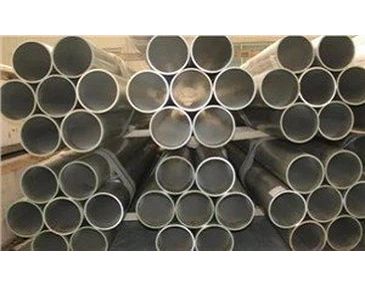
Aerospace
In the aerospace sector, the lightweight nature of aluminum makes it indispensable for components like fuselages, wing structures, and engine parts. The material’s high strength-to-weight ratio contributes to the overall efficiency and safety of the aircraft. For instance, the Boeing 747 is primarily made of aluminum. This is akin to an athlete wearing lightweight but sturdy gear to optimize performance without compromising safety.
Automotive
In automotive design and manufacturing, aluminum tubes and pipes are used extensively to reduce vehicle weight, improving fuel efficiency and reducing emissions. They are found in frames, engine components, exhaust, and cooling systems. Think of using aluminum in cars, like opting for a light yet durable backpack for a long hike; it makes the journey easier without sacrificing essential functions.
Construction
In construction, aluminum tubes are often used in scaffolding, framework, and railings. Pipes are commonly employed for plumbing and HVAC systems. The material’s corrosion resistance is especially beneficial in this context, as it ensures a longer lifespan for the structure. Imagine constructing a building using Lego bricks; if those bricks were made of aluminum, you’d have a robust, long-lasting structure that could withstand various environmental challenges.
Plumbing
Aluminum tubes are also found in industrial plumbing where lightweight, corrosion-resistant material is needed. These tubes are especially useful for carrying water, chemicals, or gases in manufacturing plants, chemical facilities, and wastewater treatment centers. It’s similar to choosing stainless steel utensils for cooking acidic foods; the material’s properties make it suitable for specific tasks that other materials might not handle as well.
Furniture and decorative pieces
Aluminum tubes construct modern, lightweight furniture such as chairs, tables, and bed frames. The material’s malleability allows for intricate designs, making it a favorite for decorative pieces. Imagine aluminum furniture as the sleek, modern decor in a contemporary art gallery; it complements the space without overpowering it and offers functional benefits like ease of movement.
Railings and fencing
Aluminum tubes are extensively used to construct railings and fences. Their corrosion resistance makes them particularly useful for outdoor installations exposed to the elements. For instance, aluminum railings along a staircase or balcony are functional and add an aesthetic touch. They serve a dual purpose, much like a well-designed garden fence that keeps out intruders while beautifying the property.
Exercise equipment
Aluminum tubes are frequently used to manufacture exercise equipment like weightlifting bars, treadmill frames, and stationary bicycle structures. The lightweight yet sturdy material makes it ideal for equipment that needs to support significant weight while still being easy to move or adjust. In this context, aluminum serves as the backbone of the exercise equipment, much like the metal frame of a climbing wall: strong enough to support climbers but light enough for easy installation and adjustment.
How to Maintain Aluminum Tube
Cleaning solution
When cleaning aluminum, it’s important to use the right solution. Avoid using abrasive cleaners such as steel wool or scouring pads, as these can scratch the surface of the aluminum and cause damage. Instead, use a mild detergent with warm water and a soft cloth or sponge. This will help remove any dirt and grime without damaging the metal itself.
Polishing your aluminum
If your aluminum has become dull or tarnished over time, you may want to give it some extra shine by polishing it. To do this, you’ll need a specialized metal polish specifically designed for use on aluminum. Apply the polish with a soft cloth in small circular motions until you’ve achieved the desired level of shine. Be sure not to use too much pressure when buffing; otherwise, you risk scratching the surface of your aluminum.
Protecting aluminum from damage
It’s also important to take steps to protect your aluminum from damage to maintain its beauty for years to come. One way is by applying a protective coating such as wax or oil after cleaning and polishing. This will provide an extra layer of protection against scratches, stains, and other wear and tear forms that could damage your metal surfaces over time.
Distinction Between Aluminum Pipes and Tubes
Shape: Round vs. Square/rectangular
While “pipe” and “tube” are often used interchangeably, their shapes typically differ. Aluminum pipes are usually round and are designed to carry fluids or gases. In contrast, aluminum tubes can be round, square, or rectangular and are often used in structural applications. Think of pipes as analogous to veins in the human body, designed for flow, while tubes are more like the bones, providing structural support.
Wall thickness
Another difference lies in the wall thickness. Pipes generally have a standardized wall thickness to ensure unobstructed flow and are measured by their internal diameter. Tubes, on the other hand, are usually available in a variety of wall thicknesses and are often measured by their external diameter. The variations in wall thickness in tubes make them suitable for applications requiring different levels of strength and rigidity. It’s akin to choosing different types of rope for different tasks; a thicker rope might be used for heavy lifting, while a thinner one may be used for tying knots.
Dimensional tolerances
Pipes usually have more stringent dimensional tolerances than tubes. This is because even a small variation in the diameter of a pipe could significantly affect the flow rate of the fluid or gas it’s carrying. Tubes are generally more forgiving in their dimensional tolerances, as they are often used in applications where such stringent controls are not as necessary. Imagine building a Lego tower; you need each piece to fit precisely to ensure stability (like pipes), but you have more freedom when choosing decorative elements (like tubes).
Applications
Pipes are primarily designed to transport liquids or gases and are thus common in plumbing, HVAC systems, and chemical processing plants. Tubes are useful in broader applications, from bicycle frames and furniture to aerospace components. Essentially, pipes are like the arteries and veins in a city’s infrastructure, conducting water or gas from one point to another. At the same time, tubes serve multiple purposes and can be found in various aspects of construction, machinery, and more.
Things to Note When Choosing an Aluminum Tube
Application-specific requirements
The selection of aluminum tubes is intricately linked to the specific requirements of their intended use. Different applications necessitate varying characteristics, such as strength, corrosion resistance, thermal conductivity, and dimensional precision. For example, in the aerospace industry, where lightweight and high strength is paramount. Conversely, in architectural applications, extruded aluminum tubes offer the versatility to create custom shapes and designs for building structures. Understanding the unique demands of the application is crucial to selecting the right type to ensure optimal performance and reliability.
Cost and budget
The cost can vary significantly depending on the type, alloy, dimensions, and manufacturing processes involved. Seamless tubes, for instance, are generally more expensive due to the complex manufacturing method. Conversely, welded or drawn tubes may be more cost-effective alternatives for certain applications. Consideration of the budget constraints is vital, especially in industries where cost efficiency is a driving factor. A key decision point is balancing the desired properties and performance with the available budget.
Alloy selection
The choice of aluminum alloy is paramount when selecting tubes, as different alloys offer distinct properties. 6061 aluminum is chosen for its strength and durability in structural applications, while 6063 is preferred for its exceptional extrudability. 7075 aluminum excels in aerospace and high-performance sports equipment due to its superior strength-to-weight ratio. The right alloy selection ensures the tubes meet the application’s performance, safety, and longevity requirements.
Diameter and thickness
The dimensions of aluminum tubes, including their diameter and thickness, are critical factors in tube selection. These dimensions directly impact the tubes’ load-bearing capacity, heat transfer capabilities, and resistance to external forces. The diameter and thickness of structural aluminum tubes determine their ability to support the weight of buildings. In heat exchanger systems, the dimensions affect the efficiency of heat transfer. Therefore, an accurate assessment of the required dimensions based on the application’s demands is essential.
Certifications

Our Factory
Our main products include aluminium sheet,aluminum coil,aluminum strip,aluminium foil and related coating process, aluminium profile for industry, aluminium strip for cable and water pipe, fin stock, decorate foil, aluminium circle for cookware. We have two large-scale rolling mills with width 2500mm and related machines. We adopt international advanced technique produce aluminium products, which can ensure our quality.


FAQ
We're well-known as one of the leading aluminum tube manufacturers and suppliers in China. Our factory offers high quality aluminum tube made in China with competitive price. Welcome to contact us for wholesale service.
Aluminum Round Extrusion Tube, Aluminum Anodizing Extruded Tube, Aluminum Round Tube