



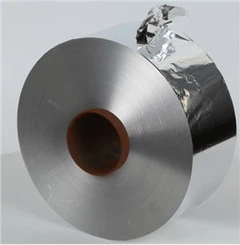


Aesthetics: Keeping aluminum clean is essential to maintaining its appearance. Over time, aluminum can lose its luster and discolor due to exposure to certain elements or accumulation of dirt, grime, and oxides. Regular cleaning can restore its luster and ensure it looks great.
Prevents Corrosion: Aluminum corrodes easily, especially when exposed to outdoor environments and certain chemicals. Cleaning removes contaminants that can accelerate the corrosion process. This extends the life of aluminum products and avoids frequent repairs or replacements.
Health and Safety Considerations: It is essential to clean aluminum products, such as cookware and tableware, to ensure that their surfaces are free of residue, contaminants, or bacteria. This is especially important in the food industry, where cleanliness and sanitation are paramount.
Improves Efficiency: Proper cleaning ensures heat transfer and optimal performance in applications where aluminum comes in contact with other materials, such as heat exchangers. A layer of dirt or oxides can act as an insulator and even reduce the efficiency of the equipment.
Improves Energy Efficiency: Cleaning improves the energy efficiency of aluminum components in HVAC systems, automotive engines, and other applications. Clean surfaces have heat transfer properties that reduce energy consumption.
Durability: In aerospace and automotive manufacturing, aluminum is favored for its properties and durability. Prioritizing cleaning and regular maintenance is essential to maintaining the integrity and reliability of aluminum components used in these applications.
Safety: In industrial settings, aluminum surfaces must be cleaned to remove contaminants or residues that could pose a safety hazard. For example, oil or grease on aluminum can cause slippery surfaces and lead to accidents.
Resale value: If you plan to sell or trade an aluminum item, such as a boat, car, or appliance, maintaining its cleanliness can have a significant impact on its resale value. Clean and well-maintained aluminum products tend to command a higher price.
Environmental considerations: Cleaning aluminum products helps reduce the need for replacement, extends the life of the material, and reduces overall waste. Cleaning and maintaining aluminum products is more environmentally friendly than disposing of them prematurely.
Regulatory compliance: In specific industries, there may be regulations and standards that require cleaning and maintenance of aluminum equipment to ensure safety, quality, and compliance with environmental regulations. One industry that has high standards for aluminum quality is the aerospace industry. The Federal Aviation Administration (FAA) has specific requirements for cleaning aluminum parts on aircraft structures and engine materials.