



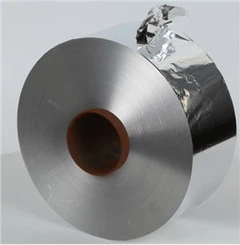


Understanding the Gauge of Aluminum Coils
Aluminum coils are essential materials in various industries, including construction, automotive, aerospace, and packaging. The term "gauge" refers to the thickness of the aluminum sheet within the coil. Understanding the gauge is crucial for selecting the appropriate material for specific applications. This article delves into what gauge means for aluminum coils, how it is measured, and its significance in different industries.
What is Gauge?
Gauge is a unit of measurement used to describe the thickness of sheet metal, including aluminum. It is typically measured in mils (thousandths of an inch) or millimeters (mm). The gauge number is inversely proportional to the thickness; a higher gauge number indicates a thinner sheet, while a lower gauge number indicates a thicker sheet.
Common Gauge Ranges
Aluminum coils come in a variety of gauges to cater to different needs. Here are some common gauge ranges:
- Thin Gauges (0.25 mm to 0.5 mm): These are often used in packaging, foils, and lightweight applications.
- Medium Gauges (0.5 mm to 1.5 mm): Suitable for automotive parts, construction, and household appliances.
- Thick Gauges (1.5 mm to 6 mm): Used in heavy-duty applications such as aerospace components, structural supports, and industrial machinery.
Measuring Gauge
Accurate measurement of the gauge is critical to ensure the material meets industry standards and application requirements. There are several methods to measure the gauge of aluminum coils:
1. Micrometers: These tools provide precise measurements by clamping the sheet between two anvils.
2. Calipers: Similar to micrometers but often used for thicker sheets.
3. Ultrasonic Thickness Gauges: Non-contact measurement devices that use ultrasonic waves to determine thickness.
Significance of Gauge in Different Industries
Construction
In construction, aluminum coils are used for roofing, siding, and architectural facades. Medium to thick gauges are preferred to ensure durability and resistance to environmental factors.
Automotive
The automotive industry uses aluminum coils for body panels, heat exchangers, and structural components. Medium gauges are commonly used to balance strength and weight reduction.
Aerospace
Aerospace applications require high-strength, lightweight materials. Thick gauges of specialized aluminum alloys are used to construct aircraft frames, wings, and other critical components.
Packaging
For packaging, thin gauges are ideal due to their flexibility and ease of manipulation. They are used in food packaging, beverage cans, and pharmaceutical containers.
Choosing the Right Gauge
Selecting the appropriate gauge depends on several factors:
- Application Requirements: The intended use of the aluminum coil determines the required thickness.
- Strength and Durability: Thicker gauges offer greater strength and durability.
- Weight Considerations: Thinner gauges reduce weight, which is particularly important in automotive and aerospace applications.
- Cost: Thicker gauges generally cost more due to the increased material usage.
Conclusion
Understanding the gauge of aluminum coils is vital for ensuring the material meets the specific needs of various applications. By selecting the appropriate gauge, industries can optimize performance, durability, and cost-effectiveness. Whether it's for construction, automotive, aerospace, or packaging, the right gauge of aluminum coil can make a significant difference in the final product.
Understanding the Gauge of Aluminum Coils
Jan 04, 2025
Leave a message