





Aluminum and copper are two common metal elements that are widely present in nature and are widely used in industry and daily life. Although there are some differences in their physical and chemical properties, under certain conditions, aluminum and copper can react to produce a series of interesting chemical phenomena.
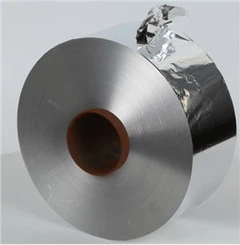
First, we need to understand the basic properties of aluminum and copper. Aluminum is a lightweight, silvery-white metal with good electrical and thermal conductivity. It easily forms a dense oxide film in the air, which prevents aluminum from further oxidation, so aluminum has good corrosion resistance. Copper is a red metal that also has good electrical and thermal conductivity. Copper is easily oxidized in the air to form a layer of green copper oxide.
Under certain conditions, aluminum and copper can react. For example, when aluminum and copper are in contact at high temperatures, they can form an alloy called aluminum bronze. This alloy has good mechanical properties and corrosion resistance, so it is widely used in aerospace, shipbuilding and other fields.
In addition, aluminum and copper can also undergo electrochemical reactions in electrolyte solutions. For example, when aluminum and copper come into contact in a hydrochloric acid solution, aluminum loses electrons to form aluminum ions, while copper accepts electrons to form copper ions. This reaction is called electrochemical corrosion, which causes corrosion on the surfaces of aluminum and copper, affecting their performance and life.
In general, aluminum and copper can react under certain conditions to produce a series of interesting chemical phenomena. These reactions not only help us better understand the chemical properties of aluminum and copper, but also provide important guidance for the application of these two metals in industry and daily life.