





1000 series
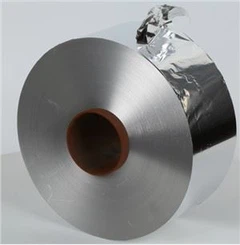
This is the purest form of aluminum, and it contains 99.00% or more aluminum. Compared with other metals, pure aluminum is very light and flexible.
2000 series
This series of aluminum and copper form an alloy. It can contain 2% to 10% copper. Copper is added to aluminum to make it harder, less ductile, and reduce corrosion resistance. Welding this series of aluminum is very challenging because it is prone to cracking.
3000 series
The 3000 series is aluminum with manganese added. The main benefits are improved strength and strain hardening. It maintains its strength at high temperatures and does not affect the corrosion resistance of pure aluminum.
4000 series
The addition of silicon to aluminum lowers its melting point and increases ductility. It is not heat-treatable unless magnesium is added and then converted into 6000 series alloys. These characteristics make it a perfect alloy for die casting.
5000 series
When magnesium is added to aluminum, its strength will be greatly increased. When strained, it will also harden. This makes it more suitable for plates and plates.
6000 series
The 6000 series includes magnesium and silicon. It has improved ductility and is heat treatable. These characteristics make it an ideal choice for aluminum extrusions.
7000 series
Aluminum and zinc are the basis of this series. When different amounts of zinc, magnesium, and/or copper are added to aluminum, the result is that the aluminum alloy has higher strength. This alloy is usually not fusion welded.
Other alloying elements
There are other elements that combine with aluminum to produce sought-after characteristics. For example, iron is sometimes added to 1000 series aluminum to make it slightly stronger. Nickel is often added to 2000 and 6000 series aluminum materials to make them stronger and improve high-temperature strength. Chromium is used in aluminum-magnesium alloys to prevent recrystallization, and in other alloys to reduce the tendency to crack during welding. Titanium exists in the weld filler and can be used as a way to improve the weld structure. Lithium increases the strength of aluminum, reduces aging and reduces density. Lead and bismuth are used to improve machinability.