





Currently, aluminum is only extracted from raw bauxite, an ore found in heavy clay-type soil several meters below the surface. This ore is then refined in a solution of hot lime and caustic soda to produce alumina, a white oxide powder. When combined with electricity and carbon at high temperatures (producing carbon dioxide), this oxide creates the liquid metal we call aluminum.
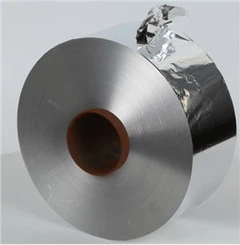
This liquid metal is then formed into different kinds of ingots or alloys, depending on its final application. Aluminum used for pipe, rod, plate, and angles is typically formed into ingots that can be up to 20 feet in length (and weigh up to 20 tons!) but is extremely formable (ductile). This makes it easy to roll or press them at different temperatures and pressures to produce sheets, sheets, foils and other forms of almost any useful thickness.


use:
Given its many unique and convenient properties, the uses for aluminum sheets are almost too varied and vast to provide a particularly comprehensive list. However, in this section we will discuss some of the more common applications of aluminum panels and sheets that are widely found in everyday industrial, design and construction environments.
Roofing - Aluminum roofing is one of the most common applications for large panels because of its lightweight and strong construction with excellent corrosion resistance.
Artistic Ceilings - Double-bonded or composite aluminum panels are often used as interior ceiling tiles or large tiles with highly decorative yet hard-wearing design features.
Balconies - Aluminum balcony railings and railings are common, again thanks to their lightweight yet strong construction and the fact that they are highly weatherproof.
Beverage Cans, Beer Kegs and Other Food Industry Containers - As well as a variety of airtight food storage solutions, you will often see wholesalers and suppliers selling reusable aluminum beer kegs. This material is known for its non-reactive, Non-polluting, impermeable, lightweight and economical to transport.
Cable Jacket - The metal jacket of a cable is usually made from aluminum foil and other extremely thin sheets of aluminum because it is relatively corrosion-resistant (and can easily be improved with various additional treatments) and exhibits impressive Mechanical and performance electrical properties.
Cladding and Fascia Panels - Aluminum composite panels have always been the first choice for exterior cladding, interior insulation and other design-led panel applications in a variety of industrial, commercial or residential buildings and facilities due to its weather resistance, light weight, strength, Easy to color or decorate
Cranes, girders, brackets and lifting gear - Lightweight materials used in the lifting industry, such as extension forks, jibs, load plates, pipe racks and support trusses, help increase productivity, reduce energy costs and manufacture large items Lifting equipment and machinery are more portable and suitable for working in tight or inaccessible spaces.
High Stress Applications - 6082 aluminum is a medium-strength structural alloy with excellent corrosion resistance, making it ideal for a range of force-intensive applications, such as T6 aerospace-grade aluminum alloys and alloys used in automotive structures.
Lamp Reflectors - Aluminum sheets have excellent reflective properties in terms of heat and light, making them an ideal product for a wide range of commercial or domestic aluminum reflector and heat forward lamps.
Shelters - Aluminum panels are widely used in the UK and elsewhere to build lightweight yet durable covered shelters and outdoor walkways in public areas, workplaces and private homes.
Caravans - towable storage and accommodation usually made primarily from aluminum sheeting or panels, making them lighter and highly weather-resistant in exposed areas.
Floors and Walls - Aluminum panels can be in a checkered pattern to provide better anti-slip and covering properties, making them ideal for use in high traffic areas, while decorative and structural aluminum panel walls are durable, beautiful and easy to clean. An increasingly popular fixture for the home or workplace.
Aluminum has many advantages, including being lightweight and highly resistant to corrosion. It comes in the form of sheets or sheets, both of which can be continuously recycled without any loss of properties and used in a wide range of industrial applications.
Boards and Sheets
As the aluminum moves between rollers under pressure, it becomes longer and thinner, forming aluminum plates or sheets. One of the main differences between aluminum sheet and plate is that sheet thickness is under 0.249 inches, while plate thickness is 0.250 inches and above. Another difference between aluminum sheet and plate has to do with their different applications. used.
sheet
Sheet is the most commonly used form of aluminum. You can find it in all major markets in the aluminum industry. For example, aluminum sheets are used in the manufacturing of packages and cans in the packaging industry. It is also valuable to the transportation industry for manufacturing tractor trailers and automobile body panels. Sheet is also used in cookware and appliances, as well as in construction/construction products such as garages, awnings, roofs, gutters and siding.
For example, through color anodization, aluminum panels can even appear blue, red, gold or black. It can also be etched to have a matte finish, or polished to have a bright, sparkling look. Aluminum panels can also be textured to create wood-like shapes.
plate
Aluminum sheets are most commonly used in heavy-duty applications, particularly in transportation product manufacturing, aerospace and military industries. Because some aluminum alloys have the potential to become more durable in extremely cold temperatures, aluminum sheets are used as casings for spacecraft fuel tanks and jets, as well as in storage tanks. In addition, you can use aluminum sheets to create structural profiles for the armoring of ships, railway vehicles, and military vehicles.