



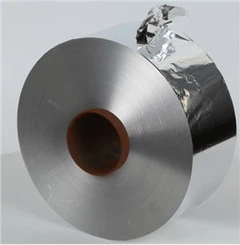


To ensure the quality of aluminum sheet surface treatment and improve the effect and durability of subsequent paint jobs, best practices include the following key steps: 1. Thorough Cleaning First, use a special cleaner to remove oil, dust and oxides from the aluminum sheet surface. These contaminants may interfere with the adhesion of the paint and cause uneven or flaking coatings. After cleaning, always rinse with clean water to ensure that there is no residual cleaner on the surface. 2. Sanding The aluminum sheet is properly sanded according to specific needs and usage environment. Sanding can increase the surface roughness and improve the adhesion of paint. The degree of sanding needs to be just right, neither excessively damaging the substrate nor leaving obvious defects. 3. Primer Application Use a primer designed for aluminum and apply it to the cleaned and sanded surface. The role of the primer is to form a transition layer to enhance the adhesion of the paint to the aluminum surface. The choice of primer and the application method have a significant impact on the effect of the final coating, so the product instructions should be strictly followed. Conclusion Following these best practice steps can ensure the quality of the aluminum sheet surface preparation and provide a solid foundation for the subsequent paint job. This will not only improve the beauty and durability of the coating, but also extend the service life of the aluminum sheet, bringing better value to users.