





What is the Minimum Bending Radius of 1050 Aluminum Strip?
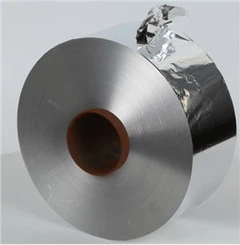
As a trusted supplier of 1050 aluminum strip, I often receive inquiries about the minimum bending radius of this material. Understanding the minimum bending radius is crucial for various applications, as it directly impacts the formability and performance of the aluminum strip. In this blog post, I will delve into the concept of the minimum bending radius of 1050 aluminum strip, explore the factors that influence it, and provide practical insights for our customers.
Understanding the Minimum Bending Radius
The minimum bending radius refers to the smallest radius to which a material can be bent without causing cracking, fracturing, or other forms of damage. It is a critical parameter in metalworking, especially in applications where the material needs to be shaped or formed. For 1050 aluminum strip, the minimum bending radius is determined by several factors, including the material's thickness, temper, and the bending method used.

Factors Influencing the Minimum Bending Radius
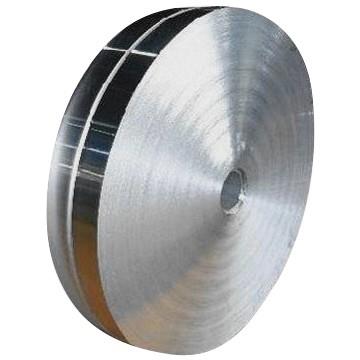
- Thickness: The thickness of the 1050 aluminum strip is one of the most significant factors affecting the minimum bending radius. Generally, thicker strips require a larger bending radius to avoid cracking. As the thickness increases, the material becomes less flexible, and the risk of damage during bending also increases. For example, a thinner 1050 aluminum strip with a thickness of 0.5 mm may have a minimum bending radius of 1 mm, while a thicker strip with a thickness of 2 mm may require a minimum bending radius of 4 mm.
- Temper: The temper of the 1050 aluminum strip also plays a crucial role in determining the minimum bending radius. Aluminum strips are available in different tempers, such as annealed (O), half-hard (H14), and full-hard (H18). Annealed aluminum strips are more ductile and have a lower minimum bending radius compared to harder tempers. For instance, an annealed 1050 aluminum strip can be bent to a smaller radius without cracking, while a full-hard strip may require a larger bending radius to prevent damage.
- Bending Method: The bending method used can also affect the minimum bending radius of the 1050 aluminum strip. There are several bending methods available, including air bending, bottom bending, and coining. Each method has its own advantages and limitations, and the choice of method depends on the specific requirements of the application. For example, air bending is a common method that allows for greater flexibility and can be used to achieve a smaller bending radius. However, it may also result in springback, which needs to be compensated for during the bending process.
Determining the Minimum Bending Radius
To determine the minimum bending radius of 1050 aluminum strip, it is essential to consider the factors mentioned above. Here are some general guidelines to help you calculate the minimum bending radius:
- Refer to Manufacturer's Specifications: Most aluminum strip manufacturers provide specifications for the minimum bending radius of their products. These specifications are based on extensive testing and can serve as a reliable reference. Make sure to consult the manufacturer's documentation or contact their technical support team for accurate information.
- Conduct Test Bends: If you are unsure about the minimum bending radius for a specific application, it is recommended to conduct test bends on a sample of the 1050 aluminum strip. This will allow you to observe the material's behavior during bending and determine the smallest radius that can be achieved without causing damage. Make sure to use the same bending method and equipment that will be used in the actual production process.
- Consider the Application Requirements: The minimum bending radius may also be influenced by the specific requirements of the application. For example, if the bent aluminum strip will be used in a high-stress environment, a larger bending radius may be required to ensure the material's integrity. On the other hand, if the application requires a tight bend, a smaller bending radius may be necessary.
Applications of 1050 Aluminum Strip
1050 aluminum strip is a versatile material that is widely used in various industries due to its excellent formability, corrosion resistance, and electrical conductivity. Some common applications of 1050 aluminum strip include:
- Electrical and Electronic Components: 1050 aluminum strip is commonly used in the production of electrical and electronic components, such as capacitors, transformers, and printed circuit boards. Its high electrical conductivity and good formability make it an ideal choice for these applications.
- Packaging: The corrosion resistance and lightweight nature of 1050 aluminum strip make it suitable for packaging applications. It is often used to manufacture food and beverage cans, pharmaceutical packaging, and other types of packaging materials.
- Automotive Industry: 1050 aluminum strip is used in the automotive industry for various applications, including body panels, heat exchangers, and wiring harnesses. Its high strength-to-weight ratio and good formability make it an attractive option for automotive manufacturers.
- Construction: In the construction industry, 1050 aluminum strip is used for roofing, siding, and other architectural applications. Its corrosion resistance and durability make it a popular choice for outdoor structures.
Related Products
If you are interested in other types of aluminum strips, we also offer a range of related products, including 1/2 Aluminum Strip, Aluminum 1100 Strip, and 1060 1070 Aluminum Strips For Optical Cable. These products offer similar properties and can be used in a variety of applications.
Contact Us for Procurement
If you have any questions about the minimum bending radius of 1050 aluminum strip or are interested in purchasing our products, please feel free to contact us. Our team of experts is available to provide you with detailed information and assist you in finding the right solution for your specific needs. We look forward to working with you and helping you achieve your goals.
References
- ASM Handbook, Volume 2: Properties and Selection: Nonferrous Alloys and Special-Purpose Materials
- Aluminum Association: Aluminum Standards and Data
- Metal Forming Handbook: A Practical Guide to Sheet Metalworking