





In the pharmaceutical industry, the choice of packaging material is crucial, especially when it comes to the long - term storage of medicines. As a pharmaceutical foil supplier, I've witnessed firsthand the importance of this decision. In this blog, we'll delve into whether pharmaceutical foil is suitable for the long - term storage of medicines.
The Properties of Pharmaceutical Foil
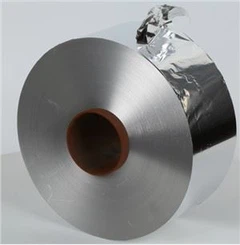
Pharmaceutical foil, such as the Pharmaceutical Packing Foil, is typically made of aluminum. Aluminum has several properties that make it a strong candidate for pharmaceutical packaging.
First and foremost, aluminum is an excellent barrier material. It provides a high level of protection against moisture, oxygen, light, and microorganisms. Moisture can cause many medications to degrade, lose potency, or even develop mold. Oxygen can react with certain active ingredients in medicines, leading to oxidation and subsequent changes in the drug's chemical composition. Light, especially ultraviolet (UV) light, can also have a detrimental effect on the stability of drugs. Pharmaceutical foil effectively blocks these elements, helping to preserve the integrity of the medicine inside.
The Pharmaceutical Packaging Foil Roll Material is designed to be flexible yet durable. It can be easily formed into different shapes and sizes to accommodate various types of medicine containers, such as blister packs, bottles, and sachets. This flexibility allows for efficient packaging and storage, reducing the risk of damage during handling and transportation.
Advantages of Using Pharmaceutical Foil for Long - Term Storage
1. Preservation of Drug Efficacy
One of the primary goals of long - term medicine storage is to maintain the drug's efficacy. Pharmaceutical foil helps achieve this by protecting the medicine from environmental factors that could cause degradation. For example, drugs that are sensitive to moisture, like certain antibiotics and vitamins, can remain stable for longer periods when stored in foil packaging. A study by the International Journal of Pharmaceutics found that drugs stored in aluminum foil blister packs retained their potency for up to 50% longer compared to those stored in less protective packaging.
2. Protection against Contamination
Pharmaceutical foil acts as a physical barrier against external contaminants. Microorganisms, dust, and other particles cannot penetrate the foil, reducing the risk of contamination. This is particularly important for sterile medications, such as injectables and ophthalmic solutions. The Medical Aluminum Foil used in these applications is often treated to ensure a high level of cleanliness and sterility, further enhancing its protective capabilities.
3. Extended Shelf Life
By providing a stable environment for the medicine, pharmaceutical foil can significantly extend the shelf life of drugs. This is beneficial for both pharmaceutical manufacturers and consumers. Manufacturers can reduce waste and improve inventory management, while consumers can have confidence in the quality of the medicine they purchase, even if it has been on the shelf for an extended period.


Challenges and Limitations
While pharmaceutical foil offers many advantages for long - term medicine storage, it is not without its challenges.
1. Cost
Compared to some other packaging materials, pharmaceutical foil can be relatively expensive. The cost of raw materials, manufacturing processes, and quality control measures all contribute to the higher price. This can be a significant factor for pharmaceutical companies, especially those producing low - cost generic drugs. However, it's important to consider the long - term benefits of using foil, such as reduced product losses and improved patient safety.
2. Recycling
Aluminum foil is recyclable, but the recycling process for pharmaceutical foil can be complex. The foil may be coated with various substances, such as polymers and adhesives, which need to be separated before recycling. Additionally, there may be concerns about cross - contamination if the foil has been in contact with medications. Despite these challenges, efforts are being made to improve the recyclability of pharmaceutical foil and develop more sustainable packaging solutions.
3. Compatibility with Certain Drugs
In some cases, certain drugs may interact with the aluminum in the foil. For example, drugs with a high pH or those containing strong reducing agents may cause corrosion of the foil, leading to the release of aluminum ions into the medicine. This can potentially affect the safety and efficacy of the drug. Pharmaceutical companies need to conduct thorough compatibility studies to ensure that the foil is suitable for the specific drug being packaged.
Case Studies
To illustrate the effectiveness of pharmaceutical foil for long - term medicine storage, let's look at a few case studies.
Case Study 1: A Multivitamin Product
A pharmaceutical company was experiencing issues with the stability of its multivitamin product. The product was initially packaged in a plastic bottle, and over time, the vitamins were losing their potency due to exposure to moisture and light. After switching to a blister pack made of pharmaceutical foil, the company noticed a significant improvement in the product's stability. The vitamins retained their potency for the entire shelf - life of the product, and customer complaints about the effectiveness of the product decreased significantly.
Case Study 2: A Sterile Injectable Drug
A manufacturer of sterile injectable drugs was concerned about the risk of contamination during long - term storage. They switched from a glass vial with a rubber stopper to a pre - filled syringe packaged in pharmaceutical foil. The foil provided an additional layer of protection against microorganisms and oxygen, reducing the risk of contamination and ensuring the sterility of the drug. As a result, the product's shelf - life was extended, and the manufacturer was able to reduce the number of product recalls due to contamination.
Conclusion
In conclusion, pharmaceutical foil is generally a suitable choice for the long - term storage of medicines. Its excellent barrier properties, flexibility, and ability to protect against contamination and degradation make it an ideal packaging material. However, it's important to consider the cost, recyclability, and compatibility with specific drugs.
As a pharmaceutical foil supplier, we are committed to providing high - quality products that meet the strict requirements of the pharmaceutical industry. Our Pharmaceutical Packing Foil, Pharmaceutical Packaging Foil Roll Material, and Medical Aluminum Foil are designed to provide optimal protection for your medicines.
If you are a pharmaceutical manufacturer or distributor looking for reliable packaging solutions for long - term medicine storage, we invite you to contact us to discuss your specific needs. We can provide you with samples, technical support, and competitive pricing. Let's work together to ensure the quality and safety of your pharmaceutical products.
References
- International Journal of Pharmaceutics. "Effect of Packaging on the Stability of Pharmaceutical Products."
- Pharmaceutical Packaging Technology Handbook. "Aluminum Foil in Pharmaceutical Packaging."
- Journal of Pharmaceutical Sciences. "Compatibility of Drugs with Aluminum Foil Packaging Materials."