



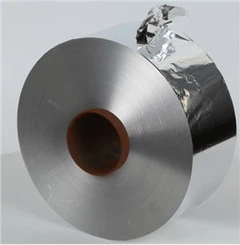


Hey there! As an aluminum checked plate supplier, I've seen firsthand how important it is to improve the anti - corrosion ability of these plates. Aluminum checked plates are widely used in various industries, from construction to transportation, and corrosion can really mess up their performance and lifespan. So, let's dive into some ways to boost that anti - corrosion power.
Understanding the Corrosion Process of Aluminum Checked Plates
Before we start talking about solutions, it's crucial to understand how corrosion happens to aluminum checked plates. Aluminum is a reactive metal. When it's exposed to oxygen in the air, it forms a thin layer of aluminum oxide on its surface. This layer is actually a natural protector, but in some harsh environments, it may not be enough.
Factors like moisture, chemicals, and high temperatures can break down this protective layer. For example, in coastal areas where there's a lot of salt in the air, the salt can react with the aluminum and accelerate the corrosion process. Once the protective oxide layer is damaged, the aluminum underneath starts to corrode, leading to pitting, discoloration, and a decrease in the plate's structural integrity.
Surface Treatment Methods
One of the most effective ways to improve the anti - corrosion ability of aluminum checked plates is through surface treatment.
Anodizing
Anodizing is a popular method. It involves creating an artificial oxide layer on the surface of the aluminum. This layer is much thicker and more durable than the natural oxide layer. During the anodizing process, the aluminum plate is immersed in an electrolyte solution and an electric current is passed through it. This causes the aluminum to oxidize, forming a hard and corrosion - resistant layer.
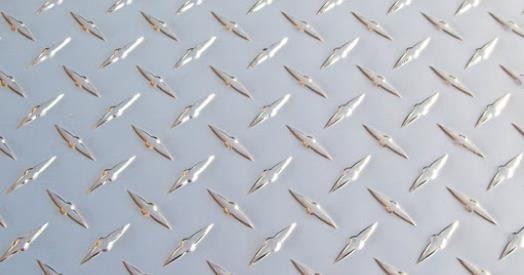
There are different types of anodizing, such as sulfuric acid anodizing and hard anodizing. Sulfuric acid anodizing is commonly used for general applications, while hard anodizing is used in more demanding environments where high wear and corrosion resistance are required. Anodized aluminum checked plates can withstand harsh weather conditions and chemical exposure, making them ideal for outdoor and industrial use. You can check out our 1100 Five Bars Checker Plate good quality, which can be anodized for better anti - corrosion performance.
Powder Coating
Powder coating is another great option. It involves applying a dry powder to the surface of the aluminum plate and then heating it to form a smooth, durable finish. The powder can be made of various materials, such as epoxy or polyester. Powder coating not only provides excellent corrosion resistance but also comes in a wide range of colors, allowing you to choose the one that suits your aesthetic needs.
This method is especially useful for applications where the plate will be exposed to the elements, like in building facades or automotive parts. Our 3003 Aluminum Checker Plate for heat insulators can be powder - coated to enhance its anti - corrosion ability and appearance.
Chemical Conversion Coating
Chemical conversion coating is a process where a thin layer of chemical compounds is applied to the aluminum surface. This layer helps to prevent corrosion by forming a barrier between the aluminum and the environment. Some common types of chemical conversion coatings include chromate conversion coating and phosphate conversion coating.
Chromate conversion coating is known for its excellent corrosion resistance, but it contains hexavalent chromium, which is a toxic substance. Phosphate conversion coating is a more environmentally friendly alternative. It provides good corrosion protection and also improves the adhesion of paint or other coatings if further treatment is required.
Alloy Selection
The choice of alloy can also have a significant impact on the anti - corrosion ability of aluminum checked plates. Different aluminum alloys have different compositions, which affect their corrosion resistance.
For example, the 3003 alloy is a popular choice for many applications. It contains manganese, which improves its strength and corrosion resistance. This alloy is often used in heat exchangers, roofing, and other applications where corrosion resistance is important. Our 3003 Aluminum Checker Plate for heat insulators is made from this alloy and offers good anti - corrosion performance.
The 5052 alloy is another option. It contains magnesium, which gives it high strength and excellent corrosion resistance, especially in marine environments. This alloy is commonly used in boat building and other applications where the plate will be exposed to saltwater.
Environmental Considerations
The environment where the aluminum checked plates are used plays a big role in their corrosion. If the plates are used in a high - humidity environment, for example, the risk of corrosion is higher. To mitigate this, proper ventilation can be installed to reduce the moisture level around the plates.
In areas with high levels of pollutants or chemicals, additional protective measures may be needed. For example, if the plates are used in a chemical factory, they may need to be coated with a special chemical - resistant coating.

Also, regular cleaning and maintenance can help to prevent corrosion. Dirt, dust, and other contaminants can trap moisture on the surface of the plates, accelerating the corrosion process. By cleaning the plates regularly, you can remove these contaminants and keep the surface clean and dry.
Storage and Handling
Proper storage and handling of aluminum checked plates are also important for maintaining their anti - corrosion ability. When storing the plates, they should be kept in a dry, well - ventilated area. Avoid storing them in direct contact with the ground, as moisture can seep up from the ground and cause corrosion.
During handling, care should be taken to avoid scratching the surface of the plates. Scratches can damage the protective layer and expose the aluminum to the environment, increasing the risk of corrosion. If a plate is scratched, it should be repaired or treated as soon as possible to prevent further corrosion.
Conclusion
Improving the anti - corrosion ability of aluminum checked plates is essential for ensuring their long - term performance and durability. By using surface treatment methods like anodizing, powder coating, and chemical conversion coating, choosing the right alloy, considering the environment, and proper storage and handling, you can significantly enhance the anti - corrosion power of these plates.
If you're in the market for high - quality aluminum checked plates with excellent anti - corrosion ability, we've got you covered. Check out our Checkered Aluminum Plate For Floor Use and other products. If you have any questions or want to discuss your specific requirements, feel free to reach out. We're here to help you find the best solutions for your needs.
References
- Metals Handbook, Volume 2: Properties and Selection: Nonferrous Alloys and Special - Purpose Materials
- Aluminum Association Technical Papers on Aluminum Corrosion and Protection