



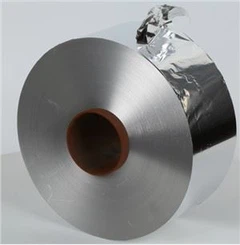


When embarking on a project that requires aluminum sheets, selecting the right one is crucial for the success of your endeavor. As an experienced aluminum sheet supplier, I understand the complexities involved in this decision-making process. In this blog, I will guide you through the key factors to consider when choosing the appropriate aluminum sheet for your project.
Understanding Aluminum Grades
Aluminum sheets come in various grades, each with its own unique properties and applications. The most common grades include the 1xxx, 3xxx, 5xxx, and 6xxx series.
- 1xxx Series: This series is pure aluminum, with a minimum aluminum content of 99%. It offers excellent corrosion resistance, high thermal and electrical conductivity, and good ductility. 1100 Aluminum plain Sheet is a popular choice in this series, often used in applications such as chemical equipment, food processing, and signage.
- 3xxx Series: Alloys in the 3xxx series contain manganese as the primary alloying element. They offer good formability, moderate strength, and excellent corrosion resistance. 3003 Aluminum Plate for storage tanks is widely used in the construction of storage tanks, heat exchangers, and general sheet metal work. 3003 Five Bars Checker Plate is also a common product in this series, providing slip resistance and added strength for flooring and walkways.
- 5xxx Series: These alloys contain magnesium as the main alloying element, offering high strength, good weldability, and excellent corrosion resistance, especially in marine environments. They are commonly used in shipbuilding, automotive parts, and structural applications.
- 6xxx Series: Alloys in the 6xxx series contain magnesium and silicon, providing a good balance of strength, formability, and corrosion resistance. They are often used in architectural applications, such as window frames, doors, and curtain walls.
Consider Your Project Requirements
Before choosing an aluminum sheet, it is essential to understand the specific requirements of your project. Consider the following factors:

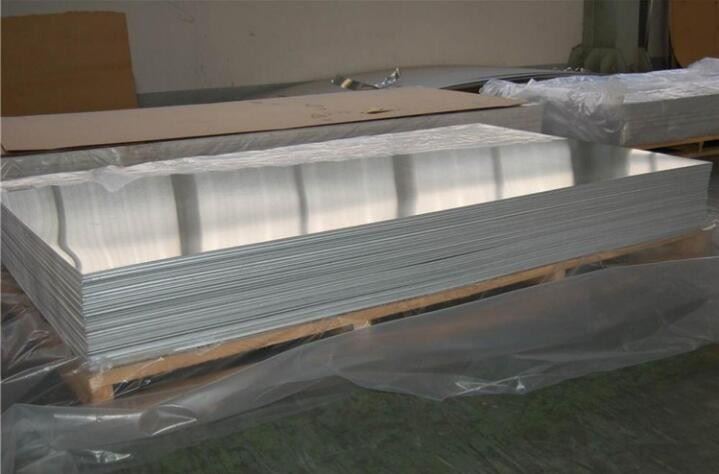
- Strength: Determine the amount of strength required for your application. If you need a high-strength material, alloys in the 5xxx or 6xxx series may be more suitable. For applications that do not require high strength, the 1xxx or 3xxx series may be sufficient.
- Formability: If your project involves bending, shaping, or forming the aluminum sheet, you need to choose a grade with good formability. The 1xxx and 3xxx series are known for their excellent formability, making them ideal for applications such as automotive body panels and architectural components.
- Corrosion Resistance: Evaluate the environment in which the aluminum sheet will be used. If it will be exposed to corrosive substances or harsh weather conditions, choose an alloy with high corrosion resistance, such as the 5xxx series.
- Surface Finish: The surface finish of the aluminum sheet can affect its appearance and performance. Common surface finishes include mill finish, brushed finish, and anodized finish. Consider the aesthetic requirements of your project and choose the appropriate surface finish.
- Thickness: The thickness of the aluminum sheet is an important consideration. Thicker sheets are generally stronger but may be more difficult to form. Choose a thickness that meets the strength and formability requirements of your project.
Evaluate the Quality of the Aluminum Sheet
In addition to considering the grade and project requirements, it is important to evaluate the quality of the aluminum sheet. Here are some key factors to look for:
- Chemical Composition: Ensure that the aluminum sheet meets the specified chemical composition for the chosen grade. This can be verified through a chemical analysis report provided by the supplier.
- Mechanical Properties: Check the mechanical properties of the aluminum sheet, such as tensile strength, yield strength, and elongation. These properties can affect the performance of the sheet in your application.
- Surface Quality: Inspect the surface of the aluminum sheet for any defects, such as scratches, dents, or pits. A smooth and defect-free surface is essential for a high-quality finish.
- Certification: Look for aluminum sheets that are certified to meet industry standards, such as ASTM or EN. Certification ensures that the sheet has been tested and meets the required quality and performance criteria.
Working with a Reliable Supplier
Choosing a reliable aluminum sheet supplier is crucial for ensuring the quality and availability of the materials you need. Here are some tips for working with a supplier:
- Reputation: Research the supplier's reputation in the industry. Look for reviews and testimonials from other customers to get an idea of their quality of service and product reliability.
- Product Range: Ensure that the supplier offers a wide range of aluminum sheet grades and sizes to meet your specific requirements. A diverse product range gives you more options and flexibility in choosing the right sheet for your project.
- Technical Support: Choose a supplier that provides technical support and assistance. They should be able to answer your questions, provide guidance on material selection, and offer solutions to any problems you may encounter.
- Delivery Time: Consider the supplier's delivery time and reliability. Ensure that they can meet your project deadlines and deliver the materials on time.
Conclusion
Choosing the right aluminum sheet for your project requires careful consideration of various factors, including the grade, project requirements, quality, and supplier. By understanding these factors and working with a reliable supplier, you can ensure that you select the best aluminum sheet for your application.
If you have any questions or need further assistance in choosing the right aluminum sheet for your project, please feel free to contact us. We are here to help you make the right decision and provide you with high-quality aluminum sheets that meet your needs.
References
- Aluminum Association. (n.d.). Aluminum Grades and Tempers. Retrieved from [Website URL]
- ASM International. (n.d.). Aluminum and Aluminum Alloys. Retrieved from [Website URL]
- ASTM International. (n.d.). Standards for Aluminum and Aluminum Alloys. Retrieved from [Website URL]