



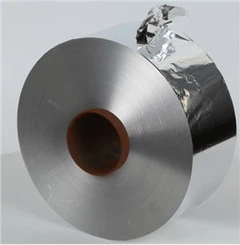


Hey there! As a supplier of Aluminum Sheet Hs Code, I've been thinking a lot about how the HS code for aluminum sheet impacts product liability. Let's dive right into it.
First off, what the heck is an HS code? Well, the Harmonized System (HS) code is an international standard for classifying products in international trade. It's like a global barcode for goods. For aluminum sheets, the HS code helps customs officials and traders quickly identify and categorize the product. This code is crucial because it determines things like tariffs, import/export regulations, and even product liability.
Now, let's talk about how the HS code affects product liability. When you're dealing with aluminum sheets, the HS code you use to classify your product can have a big impact on who's responsible if something goes wrong.
Accuracy of HS Code Classification
One of the most important aspects is getting the HS code right. If you misclassify your aluminum sheet, it can lead to all sorts of problems. For example, if you classify a high - strength aluminum sheet as a regular one, you might be understating the risks associated with the product.
Let's say you supply 1100 H14 Aluminum Sheet/Plate. This specific type of aluminum sheet has certain properties and is used in specific applications. If you classify it under the wrong HS code, you might not be providing the correct information about its strength, durability, or other important characteristics.
If a customer uses the sheet in a way that it's not designed for because of the misclassification, and an accident occurs, you could be held liable. You're supposed to accurately represent your product, and the HS code is a big part of that.
Compliance with Regulations
The HS code also determines which regulations your aluminum sheet needs to comply with. Different HS codes might be subject to different safety standards, environmental regulations, or quality control measures.
For instance, if your Aluminum Sheet Metal falls under an HS code that requires certain chemical composition limits, and you don't meet those limits, you're in trouble. You could face legal action if the non - compliant product causes harm to a user or the environment.
Let's say there are regulations regarding the amount of lead in aluminum sheets for certain applications. If your HS code indicates that your sheet should meet these lead limits, and it doesn't, you're on the hook. Product liability can kick in, and you might have to pay for damages, recalls, or other costs associated with the non - compliant product.
Insurance and Risk Assessment
Insurance companies also take the HS code into account when assessing the risk of insuring your aluminum sheet products. A more accurate HS code can help them better understand the nature of the product and set appropriate insurance premiums.
If you misclassify your Aluminium 1000 Series products, the insurance company might not have a clear picture of the risks involved. This could lead to issues if a claim is made. If they find out later that the product was misclassified, they might deny the claim, leaving you to cover the costs of any product - related damages.
Impact on Supply Chain
The HS code also affects the entire supply chain. From the moment your aluminum sheet leaves your facility to when it reaches the end - user, the HS code is used to track and manage the product.
If there's a problem with the product, like a defect or a safety issue, the HS code helps in tracing the product back to its source. This means that if your HS code is incorrect, it can make it harder to identify and address the problem quickly. And in cases of product liability, time is of the essence. The longer it takes to identify and fix the issue, the more damage can be done, and the more liability you might face.
How to Ensure Correct HS Code Usage
So, how can you as an aluminum sheet supplier ensure that you're using the correct HS code? First, do your research. Stay up - to - date with the latest HS code classifications and changes. You can consult trade associations, government agencies, or even hire a customs broker to help you.
Make sure you have a clear understanding of your product's characteristics, such as its composition, thickness, and intended use. This information will help you accurately classify your aluminum sheet under the right HS code.
Also, keep detailed records of your product's specifications and the HS code you've used. This will be useful in case of any disputes or product liability claims.
The Importance of Communication
Communication is key when it comes to product liability and HS codes. You need to communicate clearly with your customers about the product's HS code and what it means. Provide them with all the necessary information about the product's properties, limitations, and safety requirements.
If you're working with other suppliers or partners in the supply chain, make sure they're also aware of the correct HS code and its implications. This can help prevent misunderstandings and reduce the risk of product liability issues.
Conclusion
In conclusion, the HS code for aluminum sheets plays a crucial role in product liability. It affects everything from accurate classification and compliance with regulations to insurance and supply chain management. As a supplier, it's your responsibility to use the correct HS code and ensure that you're providing accurate information about your products.
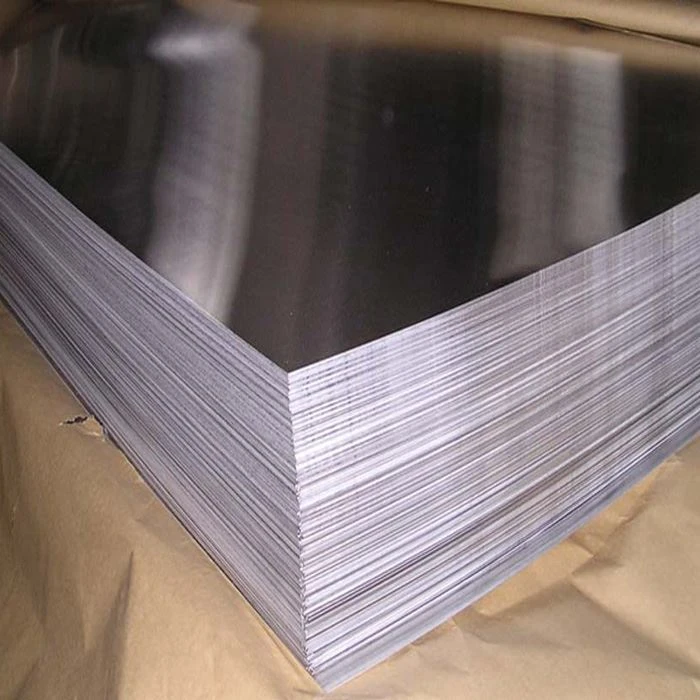

If you're in the market for high - quality aluminum sheets, we're here to help. We take great care in classifying our products with the correct HS codes and ensuring that they meet all the necessary standards. Whether you need 1100 H14 Aluminum Sheet/Plate, Aluminum Sheet Metal, or Aluminium 1000 Series, we've got you covered.
If you're interested in purchasing our aluminum sheets, feel free to reach out to us for a quote and to discuss your specific needs. We're always happy to have a chat and help you find the right product for your project.
References
- World Customs Organization. (n.d.). Harmonized System.
- Various trade publications on aluminum products and international trade regulations.