



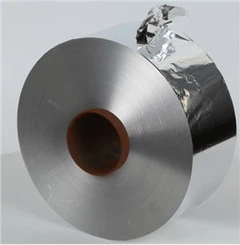


Hey there! I'm a supplier of 1050 aluminum strip, and today I wanna chat about how the coil weight affects the handling of 1050 aluminum strip.
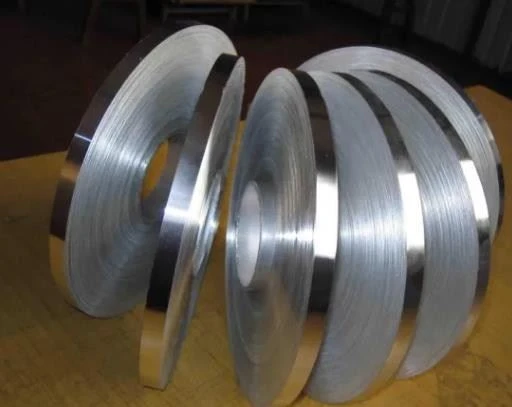
First off, let's understand what 1050 aluminum strip is. It's a popular type of aluminum alloy that's known for its high purity, good corrosion resistance, and excellent formability. It's used in a wide range of applications, from Aluminum Strips For Cookie Cutters to Slitting 1100 Aluminum Strip For Heat Exchanger and 1060 1070 Aluminum Strips For Optical Cable.
Now, when it comes to the coil weight of 1050 aluminum strip, it can have a significant impact on how it's handled.
1. Transportation
The weight of the coil plays a huge role in transportation. Heavier coils require more robust transportation equipment. For example, if you have a really heavy coil, you might need a large truck with a high - capacity suspension system to carry it safely. Smaller trucks may not be able to handle the weight, and there's a risk of overloading, which can lead to accidents on the road.
Moreover, heavier coils also mean higher transportation costs. The fuel consumption of the vehicle increases as it has to carry more weight. And in some cases, special permits may be required for transporting extremely heavy coils, which adds to the overall cost. On the other hand, lighter coils are easier to transport. They can be loaded onto smaller vehicles, and the transportation cost is relatively lower.

2. Storage
In terms of storage, the weight of the coil matters a lot. Heavier coils need stronger storage racks. If the racks aren't designed to hold the weight, they can collapse, causing damage to the aluminum strips and potentially posing a safety hazard. You also need to consider the floor load capacity of the storage area. A heavy coil placed on a floor that can't support its weight can cause the floor to crack or sag.
Lighter coils are more flexible when it comes to storage. You can stack them more easily, and they don't put as much stress on the storage infrastructure. You can use less - robust racks and don't have to worry as much about the floor load capacity.
3. Loading and Unloading
Loading and unloading heavy coils is a challenging task. It requires specialized equipment like cranes or forklifts with high - lifting capacities. Operators need to be well - trained to handle these heavy loads safely. There's a higher risk of injury during the loading and unloading process if proper safety measures aren't followed.
Lighter coils, however, can be handled more easily. You might even be able to use manual handling equipment in some cases. This reduces the need for expensive and large - scale lifting equipment and also lowers the risk of workplace accidents.
4. Processing
During the processing of 1050 aluminum strip, the coil weight can also have an impact. Heavier coils may require more powerful processing machines. For example, if you're slitting the aluminum strip, a heavy coil may put more stress on the slitting blades, which can lead to faster wear and tear. You may also need to adjust the tension control systems to handle the weight of the coil properly.
Lighter coils are generally easier to process. The machines don't have to work as hard, and there's less risk of damage to the equipment. The processing speed can also be more consistent with lighter coils.
5. Cost - effectiveness
From a cost - effectiveness perspective, the coil weight needs to be carefully considered. While heavier coils may seem like a good idea as they offer more material in one unit, they come with higher transportation, storage, and processing costs. Lighter coils, on the other hand, may have a lower upfront cost in terms of handling, but you may need to order more frequently, which can also add to the overall cost.
So, as a 1050 aluminum strip supplier, I always recommend that my customers consider their specific needs when choosing the coil weight. If they have a large - scale project with a stable demand and have the necessary infrastructure for handling heavy coils, heavier coils may be a good option. But if they have limited storage space, a smaller - scale project, or a tight budget for handling equipment, lighter coils are probably the way to go.
If you're in the market for 1050 aluminum strip and have questions about coil weight or any other aspects, I'd love to have a chat with you. We can discuss your specific requirements and find the best solution for you. Whether you need it for cookie cutters, heat exchangers, or optical cables, we've got you covered. So, don't hesitate to reach out and start a conversation about your procurement needs.
References
- "Aluminum Alloys: Properties and Applications" - A comprehensive guide on different aluminum alloys and their characteristics.
- "Materials Handling in the Metal Industry" - This book provides insights into how different weights of metal coils are handled in various industrial settings.