



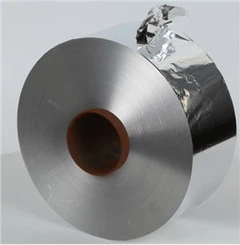


Aluminum strips have become a staple in various industries due to their lightweight, corrosion - resistant, and malleable properties. As an aluminum strip supplier, one of the most frequently asked questions we receive is whether aluminum strips can be welded easily. In this blog, we'll delve into the factors that affect the weldability of aluminum strips, the welding methods commonly used, and some tips to ensure successful welding.
Factors Affecting the Weldability of Aluminum Strips
Alloy Composition
The alloy composition of aluminum strips plays a crucial role in their weldability. Different aluminum alloys have varying levels of weldability. For instance, the 1xxx series, such as 1100 aluminum, is known for its excellent weldability. It has a high purity of aluminum, which means fewer alloying elements that could potentially interfere with the welding process. Slitting 1100 Aluminum Strip For Heat Exchanger is a prime example of an aluminum strip that is relatively easy to weld. On the other hand, some high - strength alloys in the 7xxx series may pose more challenges during welding due to the presence of elements like zinc and magnesium, which can lead to cracking and porosity in the weld.
Surface Condition
The surface condition of the aluminum strip is another important factor. Aluminum forms a thin oxide layer on its surface when exposed to air. This oxide layer has a much higher melting point than aluminum itself and can prevent proper fusion during welding. Therefore, it is essential to clean the surface of the aluminum strip before welding. This can be done through mechanical cleaning methods such as wire brushing or chemical cleaning using appropriate solvents. Failure to remove the oxide layer can result in poor weld quality, including lack of fusion and inclusions.
Thickness of the Strip
The thickness of the aluminum strip also affects its weldability. Thinner strips are generally easier to weld because they require less heat input. When welding thicker strips, more heat is needed to achieve proper fusion, which can lead to issues such as distortion and excessive melting. Special techniques and equipment may be required to weld thicker aluminum strips successfully.
Common Welding Methods for Aluminum Strips
Tungsten Inert Gas (TIG) Welding
TIG welding is a popular method for welding aluminum strips. It uses a non - consumable tungsten electrode to create an arc between the electrode and the workpiece. An inert gas, usually argon, is used to protect the weld area from oxidation. TIG welding offers precise control over the heat input, making it suitable for thin aluminum strips. It produces high - quality welds with good aesthetics and minimal spatter. However, it requires a high level of skill and is relatively slow compared to other welding methods.
Metal Inert Gas (MIG) Welding
MIG welding is another commonly used method for welding aluminum strips. In MIG welding, a consumable wire electrode is fed through a welding gun, and an inert gas is used to shield the weld. MIG welding is faster than TIG welding and is suitable for thicker aluminum strips. It is also relatively easier to learn compared to TIG welding. However, it may produce more spatter and requires careful control of the welding parameters to ensure good weld quality.
Tips for Successful Welding of Aluminum Strips
Select the Right Welding Equipment
Choosing the appropriate welding equipment is crucial for successful welding. For TIG welding, a high - quality TIG welder with proper amperage control is necessary. For MIG welding, a welder that is specifically designed for aluminum welding is recommended. The welding gun, electrode, and shielding gas also need to be selected according to the type and thickness of the aluminum strip.


Pre - heat the Aluminum Strip
Pre - heating the aluminum strip can help reduce the risk of cracking and improve the weldability, especially for thicker strips. However, the pre - heating temperature should be carefully controlled to avoid overheating, which can cause distortion and other issues.
Use the Right Filler Metal
The choice of filler metal is important for achieving strong and durable welds. The filler metal should have a similar composition to the base metal to ensure good compatibility. For example, when welding 1100 aluminum strips, a filler metal with a high aluminum content should be used.
Applications of Welded Aluminum Strips
Welded aluminum strips have a wide range of applications in various industries. In the automotive industry, Aluminum Strip For Radiator is often welded to form the core of radiators. The lightweight and corrosion - resistant properties of aluminum make it an ideal material for this application. In the construction industry, welded aluminum strips are used for making window frames, door frames, and other structural components. They offer good strength and durability while being relatively easy to install.
Conclusion
In conclusion, while aluminum strips can be welded, the ease of welding depends on several factors such as alloy composition, surface condition, and thickness. With the right welding methods, equipment, and techniques, high - quality welds can be achieved. As an aluminum strip supplier, we are committed to providing high - quality aluminum strips and technical support to our customers. If you are interested in purchasing Aluminum Strip for your welding projects, please feel free to contact us for more information and to discuss your specific requirements. We look forward to working with you to meet your aluminum strip needs.
References
- American Welding Society. Welding Handbook, Volume 2: Welding Processes.
- Aluminum Association. Aluminum Standards and Data.