



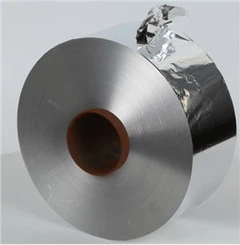


Aluminum circles are widely used in various industries, from cookware manufacturing to lighting applications. One of the common questions that often arises is whether aluminum circles can be cold - formed. As an aluminum circle supplier, I am here to provide you with a comprehensive answer to this question.
Understanding Cold - Forming
Cold - forming is a metalworking process in which metal is shaped at room temperature or slightly above. Unlike hot - forming, which requires heating the metal to high temperatures, cold - forming relies on mechanical forces to reshape the metal. The process offers several advantages, including better surface finish, improved dimensional accuracy, and enhanced mechanical properties in some cases.
Can Aluminum Circles Be Cold - Formed?
The answer is yes, aluminum circles can be cold - formed. Aluminum is a highly malleable metal, which means it can be easily shaped without the need for excessive heat. When cold - forming aluminum circles, the metal is subjected to forces such as bending, drawing, or stamping.
Bending
Bending is one of the most common cold - forming processes for aluminum circles. By using a press brake or other bending tools, the aluminum circle can be bent into various angles and shapes. For example, in the manufacturing of cookware, aluminum circles can be bent to create the sides of pots and pans. The malleability of aluminum allows for smooth and precise bends, ensuring a high - quality end product.
Drawing
Drawing is another cold - forming technique used with aluminum circles. In this process, the aluminum circle is pulled through a die to reduce its diameter and increase its length. This is commonly used in the production of cans and other cylindrical containers. The ability of aluminum to withstand the drawing process without cracking or tearing makes it an ideal material for this application.
Stamping
Stamping involves using a die to cut or shape the aluminum circle. This process can be used to create intricate patterns, logos, or holes in the aluminum circle. For instance, in the lighting industry, stamping can be used to create decorative patterns on Lighting Aluminium Circle for lamp covers.
Factors Affecting Cold - Forming of Aluminum Circles
While aluminum circles can be cold - formed, several factors need to be considered to ensure a successful process.
Alloy Type
Different aluminum alloys have different properties, which can affect their cold - formability. For example, the 6061 alloy is known for its excellent strength and corrosion resistance, making it a popular choice for 6061 Cookware Aluminum Circle. However, it may require more force to cold - form compared to some other alloys. On the other hand, alloys like 1100 are more ductile and easier to cold - form, but they may have lower strength.


Thickness of the Aluminum Circle
The thickness of the aluminum circle also plays a crucial role in cold - forming. Thicker circles may require more force to shape and may be more prone to cracking or wrinkling during the process. Thinner circles, on the other hand, are generally easier to cold - form but may be more delicate and require careful handling.
Lubrication
Lubrication is essential in cold - forming aluminum circles. It helps reduce friction between the aluminum and the forming tools, preventing scratches and improving the overall quality of the formed part. Different types of lubricants can be used, depending on the specific cold - forming process and the alloy being used.
Applications of Cold - Formed Aluminum Circles
Cold - formed aluminum circles have a wide range of applications in various industries.
Cookware
In the cookware industry, cold - formed aluminum circles are used to make pots, pans, and other kitchen utensils. The ability to cold - form the aluminum allows for the creation of complex shapes and precise dimensions, ensuring a good fit and functionality. Small Aluminum Circle are often used for making small cookware items such as saucepans or frying pans.
Lighting
The lighting industry also benefits from cold - formed aluminum circles. Aluminum circles can be cold - formed into lamp covers, reflectors, and other lighting components. The smooth surface finish achieved through cold - forming enhances the aesthetic appeal of the lighting fixtures.
Automotive
In the automotive industry, cold - formed aluminum circles are used in the manufacturing of various parts, such as wheels, engine components, and body panels. The lightweight nature of aluminum, combined with its good formability, makes it an ideal material for reducing the weight of vehicles and improving fuel efficiency.
Conclusion
In conclusion, aluminum circles can indeed be cold - formed. The malleability of aluminum allows for a variety of cold - forming processes, including bending, drawing, and stamping. However, factors such as alloy type, thickness, and lubrication need to be carefully considered to ensure a successful cold - forming process. Cold - formed aluminum circles have numerous applications in industries such as cookware, lighting, and automotive.
If you are interested in purchasing aluminum circles for your cold - forming needs, we are here to assist you. We offer a wide range of aluminum circles in different alloys, sizes, and thicknesses. Contact us for more information and to discuss your specific requirements. We look forward to working with you to provide the best aluminum circle solutions for your projects.
References
- ASM Handbook, Volume 14A: Metalworking: Bulk Forming. ASM International.
- Aluminum Association. Aluminum Design Manual.